


Industrial Heating Systems: What Actually Happens Inside a Factory
Industrial Heating Systems are one of those things most people never notice, but factories depend on them every single hour.
If you stand inside a production unit—cosmetics, food, chemicals—you won’t see much drama. Machines keep running, tanks stay warm, products keep moving. But behind that smooth flow, heat is being controlled with surprising precision.
And here’s something most beginners miss: heating in industry is not about “getting things hot.” It’s about keeping temperature stable without interruption, sometimes for days at a time.
Even a small imbalance can quietly affect quality. Not immediately visible, but it shows up later in rejection rates or product inconsistency.
So What Are Industrial Heating Systems Really?
Industrial Heating Systems At a basic level, they are systems designed to generate and control heat during manufacturing.
But in real operations, they do something more important:
They decide how stable your entire production process feels.
Some setups are simple. Others run in closed loops for continuous production. The structure depends entirely on what is being manufactured.
There is no universal design that fits everything.
Why These Systems Matter More Than People Realize
Most industries only think about heating systems when something goes wrong.
For example:
- A batch comes out unevenly
- Viscosity changes unexpectedly
- Energy bills start rising
- Production speed drops without reason
In many cases, the root issue is not the machine—it’s the heating consistency.
In practical manufacturing terms, heat is like “invisible quality control.” You don’t see it working, but you feel its results.
How Industrial Heating Systems Actually WorkThe The
Industrial Heating Systems concept is simple, but real-world execution is layered.
First, energy is supplied—electricity, gas, or steam, depending on the setup.
Then heat is generated and transferred using a medium such as oil, air, or water. What matters most is not the heat itself, but how evenly it spreads.
Sensors constantly monitor temperature, adjusting output in real time.
So instead of a fixed output, it behaves more like a controlled loop that keeps correcting itself.
That’s where modern systems differ from older ones.
Types of Industrial Heating Systems (Real Industry View)
Electric Heating Systems
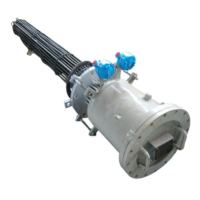
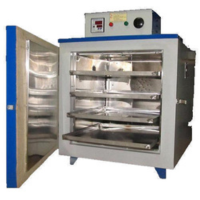
These are usually chosen when precision matters more than scale. You’ll find them in labs, cosmetics units, and controlled environments where even small changes matter.
Steam Heating Systems
Old but still widely used. Many food and chemical plants rely on steam because it distributes heat evenly across large areas.
Gas Heating Systems
These are more about power. When production is large-scale and speed is important, gas systems handle the load better than most alternatives.
Thermal Oil Heating Systems
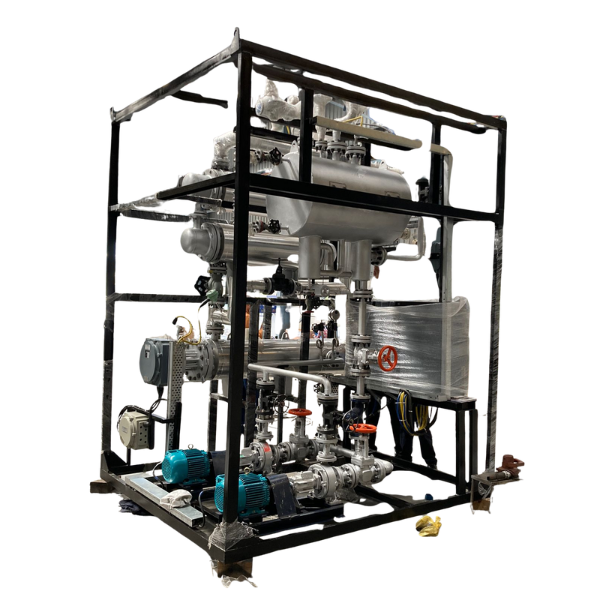
This is where things become more stable. Instead of direct heat, oil carries energy, allowing long-duration consistency. Continuous production lines prefer this approach.
Induction Heating Systems
Fast and efficient, especially in metal-based industries. Heat is generated directly inside the material, which reduces energy loss.
Quick Comparison (How Industries Actually Think)
| System Type | Real-World Behavior | Common Use |
|---|---|---|
| Electric | Precise but limited scale | Cosmetics, labs |
| Steam | Stable but slower control | Food & pharma |
| Gas | High output, less fine control | Heavy industry |
| Thermal Oil | Extremely stable over time | Continuous plants |
| Induction | Fast, direct heating | Metal processing |
When Companies Decide to Upgrade Induction Heating Systems
This usually doesn’t happen during planning. It happens later.
Most upgrades are triggered when:
- Production demand increases
- consistency becomes a problem
- Energy usage feels inefficient
- Product quality starts fluctuating
In many factories, heating system upgrades are a response to pain, not a planned improvement.
A Real Manufacturing Situation (Practical Insight)
A small herbal product manufacturer was facing uneven batches. Nothing was visibly wrong with the machines, but the results kept changing slightly from batch to batch.
After inspection, the issue was traced to unstable heat distribution in the mixing stage.
Once they shifted to a thermal oil-based system, the difference was noticeable:The The
- temperature became steady
- batch variation reduced The
- rejection rate dropped
Nothing changed in formulation. Only heat stability improved—and that alone changed output quality.
Why Engineering Quality Matters (Not Just Equipment)
Induction Heating Systems are not just about buying machinery.
Sensewell Engineering Solutions focuses on building systems based on real production behavior rather than generic specifications.
Design, layout, and process understanding matter more than most people assume. Industrial Heating Systems
That means:
- systems designed for actual process flow
- not just standard catalogue machines
- emphasis on long-term stability instead of short-term performance
In industrial environments, that difference becomes visible over time.
The Government of India, through the Ministry of New and Renewable Energy (MNRE), actively promotes solar thermal technologies as an alternative source for industrial heating applications to improve energy efficiency and reduce fossil fuel dependence
Industrial heating systems are manufacturing systems used to control and maintain heat during production processes. Common types include electric, steam, gas, thermal oil, and induction systems. Each system is selected based on production scale, temperature stability, and process requirements.
FAQs
What is an industrial heating system used for?
It is used to maintain controlled heat during manufacturing processes to ensure consistent product quality.
Which industrial heating system is most efficient?
Thermal oil and induction systems are generally more stable and efficient for continuous operations.
Where are these systems commonly used?
They are used in cosmetics, pharmaceuticals, food processing, chemicals, and heavy manufacturing industries.
Is electric heating better than gas heating?
Electric systems offer precision, while gas systems are better for large-scale production.
Conclusion
Industrial heating systems are not just support equipment—they quietly influence almost every production outcome.
Factories rarely notice them when everything is working fine. But when they are not optimized, problems slowly appear in quality, cost, and efficiency.
Choosing the right system is less about technology and more about understanding how your production behaves over time.
For engineered industrial solutions, you can explore:
Sensewell Engineering Solutions