






Description
How the magnetic float level switch works
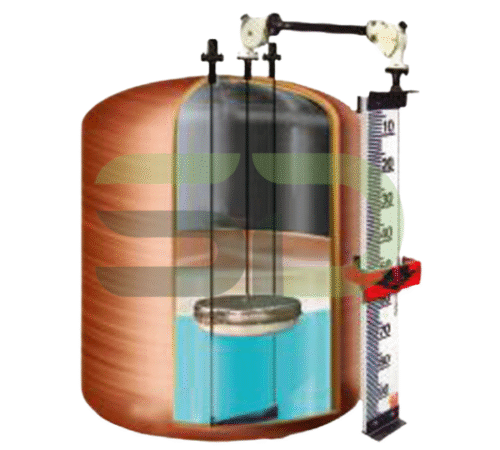
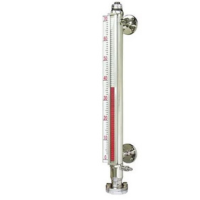
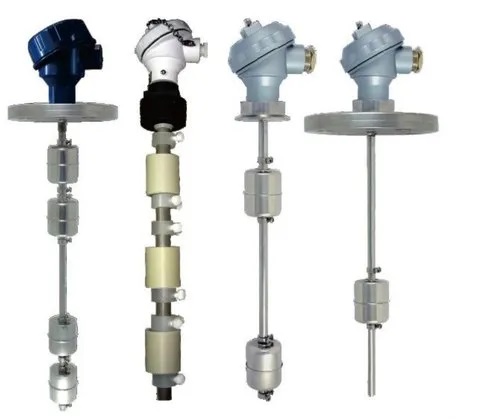
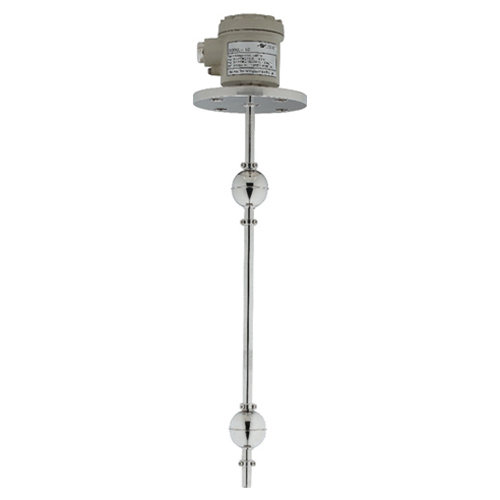
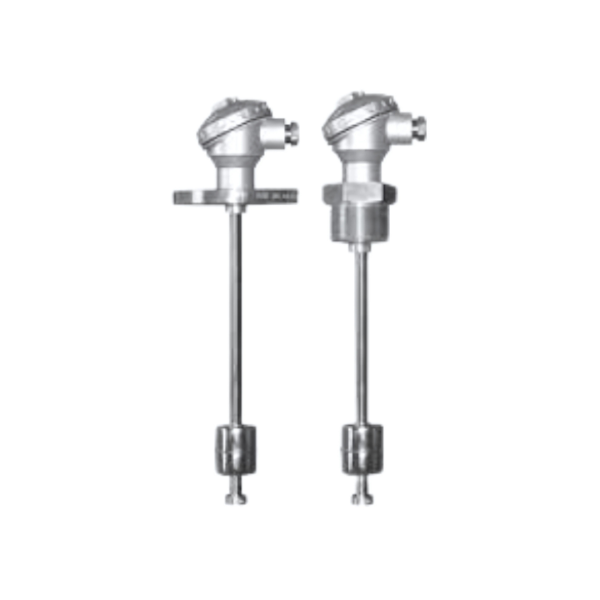
This type of level switch uses the principles of buoyancy and magnetism to detect the presence or absence of a liquid contained within some type of a vessel, which could be a tank, bin, trough, standpipe, etc.. The magnetic float level switch name is very descriptive. This level switch consists of a float with an internal magnetic element that will be buoyant and ride up or down on its stem as the fluid in the vessel which the level switch is installed in goes up and down. The float is made specifically to work with fluid specific gravity (density) of some minimum value, which is determined by the float size (volume) and weight. The stem or tube is hollow and contains a reed switch element placed at a user defined position in the stem as it relates to a specified distance from either the process connection of the level switch or the bottom of the stem. The travel of the magnetic float is contained above and below the float by retaining clips. The reed switch responds to the presence of the magnet within the float as it passes by the reed switch located inside the stem, traveling up or down with the liquid level. Information regarding the Aplus Finetek magnetic float level switch, the FG Series, can be found within our website.