

Description
How Does a Tube Furnace Work?
Key Components
1. Tube: The core component, typically made of quartz, alumina, or other high-
temperature-resistant materials, where samples are placed for processing.
2. Heating Elements: Electric resistance heaters (e.g., Kanthal, molybdenum disilicide, or
silicon carbide) surround the tube to provide uniform heating.
3. Insulation: High-quality refractory materials or ceramic fiber insulation minimize heat
loss and improve energy efficiency.
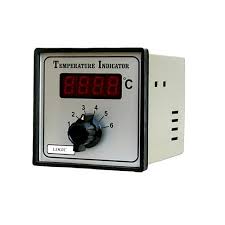
4. Temperature Control System: Thermocouples and advanced controllers ensure precise
temperature regulation and programmable heating profiles.
5. Atmosphere Control: Gas inlets and outlets allow for the introduction of inert (e.g.,
nitrogen, argon) or reactive gases, or the creation of a vacuum environment.
6. Furnace Body: A robust outer shell houses the tube, heating elements, and insulation,
often with cooling systems to protect external components.
Working Principle
Sample Loading: The material or sample is placed inside the tube, either directly or in a
crucible/boat, often positioned in the central "hot zone" for uniform heating.
Heating: The heating elements raise the tube’s temperature to the desired level, with
controllers maintaining accuracy within ±1°C in advanced models.
Atmosphere Management: Inert or reactive gases are introduced, or a vacuum is
created, to achieve the desired processing conditions.
Processing: The sample is heated according to a specific temperature profile, which may
include ramping, soaking, or cooling stages.
Cooling and Unloading: After processing, the furnace is cooled (naturally or with forced
cooling), and the sample is removed for analysis or further use.