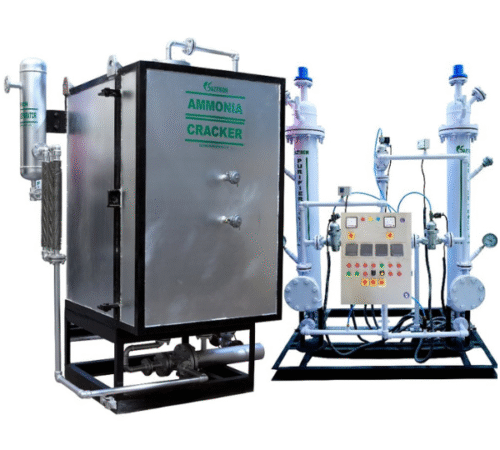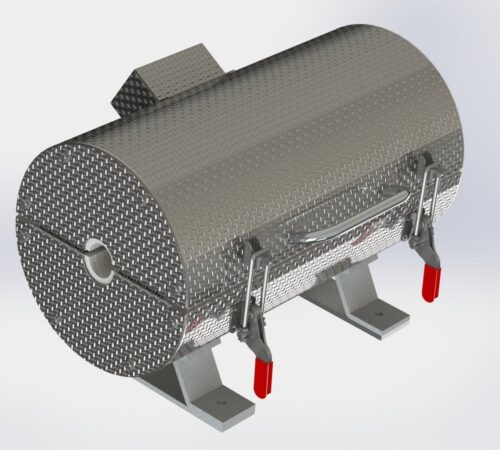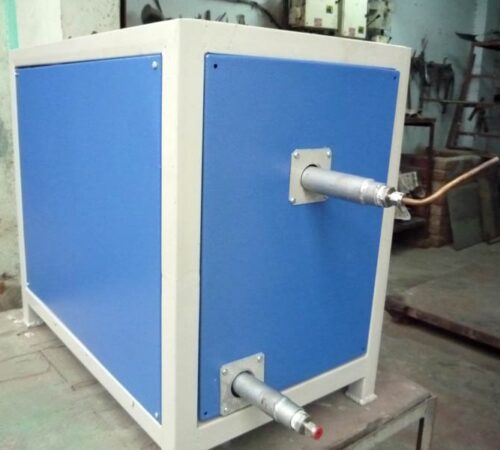
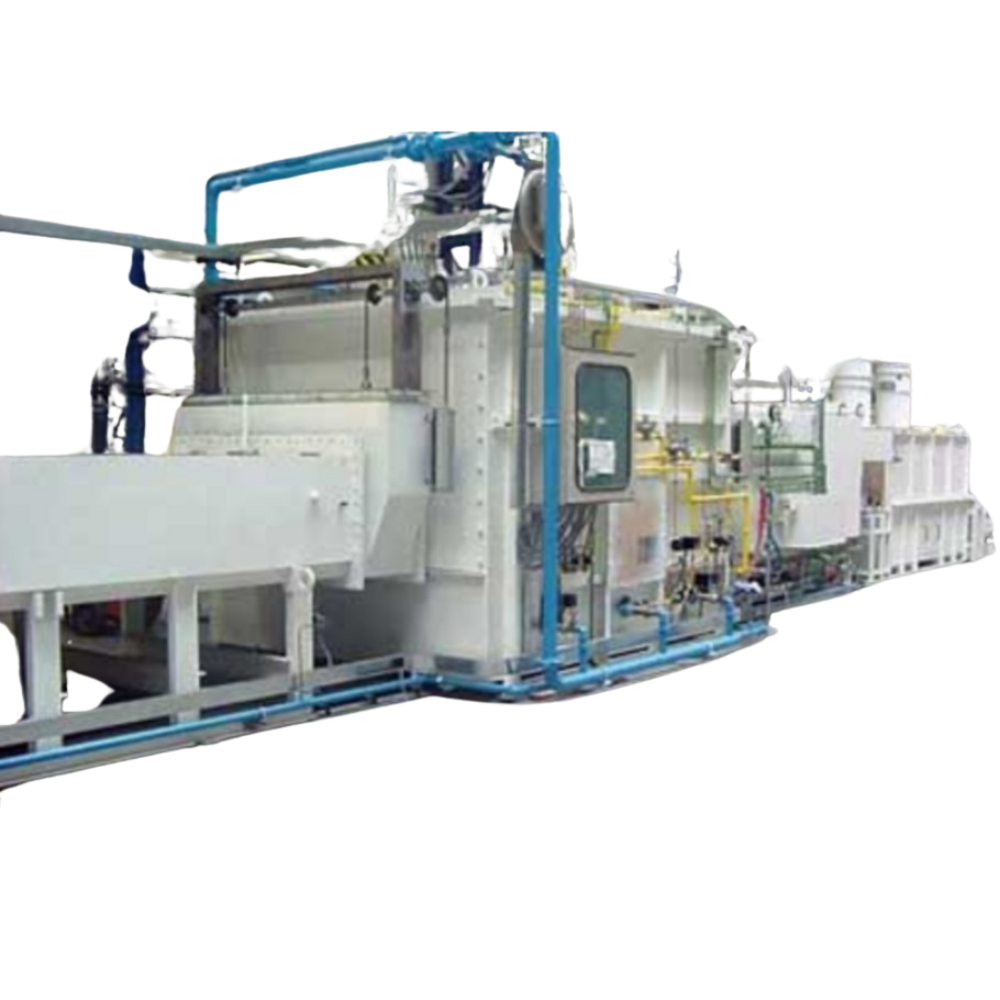



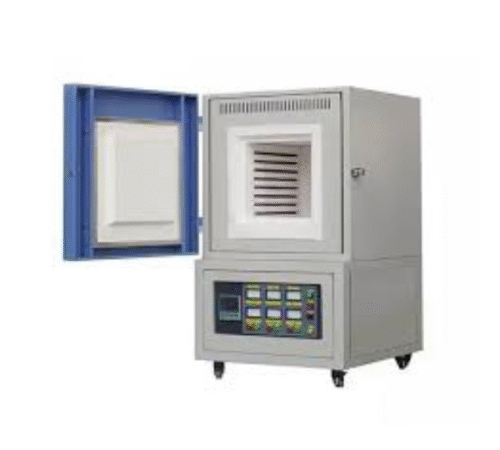
Heat Treatment Furnace Temperature upto 1000°C

Heat Treatment Furnace Temperature upto 1000°C

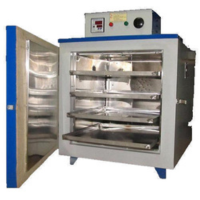
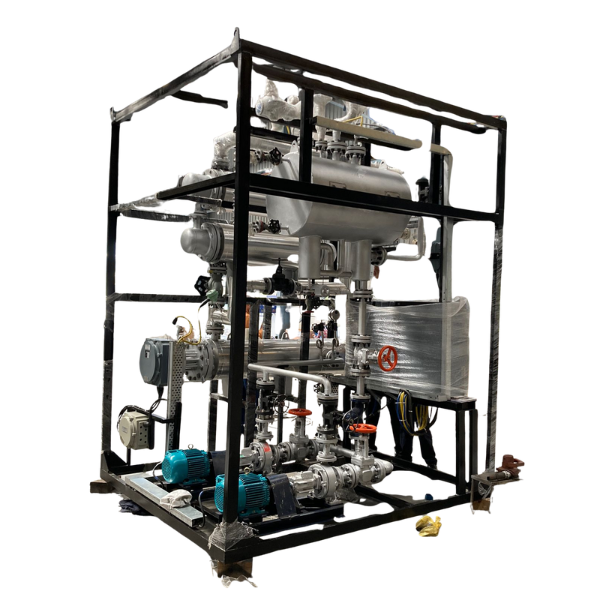
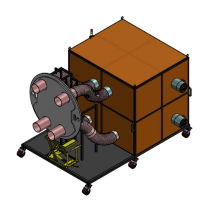
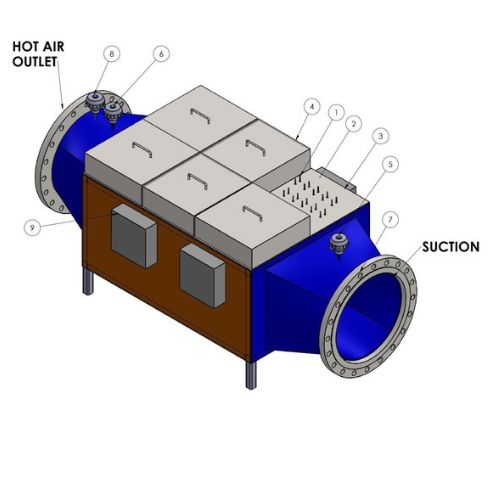
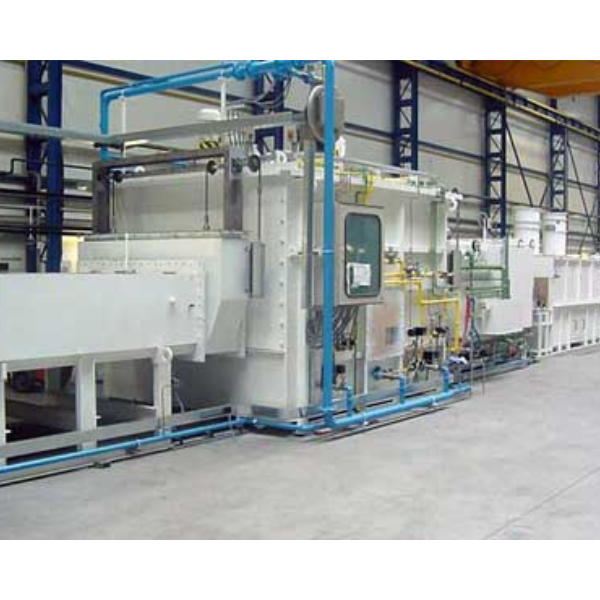
A heat treatment furnace is an industrial system designed to heat materials, typically metals or alloys, to precise temperatures and then cool them under controlled conditions to alter their physical and mechanical properties. Common heat treatment processes include annealing, hardening, tempering, normalizing, and carburizing, each tailored to achieve specific outcomes like improved hardness, ductility, or corrosion resistance. These furnaces are engineered to maintain uniform temperatures, control heating and cooling rates, and manage the furnace atmosphere to prevent oxidation or introduce specific chemical changes to the material surface.

Category:

Description

How Does a Heat Treatment Furnace Work?

Key Components
1. Furnace Chamber: The insulated enclosure where heating occurs, lined with refractory
materials to withstand high temperatures.
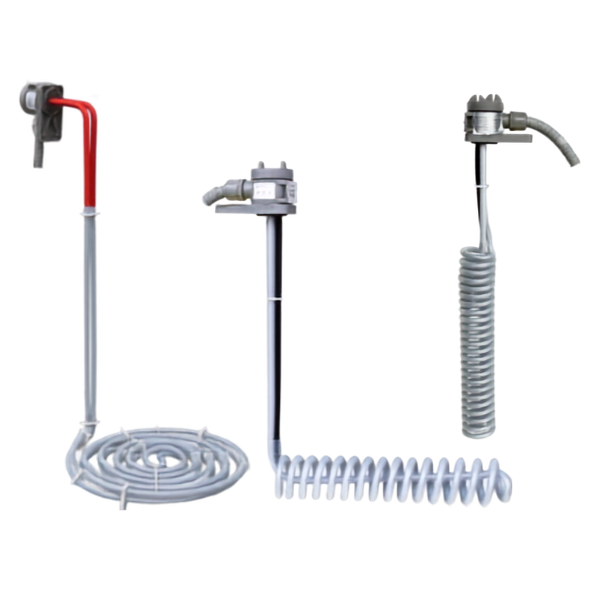
2. Heating System: Electric resistance heaters, gas burners, or induction coils provide the
necessary heat, often reaching 300–1400°C depending on the process.
3. Atmosphere Control System: Introduces gases (e.g., nitrogen, argon, or carburizing
mixtures) to control oxidation or facilitate surface treatments.
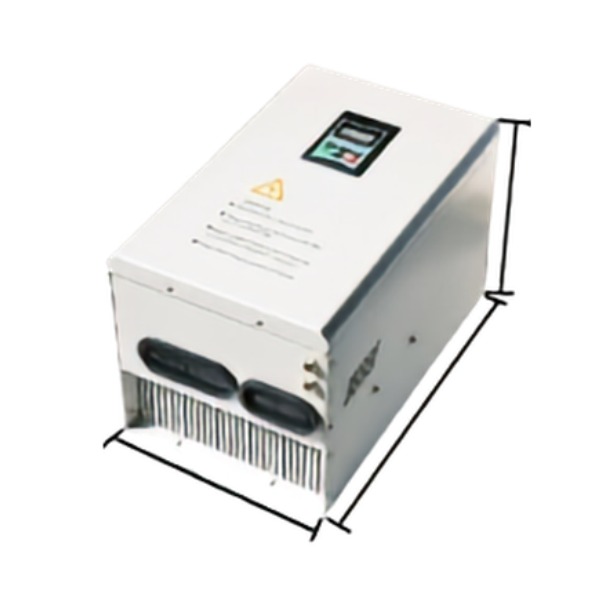
4. Temperature Control: Sensors and controllers ensure precise temperature regulation for
consistent results.
5. Cooling System: Manages controlled cooling or quenching in air, oil, water, or
specialized media.

Working Principle
 Loading: Workpieces are placed in the furnace, either manually or via automated
systems.
 Heating: The furnace heats the material to a specific temperature, often following a
precise heating profile.
 Soaking: The material is held at the target temperature to allow uniform heat penetration
and microstructural changes.
 Cooling: Controlled cooling or quenching alters the material’s properties, such as
hardness or toughness.
 Unloading: Treated parts are removed for inspection or further processing.
Applications of Heat Treatment Furnaces

Heat treatment furnaces are integral to numerous industries:
1. Automotive: Hardening and tempering gears, shafts, and engine components for
durability and wear resistance.
2. Aerospace: Treating turbine blades, landing gear, and other critical parts for high
strength and fatigue resistance.
3. Metallurgy: Annealing and normalizing steel and aluminum to improve machinability
and reduce stresses.
4. Tool and Die Manufacturing: Enhancing the hardness and toughness of cutting tools
and molds.
5. Energy Sector: Treating components for wind turbines, nuclear reactors, and oil rigs to
withstand harsh conditions.

Advantages of Heat Treatment Furnaces

Precision: Advanced control systems ensure accurate temperature and atmosphere
management.
 Versatility: Suitable for a wide range of materials, including steel, aluminum, titanium,
and composites.
 Customization: Various furnace types cater to specific processes, workpiece sizes, and
production scales.
 Improved Material Properties: Enhances strength, hardness, ductility, and corrosion
resistance, extending component lifespan.
 Scalability: From small batch furnaces to large continuous systems, they meet diverse
industrial needs.

Cart (0 items)

Product Enquiry