

Description
How Does a PIT Furnace Work?
Key Components
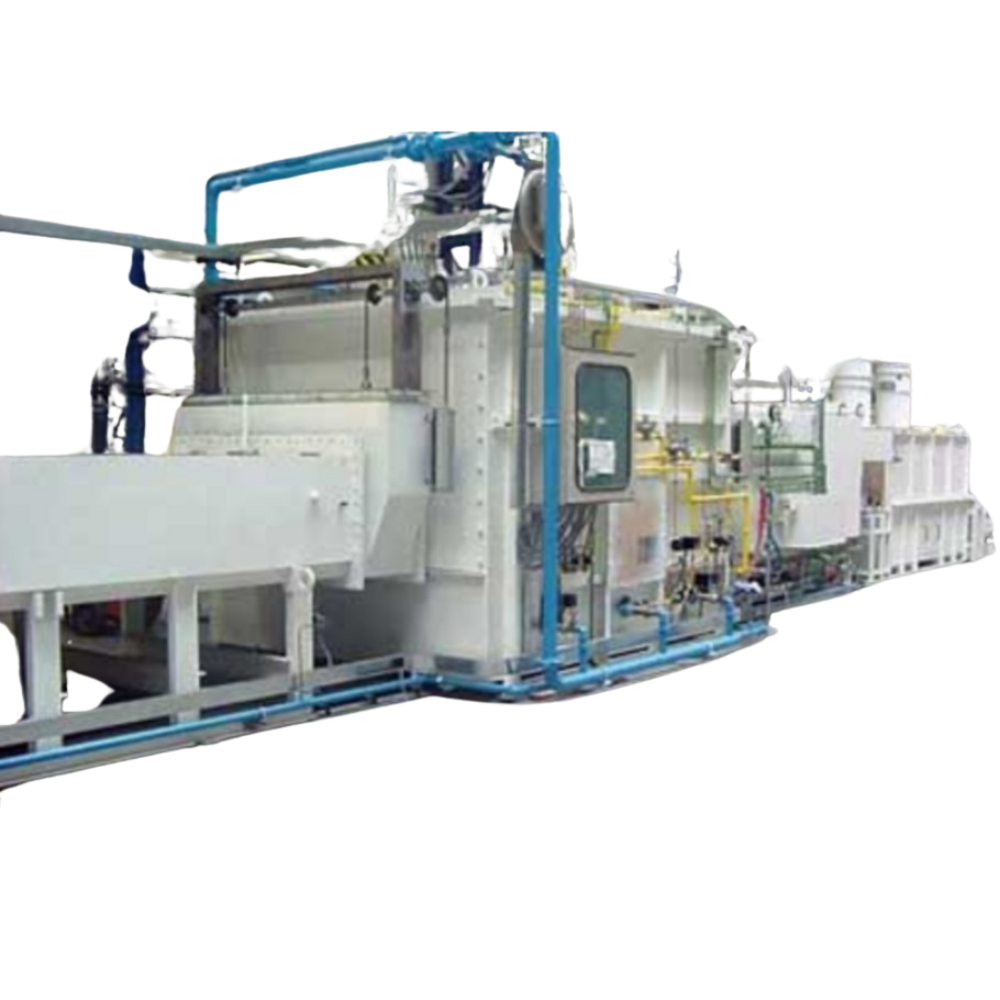
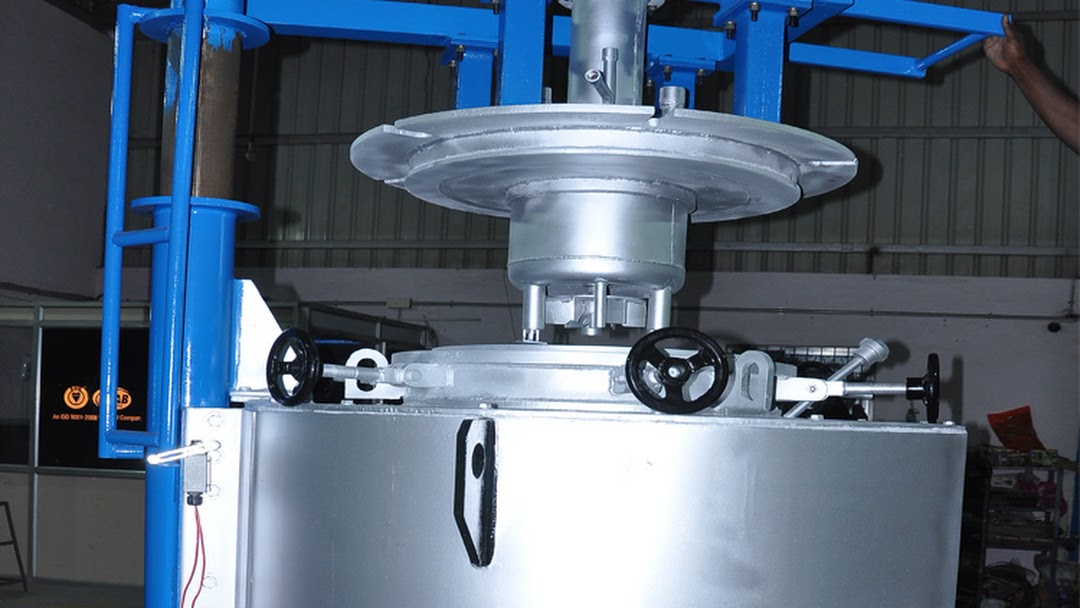
1. Furnace Chamber: A cylindrical, insulated chamber that houses the workpiece and withstands high temperatures.
2. Heating System: Electric resistance heaters or gas burners provide the necessary heat, often reaching temperatures up to 1200°C or higher, depending on the process.
3. Atmosphere Control: Systems to introduce gases like nitrogen, argon, or carburizing mixtures to control the furnace atmosphere and achieve desired material properties.
4. Lifting Mechanism: A crane or hoist system to load and unload heavy workpieces into the vertical chamber.
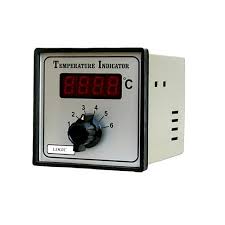
5. Temperature Control: Advanced sensors and control systems ensure precise temperature regulation for consistent heat treatment results.
Working Principle
Loading: The workpiece is lowered into the furnace chamber using a hoist or crane.
Heating: The furnace is heated to the desired temperature, with the heating elements uniformly distributing heat around the workpiece.
Atmosphere Management: Controlled gases are introduced to prevent oxidation or to facilitate processes like carburizing or nitriding.
Processing: The workpiece is held at the target temperature for a specific duration, depending on the heat treatment process.
Cooling: After treatment, the workpiece is cooled either inside the furnace (in a controlled atmosphere) or removed for quenching in oil, water, or air.
Unloading: The treated workpiece is lifted out of the furnace for further processing or inspection.