


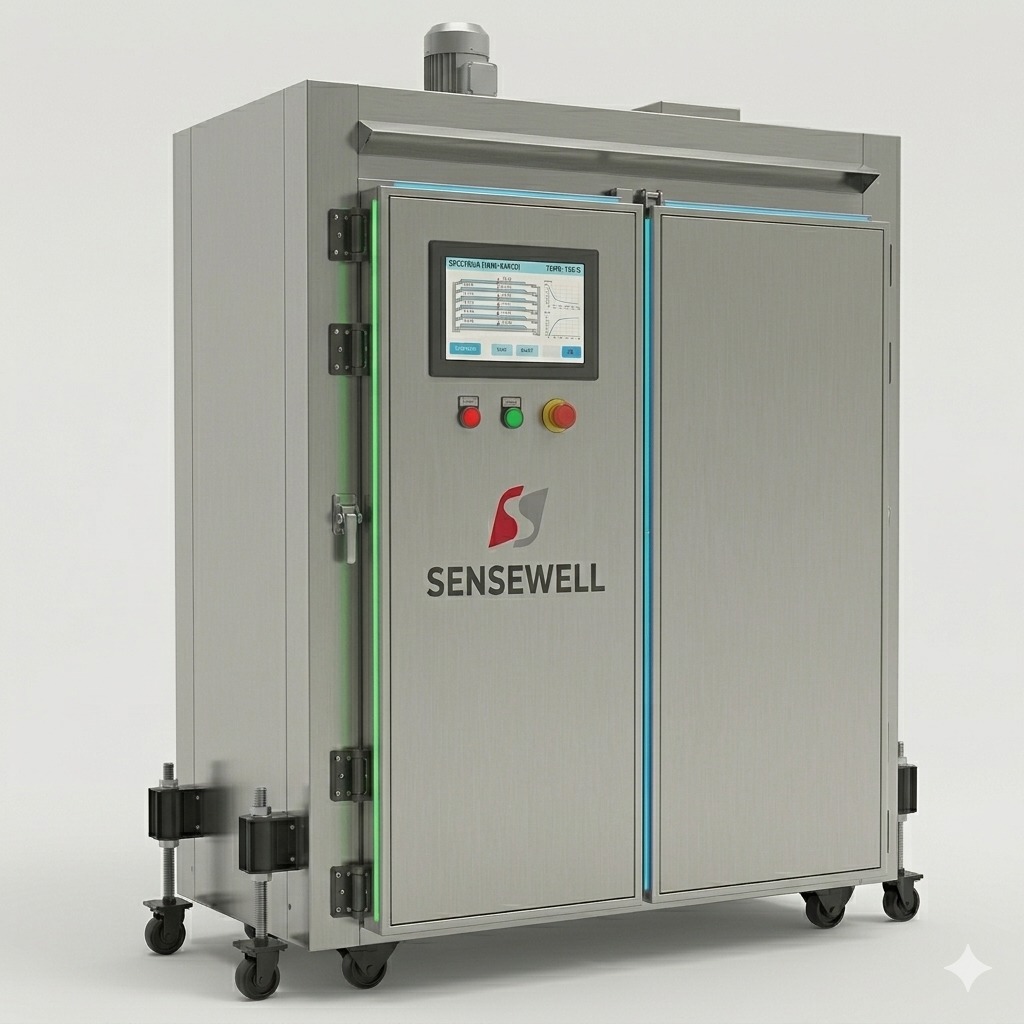
Description
How Does an FLP Drive Control Panel Work?
Key Components
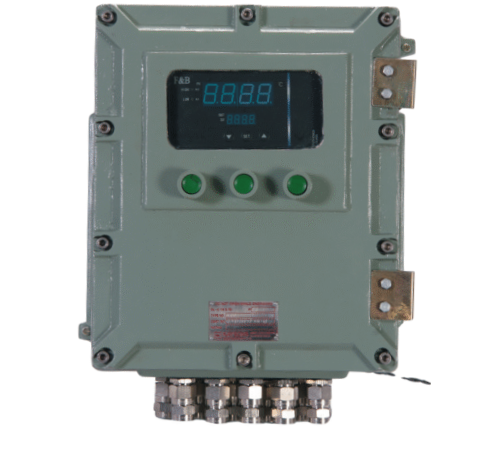
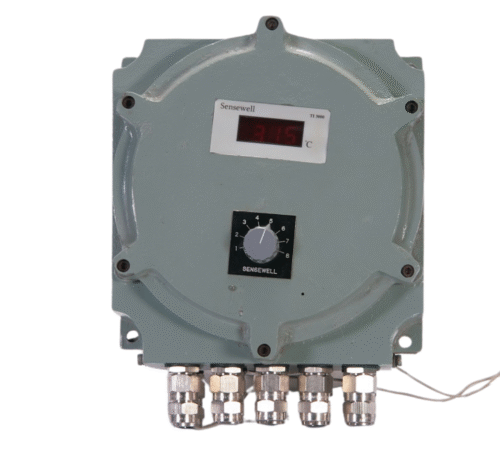
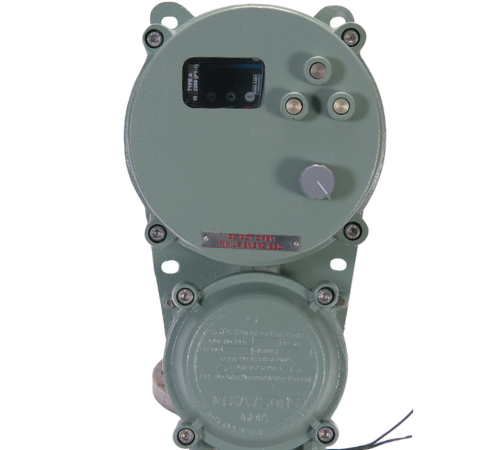
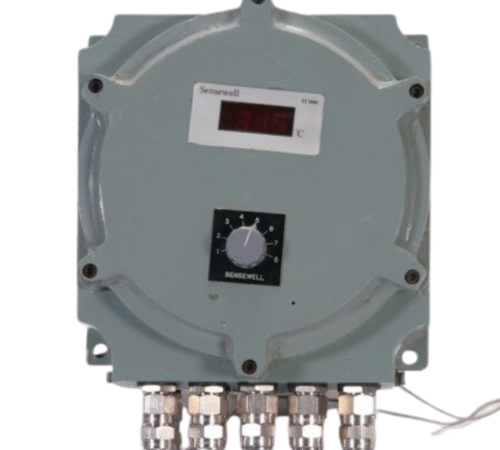
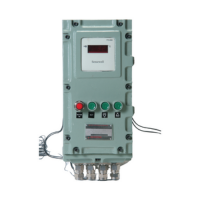
1. Flameproof Enclosure: Constructed from robust materials like aluminum LM-6 or
stainless steel, certified for hazardous areas with ingress protection ratings like IP65 or
IP66.
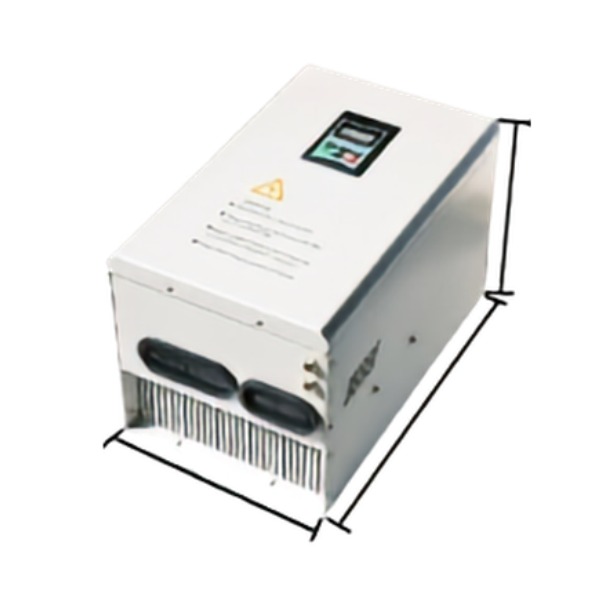
2. Variable Frequency Drive (VFD): Controls motor speed and torque by adjusting the
frequency and voltage of the power supply, optimizing performance and energy
efficiency.
3. Control Devices: Includes push buttons, switches, or HMI (Human-Machine Interface)
touchscreens for operator control, often mounted on the enclosure or in a safe area.
4. Protection Devices: Circuit breakers, overload relays, and fuses protect the system from
electrical faults.
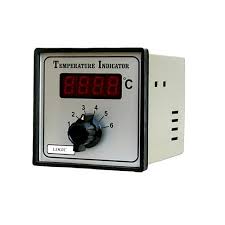
5. Instrumentation: Sensors and meters monitor parameters like current, voltage, or
temperature, with displays for real-time data.
6. Communication Interfaces: RS485 Modbus, Profibus, or Ethernet for integration with
SCADA, PLC, or DCS systems.
7. Cooling System: Fans or heat exchangers maintain safe operating temperatures within
the enclosure.
8. Power Supply: Typically operates on 230 V AC, 415 V AC, or 24 V DC, designed for
reliability in industrial settings.
Working Principle
ο· Power Input: The panel receives power from the main supply, which is distributed to the
VFD and other components.
ο· Motor Control: The VFD adjusts the motorβs speed and torque based on process
requirements, using inputs from sensors or operator commands.
ο· Monitoring: The panel monitors parameters like motor current, voltage, and temperature,
displaying data on HMI screens or meters.
ο· Safety: The flameproof enclosure contains any potential sparks or heat, ensuring safe
operation in hazardous areas (Zone 1 or Zone 2).
ο· Protection: Circuit breakers and relays protect against overcurrent, short circuits, or
motor faults, preventing damage to equipment.
ο· Communication: Data is transmitted to control systems via communication protocols,
enabling remote monitoring and control.
ο· Operator Interaction: Operators use push buttons, switches, or HMIs to start/stop
motors, adjust settings, or respond to alarms.