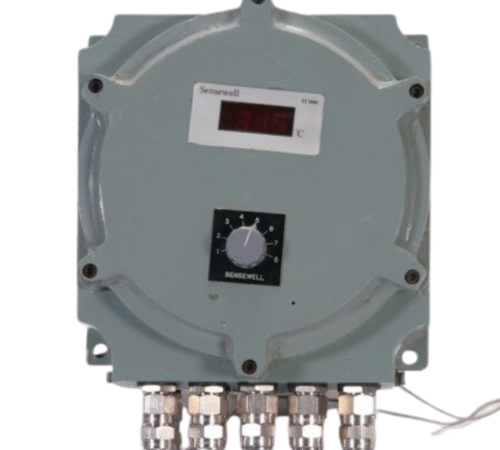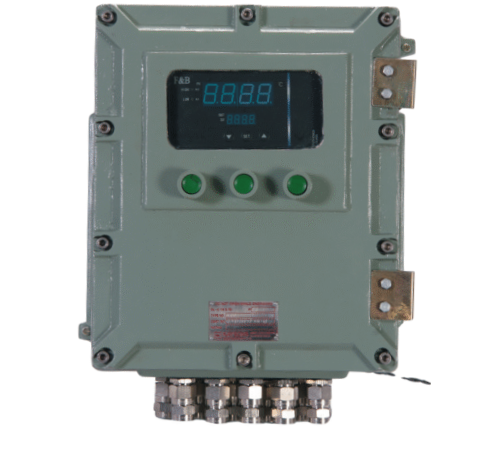





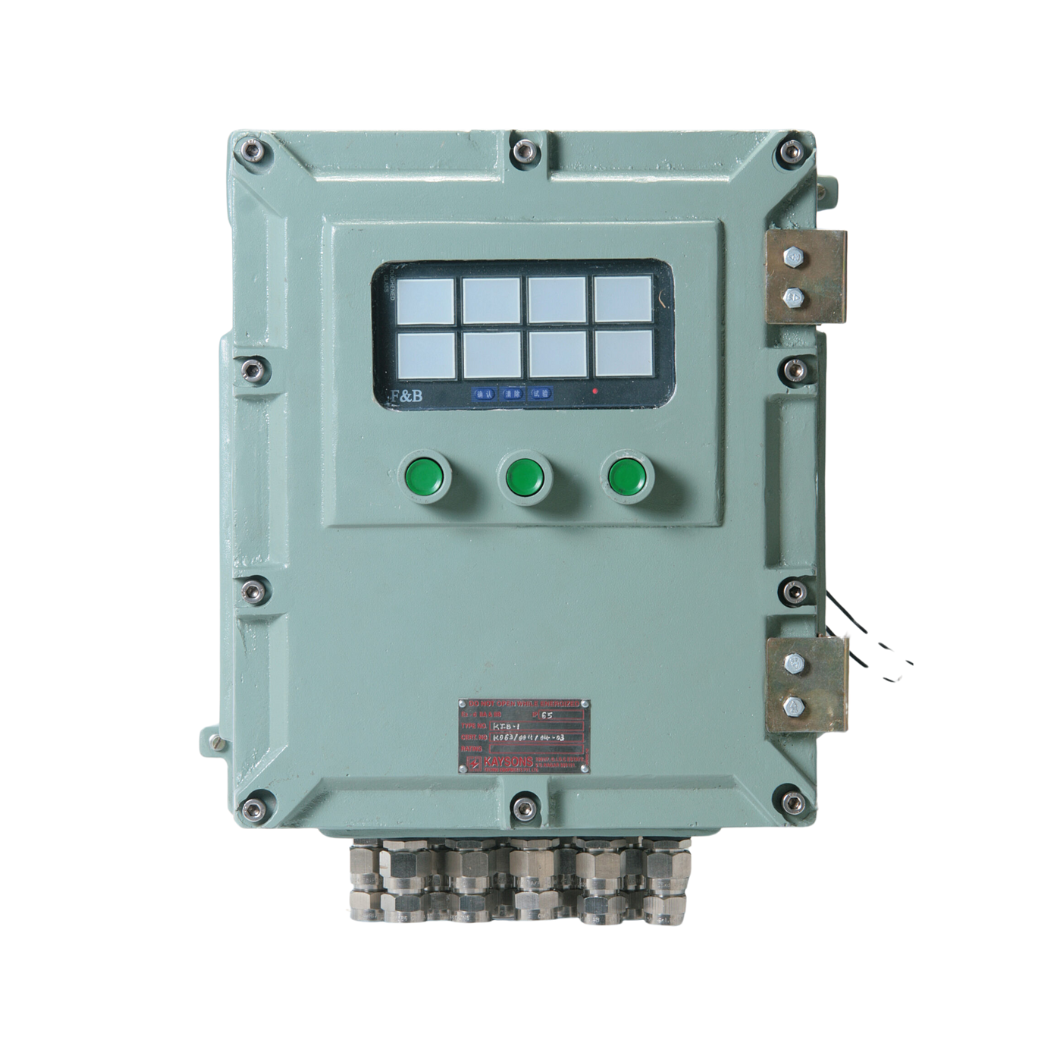
FLP ANNOUNCIATOR

FLP ANNOUNCIATOR

What is an FLP Annunciator?
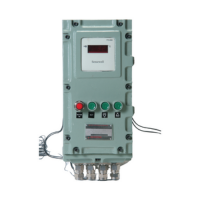
An FLP annunciator is an alarm system housed in a flameproof enclosure, designed to monitor multiple process parameters (e.g., temperature, pressure, or level) and alert operators to abnormal conditions in hazardous areas. Certified for use in explosive atmospheres (e.g., gas groups I, IIA, IIB, or IIC) by standards like CIMFR (India), ATEX (Europe), or IECEx, the flameproof enclosure ensures that internal sparks or heat do not ignite surrounding flammable substances. Equipped with visual (LED/lamps) and audible (buzzers) alarms, FLP annunciators are essential for industries like oil and gas, chemical processing, and power generation.

Description

How Does an FLP Annunciator Work?

Key Components
1. Flameproof Enclosure: Made from materials like aluminum LM-6 or stainless steel,
certified for hazardous areas with ingress protection ratings like IP65 or IP66.
2. Input Channels: Accepts multiple inputs (e.g., 4–48 channels) from sensors, switches, or
control systems to monitor parameters like temperature, pressure, or flow.
3. Display Panel: Features LED indicators, lamps, or LCD screens to show alarm status for
each channel, often with color-coded alerts (e.g., red for critical, amber for warning).
4. Audible Alarms: Built-in buzzers or hooters provide loud alerts (e.g., 80–100 dB) to
ensure operator attention in noisy environments.
5. Microcontroller: Processes input signals, triggers alarms based on programmed logic,
and supports features like alarm acknowledgment or test modes.
6. Communication Interfaces: Optional RS485 Modbus, RS232, or relay outputs for
integration with SCADA, PLC, or DCS systems.
7. Power Supply: Typically operates on 230 V AC, 110 V AC, or 24 V DC, with low
power consumption for reliability.
Working Principle
ο‚· Input Monitoring: The annunciator receives signals from sensors or control systems
monitoring process parameters (e.g., high temperature, low pressure).
ο‚· Alarm Activation: When a parameter exceeds programmed thresholds, the
microcontroller triggers visual (LED/lamp) and audible (buzzer) alarms for the
corresponding channel.
ο‚· Display: The panel indicates the alarm status, often with channel-specific indicators and
a common alarm output.
ο‚· Operator Response: Operators can acknowledge alarms using push buttons, silencing
the audible alert while the visual indicator remains active until the fault is resolved.

ο‚· Safety: The flameproof enclosure ensures safe operation in hazardous areas (Zone 1 or
Zone 2), preventing ignition of flammable gases or dust.
ο‚· Data Integration: Optional communication interfaces allow alarm data to be logged or
transmitted to control systems for further analysis.
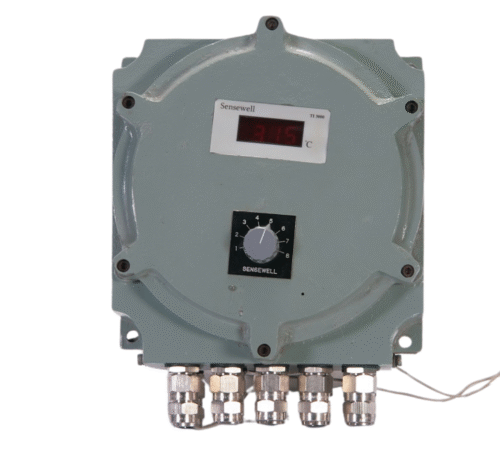

Applications of FLP Annunciators

FLP annunciators are widely used in industries requiring reliable alarm systems in explosive
atmospheres:
1. Oil and Gas: Alerting operators to abnormal conditions in refineries, pipelines, or
offshore platforms, such as high temperatures or gas leaks.
2. Chemical Processing: Monitoring reactors, distillation columns, or storage tanks for
pressure, temperature, or level deviations.
3. Pharmaceuticals: Ensuring safety in drug manufacturing facilities by detecting faults in
reactors or sterile environments.
4. Petrochemicals: Providing alerts for process anomalies in cracking units, fuel storage, or
solvent handling areas.
5. Power Generation: Detecting faults in boilers, turbines, or transformers in plants with
combustible gases or dust.
6. Mining: Monitoring equipment and environmental conditions in underground mines with
explosive atmospheres.

Advantages of FLP Annunciators

ο‚· Safety Compliance: Flameproof enclosures meet stringent standards (e.g., IS/IEC 60079,
ATEX) for safe operation in hazardous areas.
ο‚· Multi-Channel Monitoring: Supports multiple channels (4–48 or more), enabling
comprehensive monitoring of complex systems.
ο‚· High Visibility and Audibility: Bright LED/lamp displays and loud buzzers ensure
alerts are noticeable in noisy or low-light environments.
ο‚· Customizable Logic: Programmable alarm sequences (e.g., first-out, follow, or manual
reset) meet specific process needs.
ο‚· Reliability: Robust design with IP65/IP66 ratings withstands harsh conditions like dust,
moisture, or corrosive environments.
ο‚· Integration: Optional Modbus, RS232, or relay outputs enable seamless connection to
SCADA, PLC, or DCS systems for real-time monitoring.

Cart (0 items)

Product Enquiry