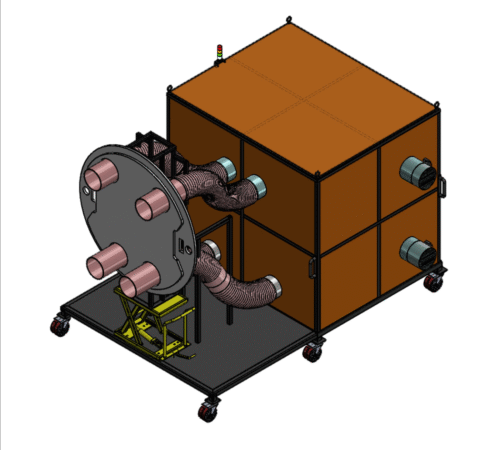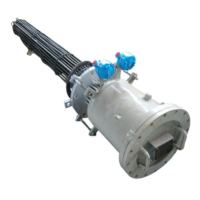
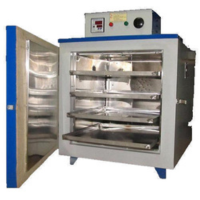
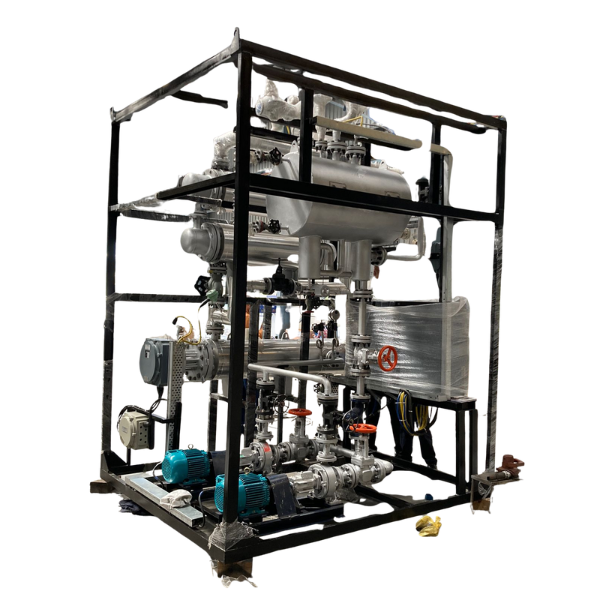


Portable hot air blower

What is a Portable Electrical Hot Air Blower?

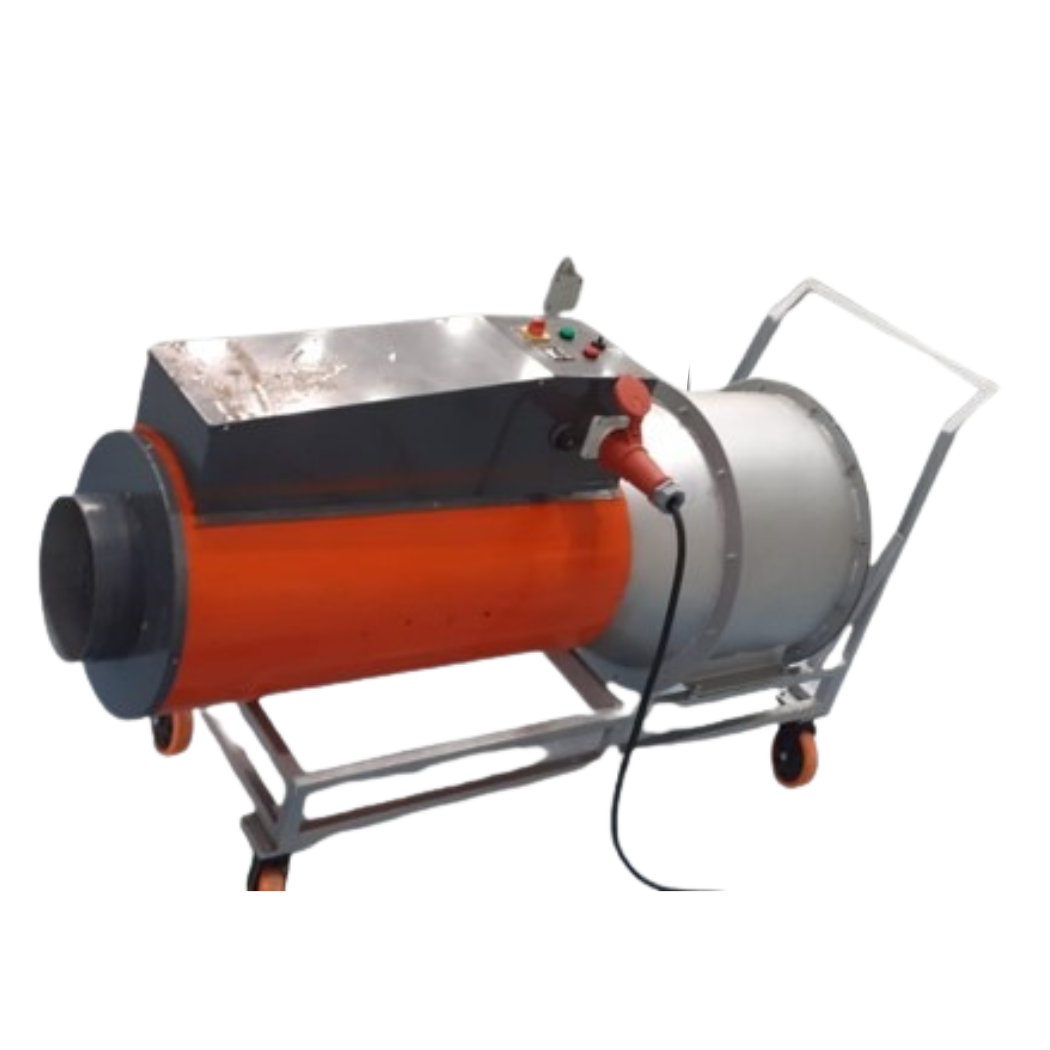
A portable electrical hot air blower is a compact device that generates hot air using electric
heating elements and a blower or fan to circulate the heated air. These units are designed for
mobility, typically featuring lightweight construction, ergonomic handles, and plug-and-play
functionality. They deliver precise, contaminant-free heat, making them suitable for tasks
requiring controlled temperatures without the emissions associated with gas or diesel burners.


Category:

Description

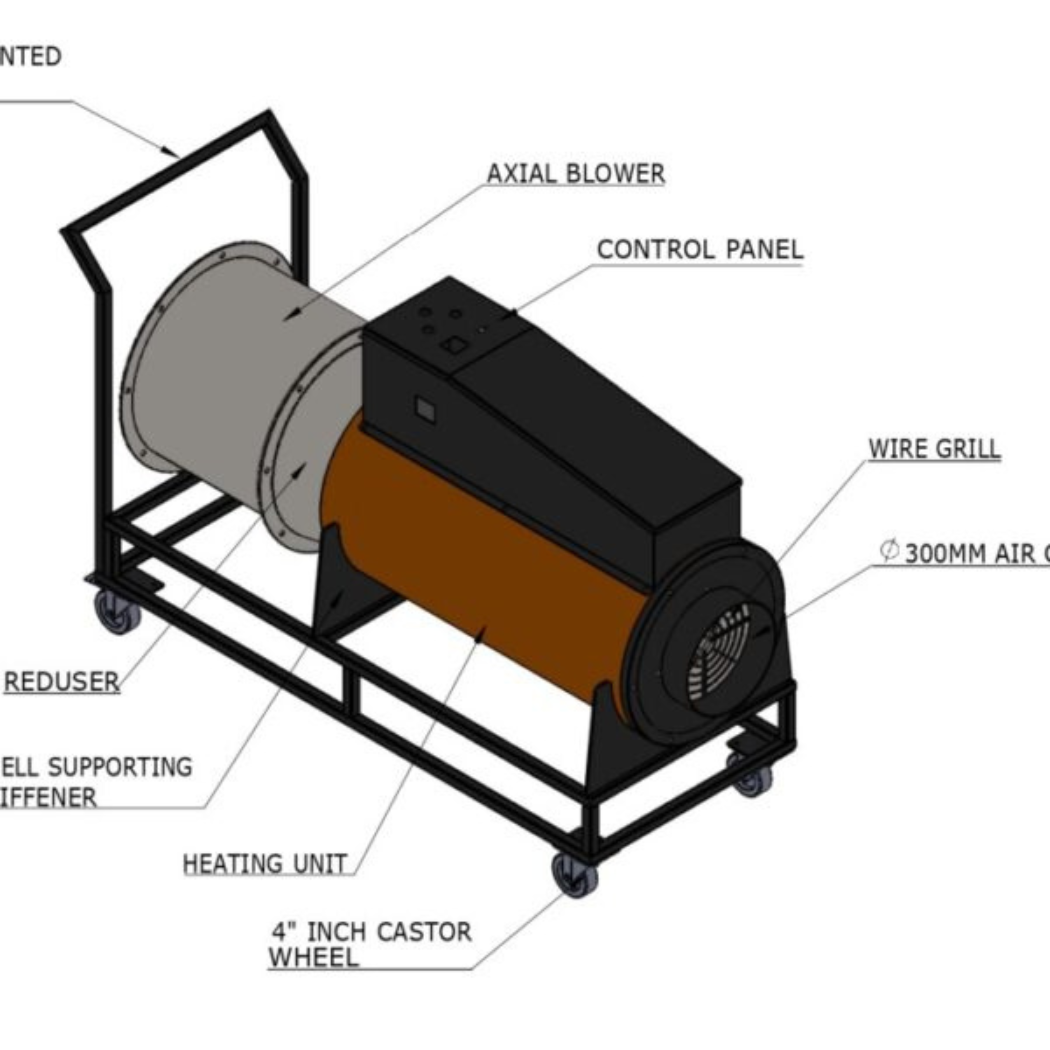
Key Components of a Portable Electrical Hot Air Blower

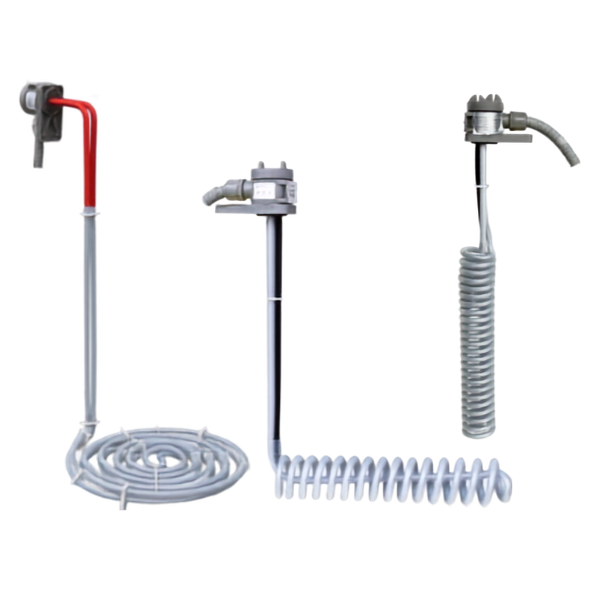
ο‚· Electric Heating Elements: Typically made of ceramic or metal coils, these convert
electrical energy into heat, capable of reaching temperatures from 50Β°C to 650Β°C,
depending on the model.
ο‚· Blower/Fan: A high-efficiency fan, often a centrifugal or axial type, circulates hot air
evenly. Some advanced models use Roots-type blowers for consistent, pulsation-free
airflow.
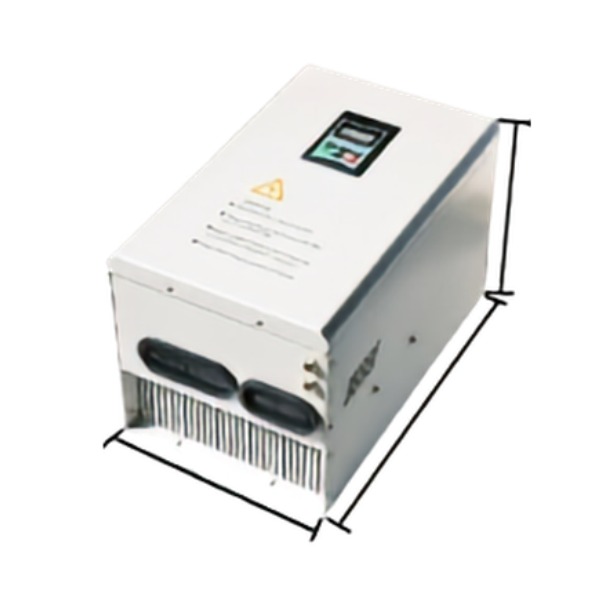
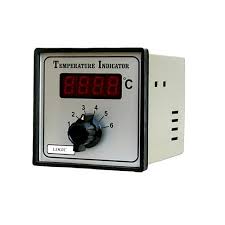
ο‚· Control System: Includes adjustable thermostats, digital displays, or smart controls to
regulate temperature and airflow with precision.
ο‚· Housing and Nozzles: Durable, heat-resistant casing and interchangeable nozzles direct
airflow to specific areas, enhancing versatility.
ο‚· Power Supply: Operates on standard electrical outlets (e.g., 110V or 220V), with some
models offering battery-powered options for enhanced portability.

How Portable Electrical Hot Air Blowers Work?

The operation of a portable electrical hot air blower is straightforward:
1. Heating: Electric current passes through the heating elements, generating heat via
resistance.
2. Air Circulation: The blower or fan draws in ambient air, passes it over the heated
elements, and expels it as hot air through a nozzle or duct.
3. Control: Users adjust temperature and airflow settings to suit the application, with some
models offering programmable timers or remote control for precision.
The absence of combustion ensures clean operation, making these blowers ideal for indoor use
and sensitive environments.

Benefits of Portable Electrical Hot Air Blowers

Portable electrical hot air blowers offer numerous advantages over traditional heating solutions:

1. Portability: Lightweight and compact, these blowers are easy to carry and use in tight
spaces or remote locations, with some models weighing as little as 1–2 kg.
2. Clean and Eco-Friendly: No fuel combustion means zero emissions, making them
suitable for indoor applications and aligning with sustainability goals.
3. Precision Heating: Advanced controls allow for accurate temperature settings, ideal for
tasks requiring specific heat levels, such as curing composites or shrinking wraps.
4. Energy Efficiency: Modern units use efficient heating elements and fans, reducing
energy consumption by up to 25% compared to fuel-based alternatives.
5. Versatility: Interchangeable nozzles and adjustable settings make these blowers
adaptable to diverse tasks, from industrial processes to home repairs.
6. Low Maintenance: With fewer moving parts and no fuel systems, these devices require
minimal upkeep, saving time and costs.
7. Safety: Electric operation eliminates fire risks associated with open flames, and built-in
safety features like overheat protection enhance user safety.

Applications of Portable Electrical Hot Air Blowers

The versatility of portable electrical hot air blowers makes them valuable across various sectors:
ο‚· Industrial Manufacturing: Curing adhesives, drying coatings, or preheating materials in
industries like automotive, aerospace, and electronics.
ο‚· Wind Turbine Blade Production: Localized heating for curing composite materials in
wind blade root manufacturing or repairs, ensuring structural integrity.
ο‚· Construction and Renovation: Removing paint, thawing frozen pipes, or drying wet
surfaces like concrete or plaster.
ο‚· Packaging: Shrink-wrapping products or sealing plastic films with precise heat
application.
ο‚· DIY and Home Use: Stripping paint, loosening rusted bolts, or shaping plastics for
crafting and repairs.
ο‚· Agriculture: Drying crops or heating small greenhouses, with clean operation ensuring
no contamination.
ο‚· Automotive: Softening adhesives for tinting, removing decals, or drying paint in auto
body shops.

Cart (0 items)

Product Enquiry