

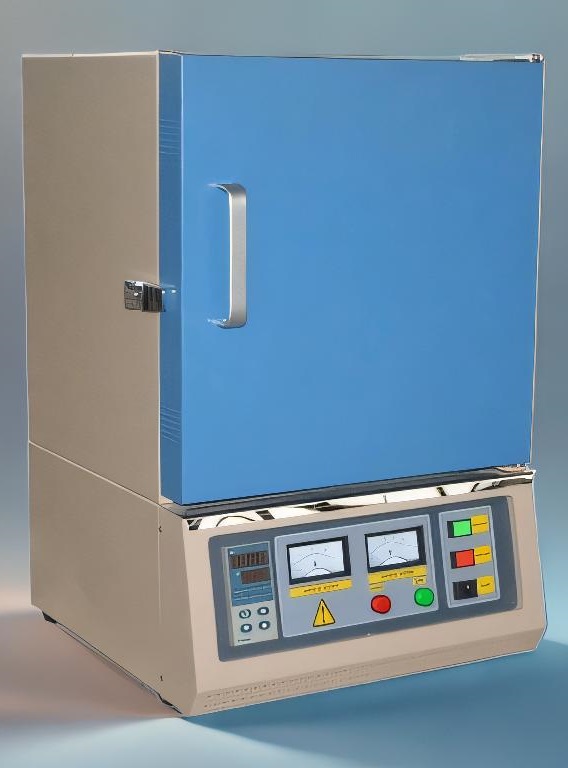
MUFFLE FURNACE (1700°C)

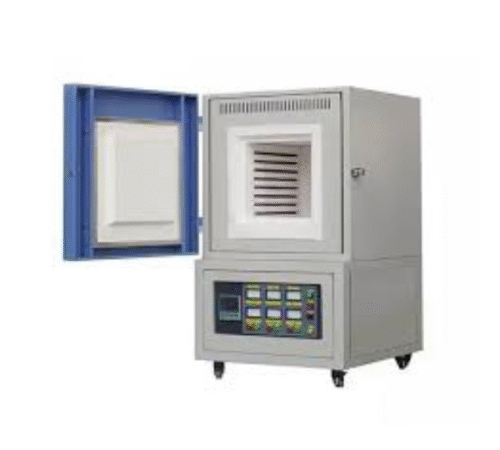
A muffle furnace is a type of oven designed to heat materials to extremely high temperatures,
often exceeding 1000°C, in a controlled atmosphere. The term "muffle" refers to the insulated
chamber (or muffle) that separates the heating elements from the material being processed. This
design prevents contamination from combustion byproducts, such as gases or soot, making it
ideal for applications requiring precision and purity.
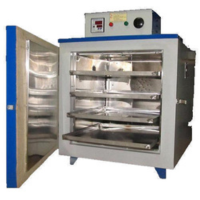
The furnace typically consists of a ceramic or refractory chamber surrounded by heating
elements, often encased in a metal housing. Modern muffle furnaces are equipped with digital
controllers for precise temperature regulation and programmable settings for consistent results.


Category:

Description

Key Applications of Muffle Furnaces
Muffle furnaces are widely used across industries due to their ability to provide uniform heating
and a contaminant-free environment. Some common applications include:

1. Material Testing and Analysis
 Muffle furnaces are essential in laboratories for testing the properties of materials under
high temperatures. For example, they are used in ash content analysis, where organic
materials are burned off to determine the inorganic residue.
 They are also employed in loss on ignition (LOI) tests to measure the volatile content of
materials like ceramics, minerals, and soils.

2. Heat Treatment
 Industries use muffle furnaces for heat-treating metals, alloys, and ceramics to alter their
physical or chemical properties. Processes like annealing, sintering, and calcination are
commonly performed in these furnaces to enhance material strength, durability, or
structure.

3. Ceramics and Glass Processing
 In ceramics, muffle furnaces are used to fire clay, porcelain, or other materials to achieve
desired hardness and finish. They are also used in glass manufacturing for melting and
shaping processes

4. Pharmaceutical and Chemical Industries

 Muffle furnaces play a role in synthesizing and testing chemical compounds, as well as in
quality control processes. They are used to incinerate samples, remove impurities, or
prepare materials for further analysis.

5. Research and Development
 In R&D, muffle furnaces are critical for experimenting with new materials, studying
thermal behavior, and developing high-performance compounds for industries like
aerospace, electronics, and energy.
Key Features of Muffle Furnaces

When selecting a muffle furnace, several features make them suitable for specific applications:

1. Temperature Range
 Muffle furnaces can reach temperatures as high as 1800°C or more, depending on the
model. Most laboratory-grade furnaces operate between 1000°C and 1200°C, while
industrial models may achieve higher ranges.

2. Insulation and Chamber Design
 The muffle chamber is typically made of high-quality ceramic or refractory materials to
withstand extreme temperatures and resist thermal shock. Advanced insulation ensures
energy efficiency and maintains consistent internal temperatures.

3. Digital Control Systems
 Modern muffle furnaces come with programmable controllers, allowing users to set
precise temperature profiles, ramp rates, and dwell times. This ensures repeatability and
accuracy in experiments or processes.

4. Safety Features
 Safety mechanisms, such as over-temperature protection, automatic shut-off, and alarms,
are standard in most models to prevent accidents and equipment damage.

5. Compact and Customizable Designs
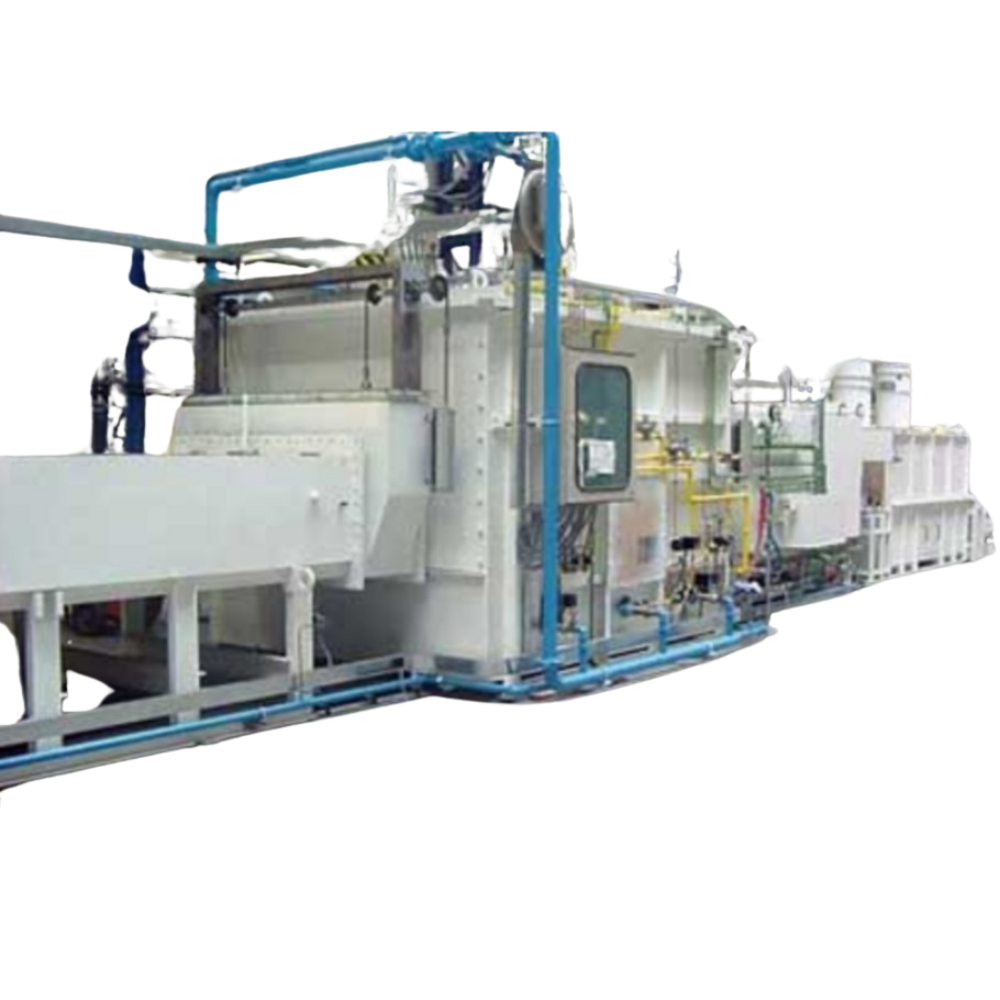
 Muffle furnaces are available in various sizes, from compact benchtop models for small
labs to large-scale industrial units. Customizable chamber sizes and configurations cater
to specific needs.

Advantages of Using a Muffle Furnace

Clean Heating Environment: The muffle design prevents contamination, making it
ideal for sensitive applications like pharmaceutical testing or precious metal processing.
 Uniform Temperature Distribution: The insulated chamber ensures even heat
distribution, reducing the risk of hot spots or uneven processing.
 Versatility: Suitable for a wide range of materials, including metals, ceramics, glass, and
polymers.
 Energy Efficiency: Advanced insulation and precise controls minimize energy
consumption compared to traditional furnaces.

Cart (0 items)

Product Enquiry