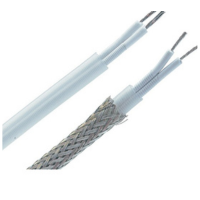
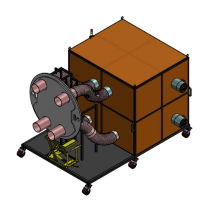
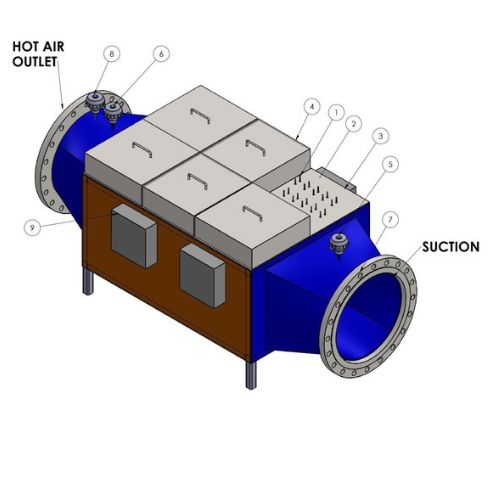


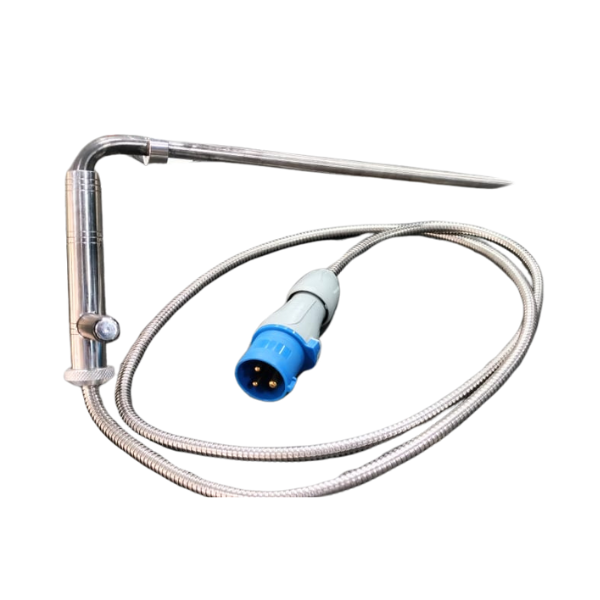
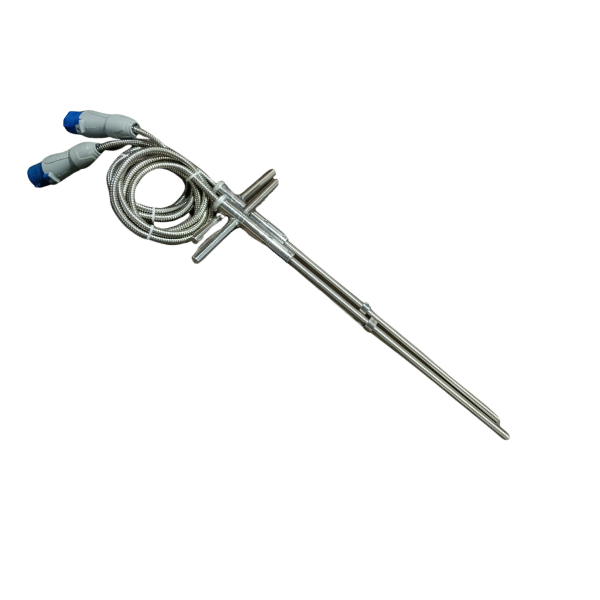
High Density Bolt heater

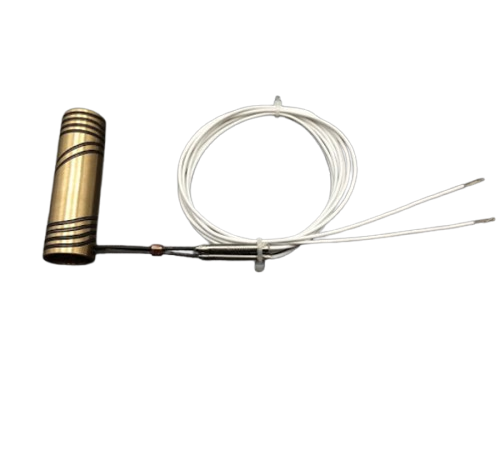
High-density bolt heaters are specialized electric heating elements designed to deliver intense,rapid heat to large, hollow bolts or studs, facilitating thermal expansion for easier tightening or loosening in industrial applications. These heaters are critical in industries like power generation, petrochemical, and heavy machinery, where precise bolt tensioning is essential.This guide explores their design, functionality, applications, and key considerations, drawing on industry insights and technical details.

Description

What Are High-Density Bolt Heaters?

High-density bolt heaters are cartridge-style heaters engineered to provide a high watt
densityβ€”typically 50–100 watts per square inchβ€”compared to standard cartridge or tubular
heaters. This high watt density allows them to heat bolts to full expansion in minutes,
significantly reducing downtime during assembly or maintenance. They are inserted into the
hollow core of bolts or studs, delivering concentrated heat to expand the bolt, which enables
further tightening or easier removal of nuts.
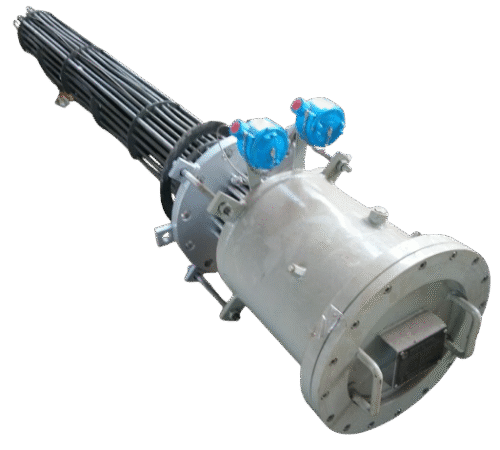
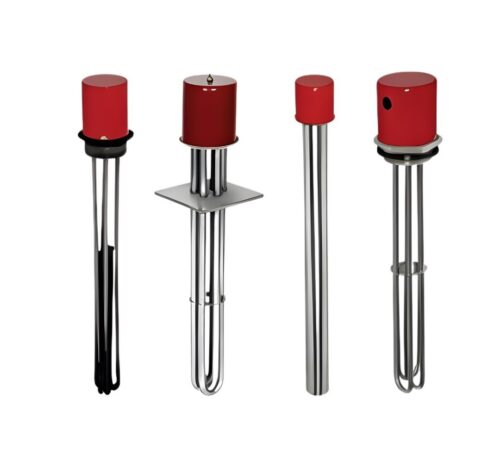
Key Features

● High Watt Density: Delivers 50–100 watts per square inch, up to 65% higher than
standard heaters, ensuring rapid heat-up times (e.g., 5–30 minutes for full expansion).
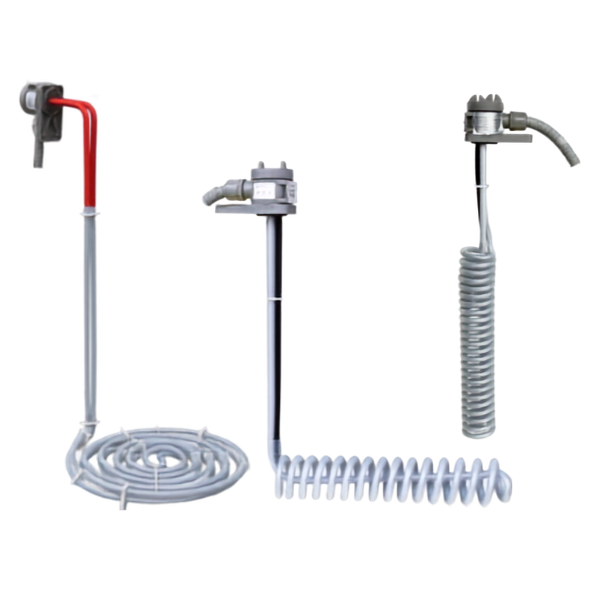
● Flexible or Rigid Design: Available in rigid forms for standard applications or flexible
designs (bendable up to 180Β°) for tight spaces with limited overhead clearance.
● Materials: Typically constructed with a stainless alloy sheath (e.g., Incoloy or stainless
steel) for corrosion resistance and thermal fatigue durability, filled with high-purity
magnesium oxide (MgO) for efficient heat transfer and electrical insulation.
● Customization: Offered in various diameters (e.g., 0.25” to 1.25”) and lengths, with
options for voltage (24V, 110V, 230V), terminal types (leads, screw, pin), and additional
features like temperature sensors or twist-lock plugs.
● Testing and Quality: Each unit is energized at rated voltage and electrically tested at
full heat before shipment to ensure reliability.

How High-Density Bolt Heaters Work

High-density bolt heaters operate by converting electrical energy into heat through a
high-resistance nickel-chromium wire, precisely wound and centered within the heater’s sheath.
The close tolerance between the heater and the bolt’s hollow core (within 1/16” or 0.062”
clearance) ensures maximum heat transfer and prolonged heater life.

The heater is inserted into the bolt’s core, energized to heat the bolt to temperatures sufficient
for thermal expansion (often 300–750Β°C), and then removed, allowing the nut to be tightened
further. As the bolt cools and contracts, it creates a tighter, more secure connection. This
process is critical for achieving bolt stress of approximately 45,000 psi at the thread root,
producing an expansion of about 0.0015 inches per inch of bolt length

Advantages of High-Density Bolt Heaters

1. Speed and Efficiency: Heat bolts to full expansion in 5–30 minutes, reducing labor
hours and downtime compared to traditional methods like gas torches.
2. Safety: Flameless operation eliminates risks associated with open flames, making them
ideal for areas with flammable materials or restricted spark environments.
3. Precision: Deliver uniform heat distribution, minimizing thermal stress and ensuring
consistent bolt expansion.
4. Durability: High-quality materials and rigorous testing ensure long service life, even in
demanding conditions.
5. Versatility: Flexible designs and customizable sizes accommodate various bolt
dimensions and spatial constraints.

Key Considerations for Selection

When choosing a high-density bolt heater, consider the following:

● Bolt Size and Fit: The heater diameter should match the bolt’s hollow core within 1/16”
for optimal heat transfer. Common sizes include 0.25”, 0.375”, 0.5”, 0.688”, 0.938”, and
1.25”.
● Watt Density: Ensure the heater’s watt density (50–100 W/in2) meets the application’s
heating speed requirements.
● Voltage and Power: Verify compatibility with available power sources (e.g., 110V, 230V).
● Environmental Conditions: For corrosive or high-temperature environments, select
heaters with appropriate sheath materials (e.g., Incoloy for high corrosion resistance).
● Customization Needs: Flexible heaters for tight spaces or custom lengths for specific
bolt sizes.
● Safety Certifications: For explosive environments, choose ATEX-certified heaters.

Maintenance and Lifespan Tips

To maximize the lifespan of high-density bolt heaters:
● Proper Fit: Ensure the heater fits snugly within the bolt’s core to prevent overheating
and prolong life.
● Avoid Overheating: Use temperature sensors or controllers to prevent exceeding
design temperatures.
● Regular Inspection: Check for sheath damage or electrical issues before use to ensure
safety and performance.
● Storage: Store in a dry, non-corrosive environment to prevent degradation of the sheath
or terminals.

Cart (0 items)

Product Enquiry