

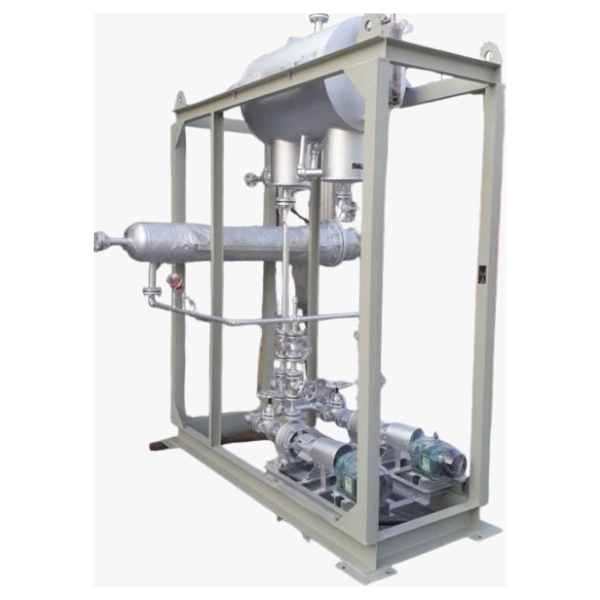
Thermic Fluid Heating-Cooling Systems

What is a Thermic Fluid Heating and Cooling System?
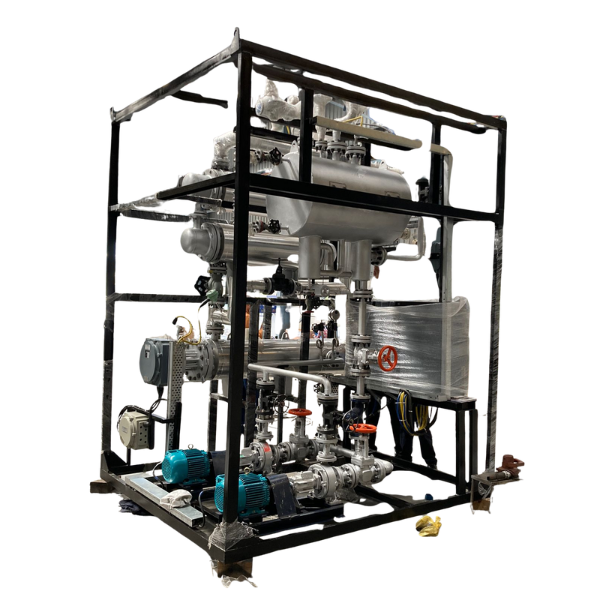
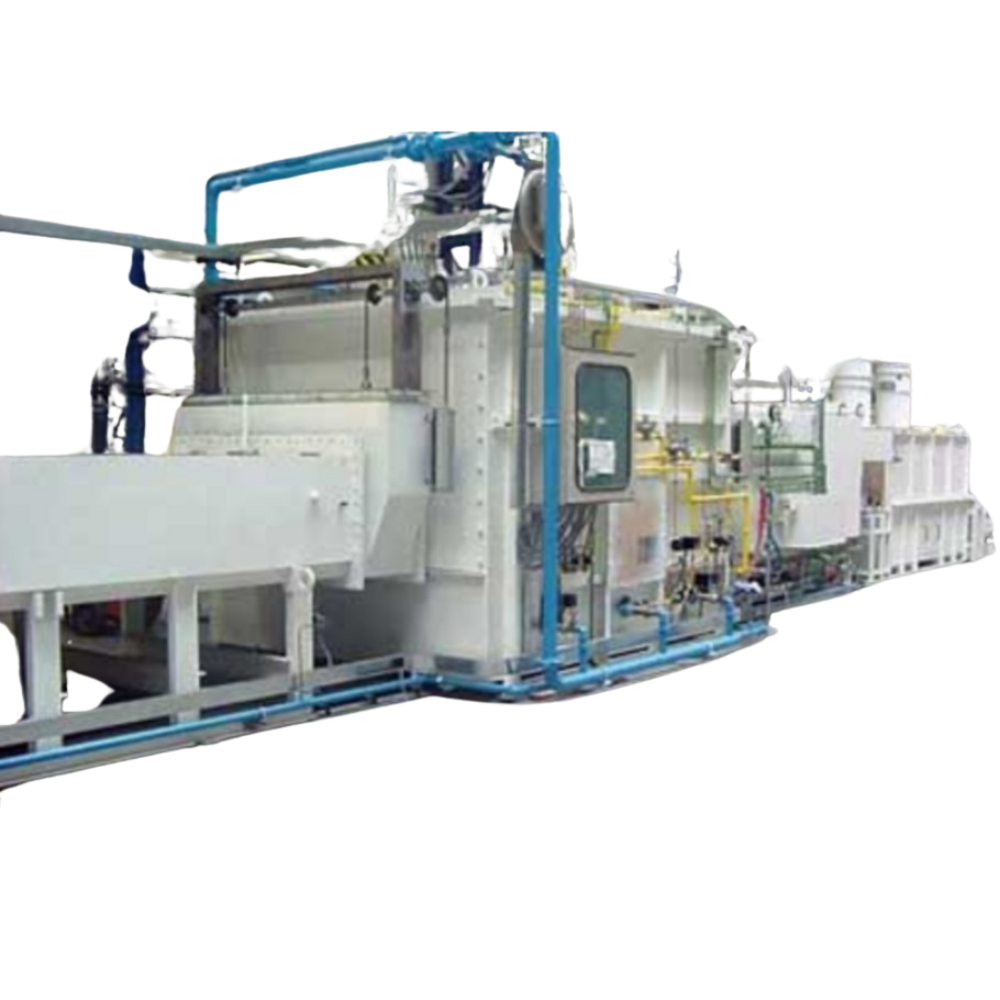
A thermic fluid heating and cooling system circulates a heat transfer fluid—typically a synthetic or mineral-based oil—through a closed-loop system to heat or cool industrial processes. Unlike steam systems, which require high pressures, thermic fluids operate at low pressures even at high temperatures (up to 300°C or more), making them safer and more efficient. These systems can also cool processes by circulating chilled fluid, offering dual functionality for precise temperature regulation.

Description

Key Components of a Thermic Fluid System

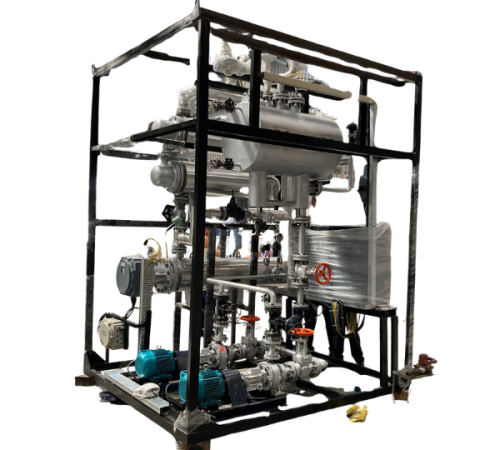
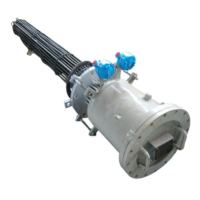
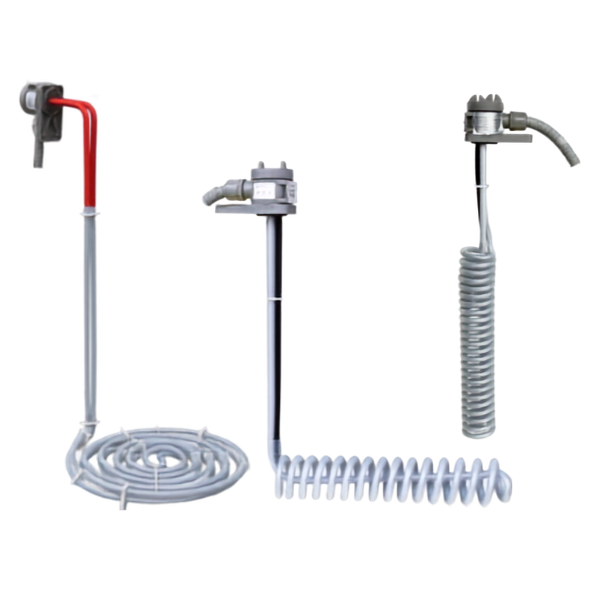
  • Thermic Fluid Heater: A heating unit with electric elements, gas, or oil burners that
    heat the thermic fluid to the desired temperature.
  •  Cooling Unit: A heat exchanger or chiller that cools the fluid for applications requiring
    temperature reduction.
  • Circulation Pump: Moves the thermic fluid through the system, ensuring consistent flow
    and heat transfer.
  •  Expansion Tank: Accommodates fluid volume changes due to temperature variations,
    maintaining system pressure.
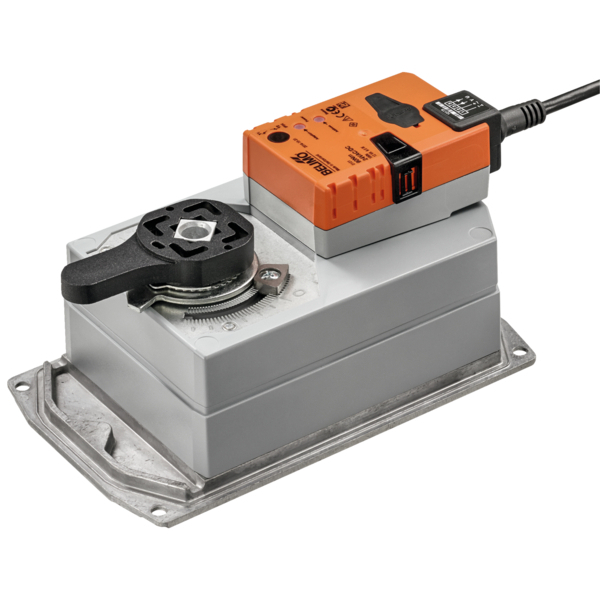
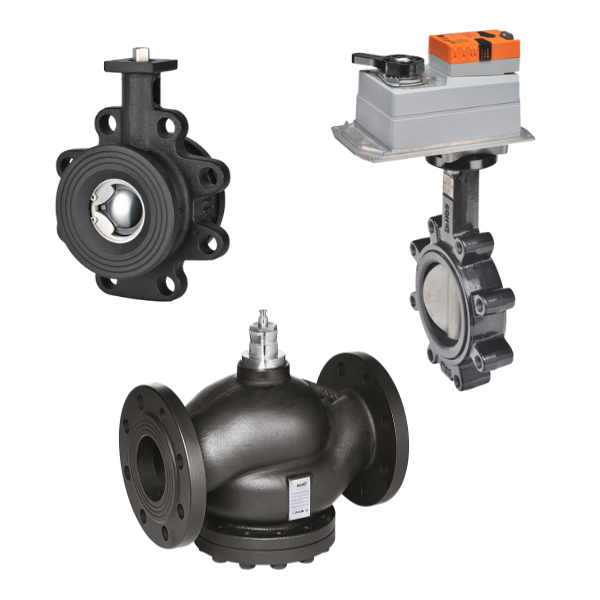
  •  Piping and Valves: Directs the fluid to process equipment, with valves controlling flow
    and temperature.
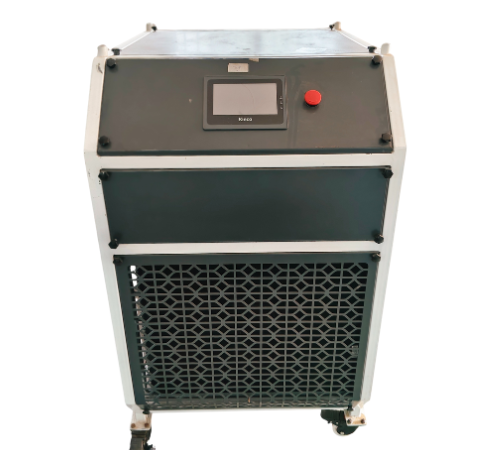
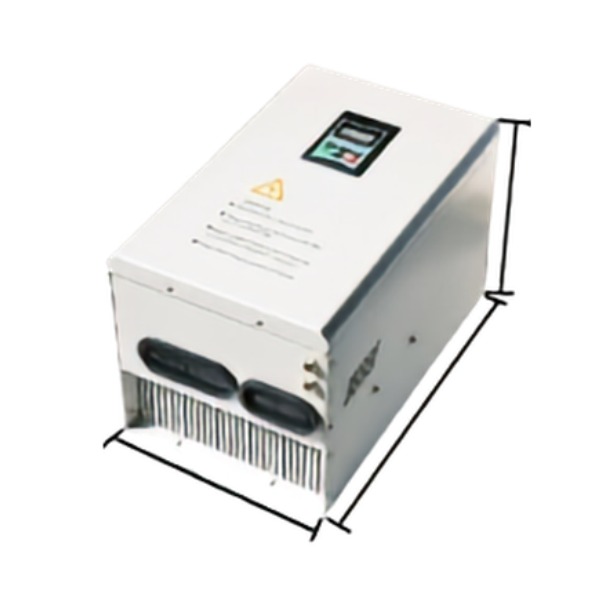
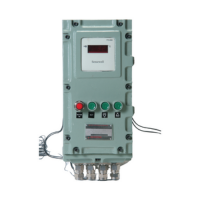
  •  Control System: Monitors and adjusts temperature, flow rate, and system parameters,
    often with digital or PLC-based interfaces for precision.
  •  Heat Exchanger: Transfers heat or cold from the thermic fluid to the process, ensuring
    efficient energy use.
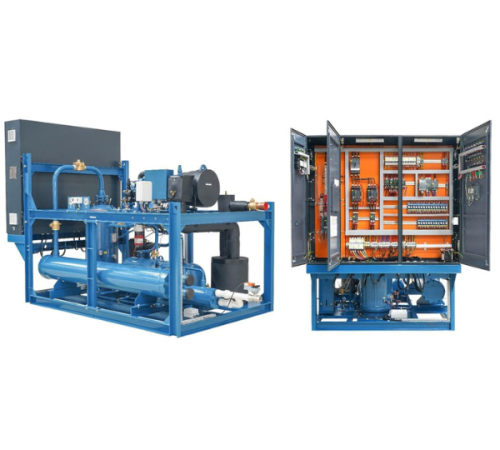
How Thermic Fluid Systems Work

The operation of a thermic fluid heating and cooling system involves:
1. Heating Phase: The thermic fluid is heated in the heater using electric elements or a
burner (fueled by gas, oil, or biomass). The fluid absorbs heat and reaches temperatures
tailored to the process, typically 150–300°C.
2. Circulation: A pump circulates the heated fluid through insulated piping to a heat
exchanger or directly to the process equipment (e.g., molds, reactors, or dryers).
3. Cooling Phase (if applicable): For cooling, the fluid is passed through a chiller or
cooling heat exchanger, reducing its temperature before circulation to the process.
4. Heat Transfer: The fluid transfers heat or cold to the target application, maintaining
precise temperatures for processes like curing, drying, or chemical reactions.
5. Return Cycle: The fluid returns to the heater or chiller to be reconditioned, ensuring
continuous operation in a closed loop.

Benefits of Thermic Fluid Heating and Cooling Systems

Thermic fluid systems offer significant advantages over traditional heating and cooling methods:
1. High Temperature, Low Pressure: Operate at high temperatures (up to 300–400°C)
without the high pressures required by steam systems, reducing safety risks and
equipment costs.
2. Dual Functionality: Capable of both heating and cooling in a single system, eliminating
the need for separate setups and improving efficiency.
3. Energy Efficiency: Thermic fluids have high thermal stability and heat capacity,
reducing energy losses and lowering operational costs by up to 20–30% compared to
steam systems.
4. Precise Temperature Control: Advanced control systems maintain temperatures within
±1°C, critical for processes like composite curing or chemical synthesis.
5. Versatility: Suitable for a wide range of industries, from food processing to wind blade
manufacturing, with customizable fluid types and system configurations.
6. Low Maintenance: Closed-loop systems with durable components and stable fluids
require less maintenance than steam boilers or water-based systems.
7. Environmental Benefits: Electric or biomass-fueled systems reduce emissions, and the
absence of water treatment needs minimizes environmental impact.

Applications of Thermic Fluid Systems

Thermic fluid heating and cooling systems are used across diverse industries due to their
efficiency and precision:
 Wind Turbine Blade Manufacturing: Heating and cooling molds for curing composite
materials in blade roots, ensuring structural integrity and uniformity.
 Chemical Processing: Maintaining precise temperatures in reactors, distillation units,
and polymerization processes to ensure product quality.
 Pharmaceuticals: Providing consistent heating or cooling for drying, granulation, or
sterilization processes without contamination risks.
 Food Processing: Cooking, frying, or drying food products, such as snacks or edible oils,
with clean, indirect heating to meet hygiene standards.
 Textiles: Heating dyeing machines or drying fabrics with uniform temperature control to
prevent material damage.
 Plastics and Composites: Curing resins or molding plastics with precise temperature
regulation for high-quality output.
 Oil and Gas: Heating pipelines or storage tanks to maintain fluid viscosity and prevent
freezing in cold climates.

Cart (0 items)

Product Enquiry