


Ultimate Temperature Sensors Guide | FLP, RTD, Thermocouple Vadodara
Temperature sensors play a critical role in every industrial, commercial, and scientific application where temperature measurement is required. From manufacturing plants to chemical processing facilities, from HVAC systems to laboratory equipment, temperature sensors ensure accurate, reliable, and stable monitoring. As industries continue to automate and modernise, the demand for high-precision temperature measurement solutions has grown significantly.
Table of Contents
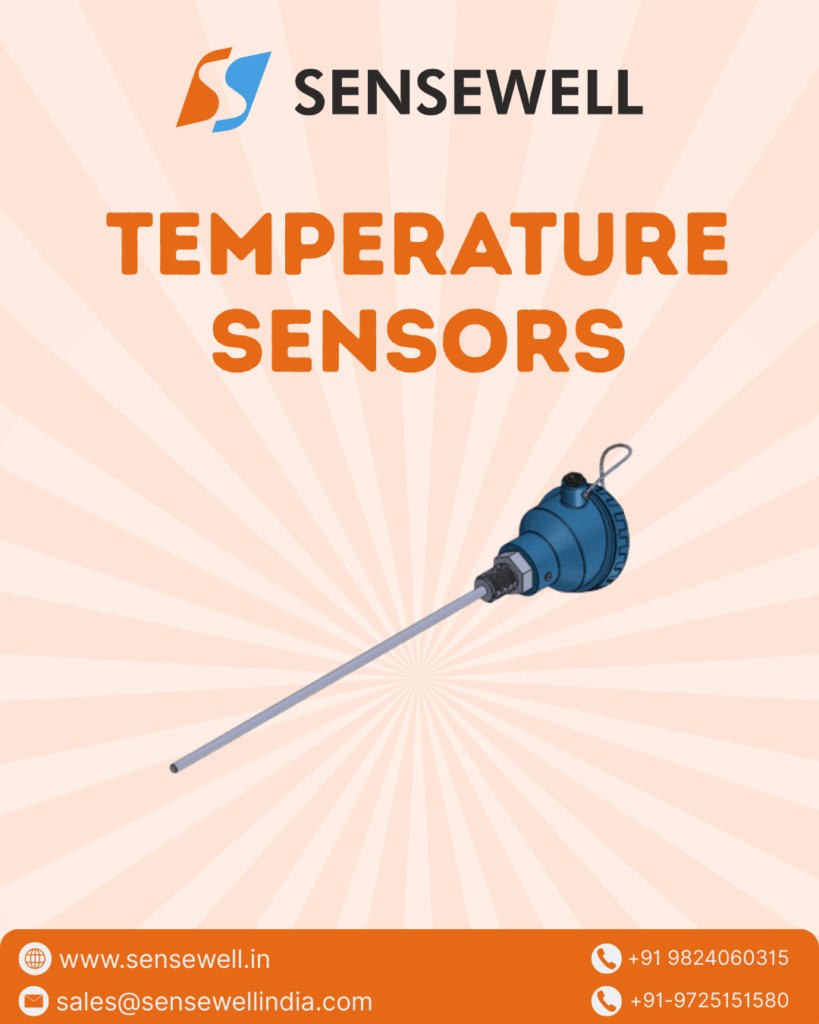
In this comprehensive guide, we will explore the importance of temperature sensors, how they work, types of industrial sensors, and a detailed overview of FLP temp. sensors, thermocouples, and RTDs, the three most widely used temperature-measuring technologies in industries.
view product
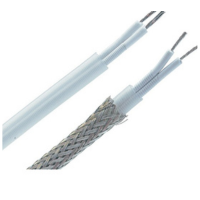
RTD’S
THERMO COUPLE
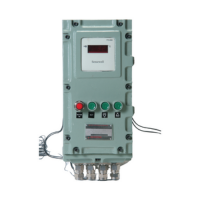
FLP TEMP. SENSOR
What Are Temperature Sensors?
Temperature sensors are devices designed to measure the degree of heat, cold, or thermal energy within an object, environment, or system. They convert temperature into an electrical signal that can be monitored, displayed, or controlled.
Their accuracy, reliability, and response time play a major role in the performance of industrial processes. Whether it’s maintaining the correct temperature in chemical reactions, ensuring safe operation in explosive zones, or guaranteeing the quality of food production temperature sensors are essential.
Why Temperature Sensors Are Important in Industries
Industries rely on temperature sensors for several reasons:
- Process Safety – Incorrect temperature can cause chemical hazards, overheating, or equipment failure.
- Product Quality Control – Many industries rely on specific temperature conditions for production.
- Automation & Monitoring – Sensors provide input to PLC, DCS, and control systems.
- Energy Efficiency – Monitoring temperature reduces energy wastage and improves efficiency.
Because of these benefits, selecting the right temperature sensor is crucial for smooth and safe operations.
Types of Industrial Temperature Sensors
The three most important and widely used industrial temperature sensors are:
- FLP Temp. Sensor (Flameproof Temperature Sensor)
- Thermocouple
- RTDs (Resistance Temperature Detectors)
Let’s discuss each one in detail.
FLP Temp. Sensor (Flameproof Temperature Sensor)
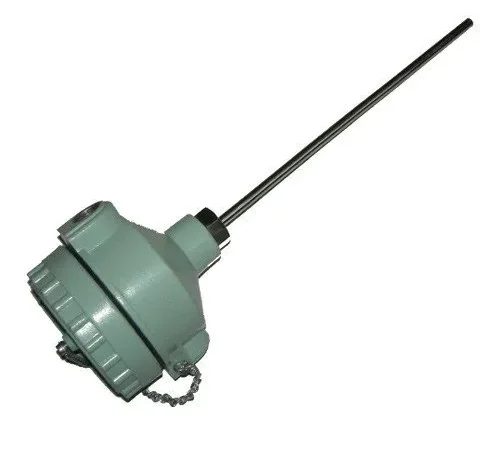
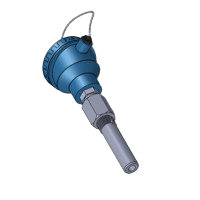
An FLP temp. Sensor is specially designed for hazardous and explosive environments where gases, vapours, or flammable materials are present. These sensors are enclosed in a flameproof housing to prevent internal sparks from causing external fires.
Key Features of FLP Temp. Sensor
- Flameproof enclosure certified for hazardous areas
- Suitable for oil & gas plants, chemical industries, and refineries
- High accuracy and long operational life
- Resistant to harsh environmental conditions
- Compatible with thermocouples & RTDs inside the enclosure
Applications
- Refinery equipment
- Petrochemical plants
- Gas pipelines
- Hazardous manufacturing units
- Fuel processing industries
Because of the rising safety standards worldwide, FLP Temp. Sensors are in high demand for critical industrial applications.
Thermocouple: Fast-Response Temperature Sensor for All Industries
A Thermocouple is one of the oldest and most reliable types of temperature sensors used in industries. It operates on the Seebeck principle, where two dissimilar metals generate a voltage based on temperature difference.
Types of Thermocouples
Common industrial types include:
- K Type Thermocouple
- J Type Thermocouple
- T Type Thermocouple
- E Type Thermocouple
- R & S Type Thermocouple (for high-temperature applications)
Advantages of Thermocouples
- Wide temperature measuring range
- Fast response time
- Highly durable
- Cost-effective
- Suitable for rugged environments
Applications
- Furnaces and boilers
- Power plants
- Glass, metal, and ceramic industries
- Chemical processing units
- Food processing
Because of their versatility, thermocouples are used in almost every industry today.
RTDs (Resistance Temperature Detectors): High-Accuracy Temperature Sensors
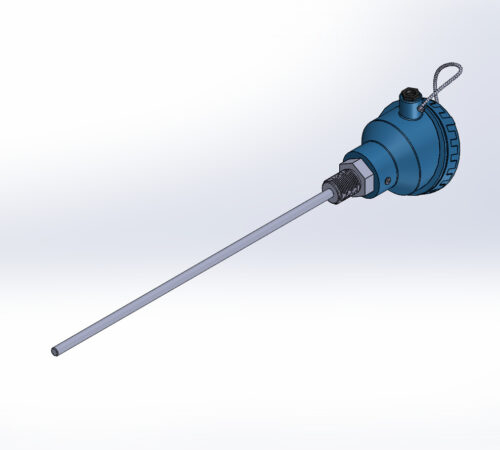
RTDs are temperature sensors that work on the principle of resistance change in metals. As temperature increases, the resistance of the metal also changes, allowing precise temperature measurement.
RTDs are known for their superior accuracy, long-term stability, and repeatability, making them essential in industries requiring precise temperature control.
Common Types of RTDs
- PT100 RTD
- PT1000 RTD
Advantages of RTDs
- High accuracy
- Stable readings
- Long life
- Suitable for low and medium temperature applications
Applications
- Pharmaceutical & biotech industries
- Food & beverage production
- Laboratory research
- HVAC systems
- Precision industrial processes
RTDs are especially preferred in industries where even a 1-degree temperature variation can affect product quality.
How to Choose the Right Temperature Sensor?
Choosing the right temperature sensor depends on several considerations:
✔ 1. Temperature Range Required
- For very high heat (up to 1600°C) → Thermocouple
- For mid-range and high accuracy → RTD
- For hazardous areas → FLP Temp. Sensor
✔ 2. Environmental Conditions
- Dusty, explosive, or hazardous → Flameproof sensors
- Laboratory or precision equipment → RTD
✔ 3. Accuracy Needed
- High accuracy → RTD
- General industrial use → Thermocouple
✔ 4. Budget
- Thermocouples are cheaper
- RTDs cost more but offer better accuracy
✔ 5. Response Time
- Fast response → Thermocouple
- Stable output → RTD
Understanding these requirements helps industries pick the most suitable temperature sensor.
Benefits of Using High-Quality Temperature Sensors
High-quality temperature sensors offer huge advantages:
- Improved process efficiency
- Reduced energy consumption
- Better product consistency
- Enhanced safety in hazardous areas
- Lower maintenance costs
- Reduced downtime
Industries that invest in accurate temperature measurement enjoy better overall performance.
Temperature Sensors are essential components in modern industrial systems. Whether it’s controlling heat in a refinery, monitoring temperature in pharmaceutical manufacturing, or ensuring safety in explosive areas—temperature sensors play a critical role.
FAQs
1. What is the difference between a thermocouple and an RTD?
Thermocouples measure temperature using voltage differences, while RTDs measure temperature through resistance changes. Thermocouples have a wider range, but RTDs offer higher accuracy.
2. Where are FLP Temp. Sensors used?
FLP temperature sensors are used in hazardous and explosive environments such as refineries, petrochemical plants, chemical factories, and gas pipelines.
3. Which temperature sensor is the most accurate?
RTDs are considered the most accurate sensors because of their stable and repeatable readings.
4. Can thermocouples work in extreme temperatures?
Yes, thermocouples can measure temperatures from 200°C to 1600°C depending on the type, making them suitable for furnaces and high-heat applications.
5. How do I select the right temperature sensor for my industry?
Consider your temperature range, accuracy requirement, environment (hazardous or safe), response time, and budget. RTDs are best for accuracy, thermocouples for high range, and FLP sensors for hazardous areas.