


Industrial Electrical Oven: The Ultimate Powerhouse for Modern Manufacturing Efficiency
In today’s rapidly advancing industrial world, efficiency, precision, and consistency are the keys to success. One of the most essential pieces of equipment driving these goals is the industrial electrical oven. Whether used for baking, curing, drying, or heat treatment, these ovens are the backbone of multiple industries, from food processing and pharmaceuticals to automotive and aerospace manufacturing.
Table of Contents
What Is an Industrial Electrical Oven?
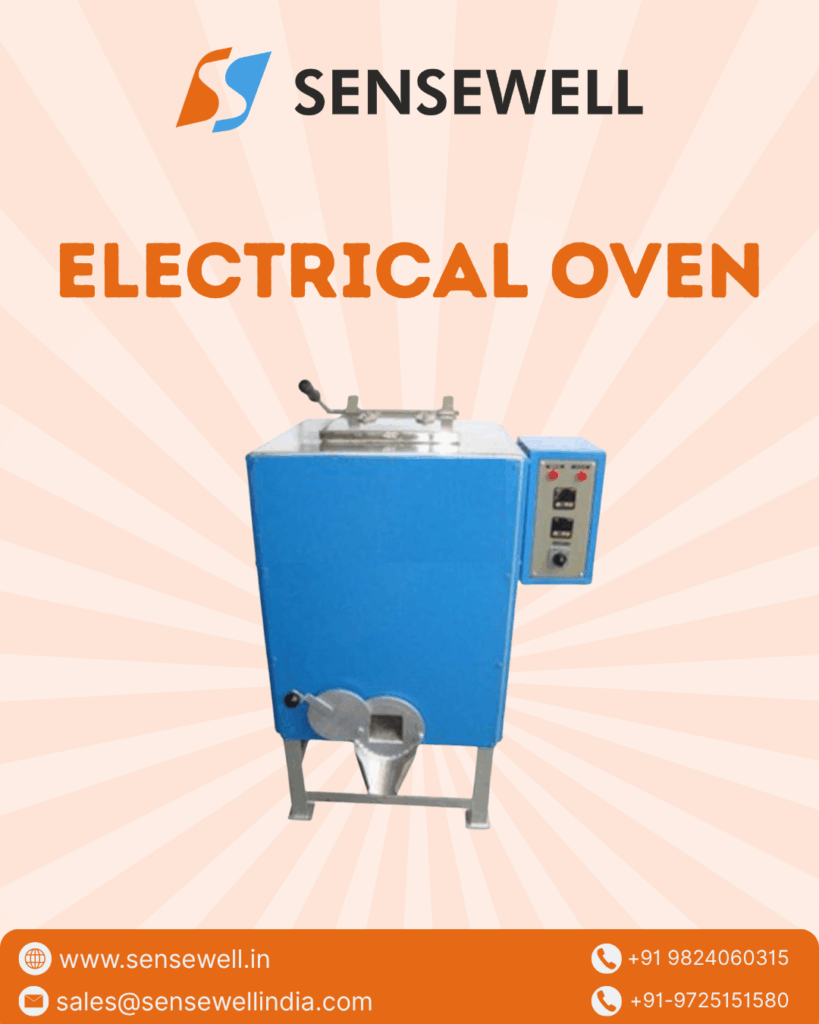
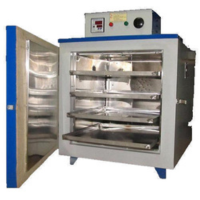
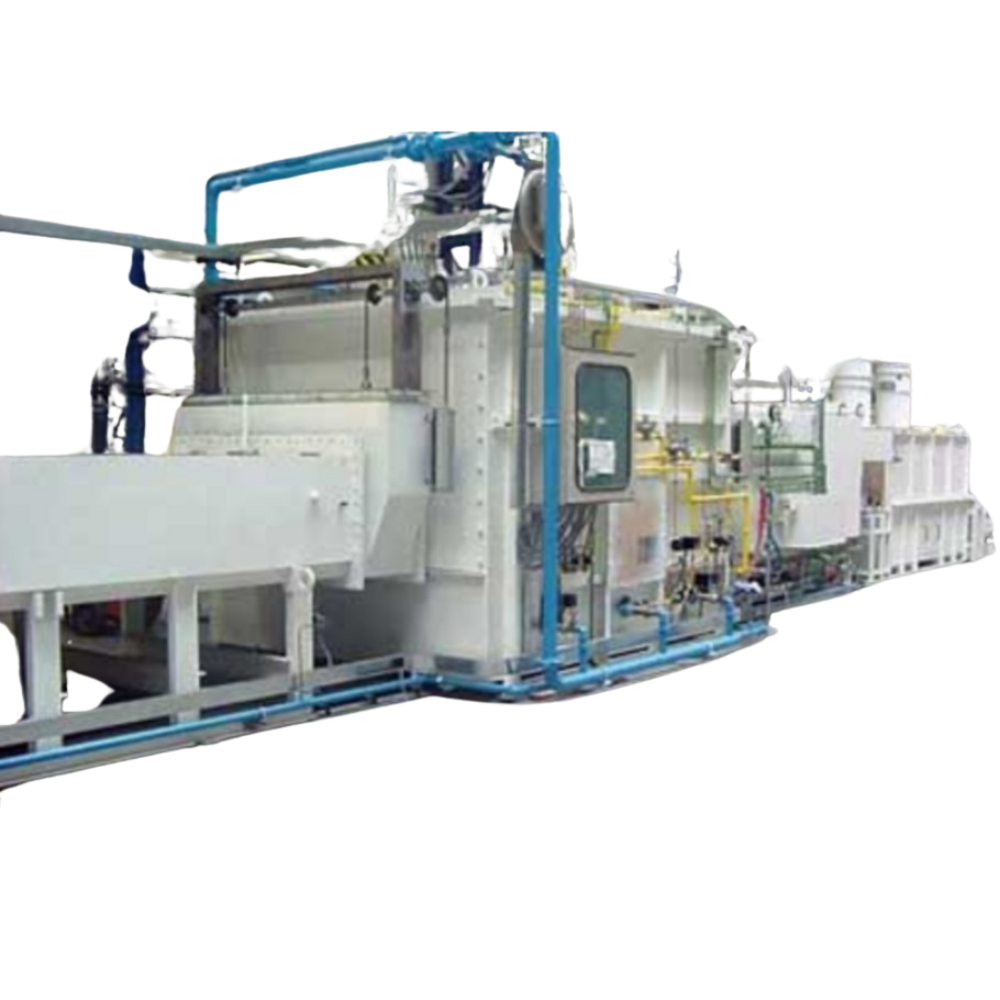
An industrial electrical oven is a large-scale heating chamber that uses electrical energy to produce and maintain controlled heat for industrial applications. Unlike domestic ovens, these are built to handle continuous operations, high temperatures, and large volumes of materials. They are used for processes such as baking, curing coatings, drying components, and heat-treating metals or composites.
The popularity of industrial electrical ovens continues to grow because they offer precise temperature control, energy efficiency, and clean operation compared to fuel-based alternatives.
Commercial Electrical Oven – Powering Professional Kitchens and Bakeries
The Commercial Oven is designed specifically for restaurants, bakeries, and large food production units that need reliable performance and even heating. These ovens provide consistent baking results and help maintain hygiene standards since they operate without open flames or harmful emissions.
From baking bread and pastries to roasting meats, commercial ovens offer the same reliability and energy efficiency that industrial models provide but on a slightly smaller scale suitable for commercial food operations.
Industrial Baking Oven – Precision and Performance for Bulk Production
When it comes to large-scale food manufacturing, an industrial baking oven is indispensable. These ovens are engineered to bake huge batches of products uniformly, ensuring consistent quality in every item.
An industrial baking oven often integrates automated conveyor systems, programmable temperature controls, and steam injection technology, helping manufacturers increase productivity and maintain product standards.
Industrial Electric Heating Oven – Energy-Efficient Thermal Solutions
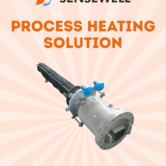
The Industrial Electric Heating Oven is all about efficiency and precision. By using electric heating elements instead of gas burners, these ovens ensure better temperature uniformity and faster heat-up times.
Industries prefer industrial electric heating ovens for processes such as annealing, drying, and thermal testing. These ovens are also environmentally friendly since they reduce carbon emissions and eliminate the need for fossil fuels.
Industrial Convection Oven – Uniform Heating for Critical Processes
An industrial convection oven uses forced-air circulation to ensure that heat is evenly distributed throughout the chamber. This type of oven is perfect for applications that require uniform heating, such as curing paints, drying coatings, or baking sensitive materials.
The built-in fans circulate hot air, preventing cold spots and guaranteeing that every part of the load receives the same temperature treatment. This technology makes the industrial convection oven one of the most popular choices for manufacturers who demand reliability and precision.
Heavy-Duty Electrical Oven – Built for Extreme Industrial Environments
A heavy-duty electrical oven is built to withstand the rigours of continuous industrial use. These ovens feature reinforced steel structures, heavy insulation, and high-temperature heating elements designed for demanding operations.
Industries such as aerospace, automotive, and metal fabrication depend on heavy-duty electrical ovens for their ability to maintain high temperatures for extended periods without compromising safety or efficiency.
Industrial Electric Furnace – The Powerhouse of High-Temperature Applications
For industries that need extreme heat levels, the Industrial Electric Furnace is the ultimate solution. It’s designed for heat treatment, melting, sintering, and forging processes that require temperatures beyond the capabilities of standard ovens.
An industrial electric furnace provides precise thermal control and uniform heat distribution, ensuring high-quality results for materials such as metals, ceramics, and glass. Because it operates on electricity, it also offers cleaner operation and easier maintenance than gas furnaces.
Industrial Oven for Manufacturing – Versatile and Reliable
From curing adhesives to drying paint coatings, an industrial oven for manufacturing plays a vital role in ensuring that production lines run smoothly. These ovens are customised based on the manufacturing process—some feature conveyor belts for continuous production, while others have batch-loading systems for specific treatments.
Regardless of design, every industrial oven for manufacturing aims to enhance throughput, reduce downtime, and improve overall product quality.
Electric Industrial Drying Oven – Efficient Moisture Removal
An electric industrial drying oven is commonly used in industries like pharmaceuticals, electronics, and automotive manufacturing for removing moisture from products or components. By maintaining precise temperature and airflow control, these ovens ensure that materials dry evenly and quickly without damage.
Since they run on electricity, electric industrial drying ovens are more energy-efficient and safer compared to fuel-based systems.
Industrial Electric Curing Oven – Perfect for Coating and Finishing
The industrial electric curing oven is essential in industries that apply paints, powder coatings, or adhesives. These ovens ensure that coatings are properly cured — improving adhesion, durability, and finish quality.
Whether used in automotive parts, furniture manufacturing, or metal fabrication, industrial electric curing ovens deliver flawless surface finishes and reduce processing time.
Why Choose an Industrial Electrical Oven?
Here are some key advantages of using an industrial oven across industries:
- Energy Efficiency: Electric ovens minimise energy waste and reduce operational costs.
- Precision: Advanced temperature control ensures consistent results every time.
- Clean Operation: No emissions, soot, or contamination, making them ideal for cleanroom environments.
- Low Maintenance: Fewer moving parts and simple electrical components mean reduced downtime.
- Customisable Design: Manufacturers can tailor size, temperature range, and functionality to specific needs.
The industrial oven has revolutionised the way industries handle heat treatment, baking, drying, and curing. From commercial ovens in bakeries to industrial electric furnaces in heavy manufacturing, these ovens stand as a symbol of reliability, precision, and energy efficiency.
By integrating advanced technologies such as digital temperature controllers, insulation systems, and smart automation, the industrial electrical continues to evolve ensuring higher productivity and sustainability for modern industries.
FAQs
1. What is the difference between an industrial electrical oven and an industrial electric furnace?
An industrial oven operates at moderate temperatures for drying, baking, or curing, while an industrial electric furnace is designed for extremely high temperatures used in metalworking and heat treatment.
2. Are industrial ovens energy-efficient?
Yes, they are more energy-efficient than gas ovens due to precise temperature control and minimal heat loss through advanced insulation.
3. What industries commonly use industrial ovens?
They are widely used in automotive, aerospace, food processing, pharmaceutical, ceramic, and electronics manufacturing.
4. Can an industrial oven be customised?
Absolutely. Manufacturers can customise ovens for size, temperature range, airflow design, and automation, depending on the production requirements.