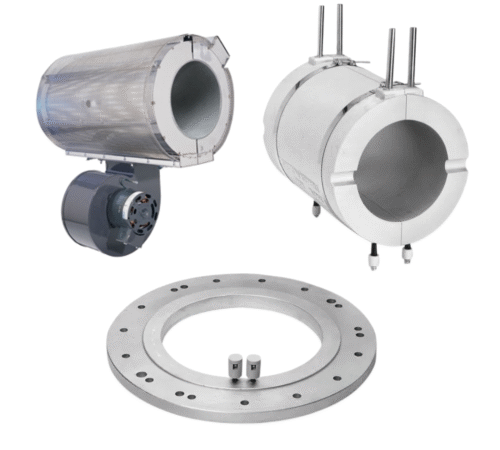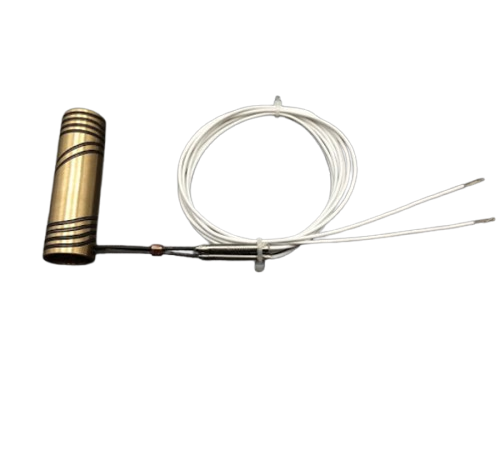
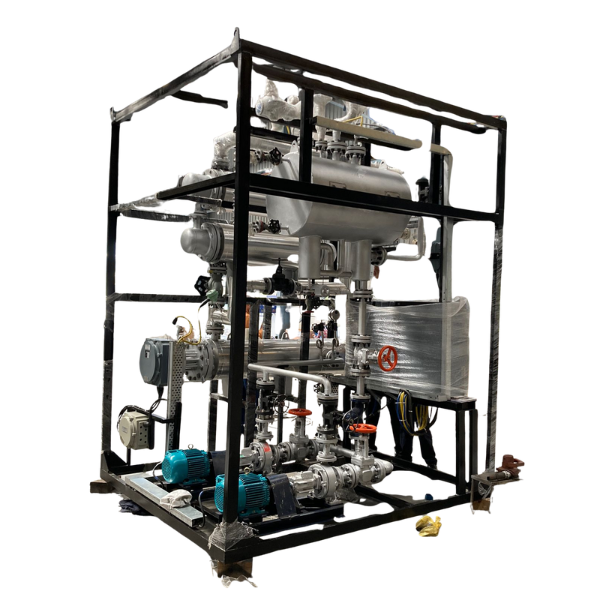
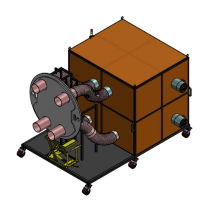
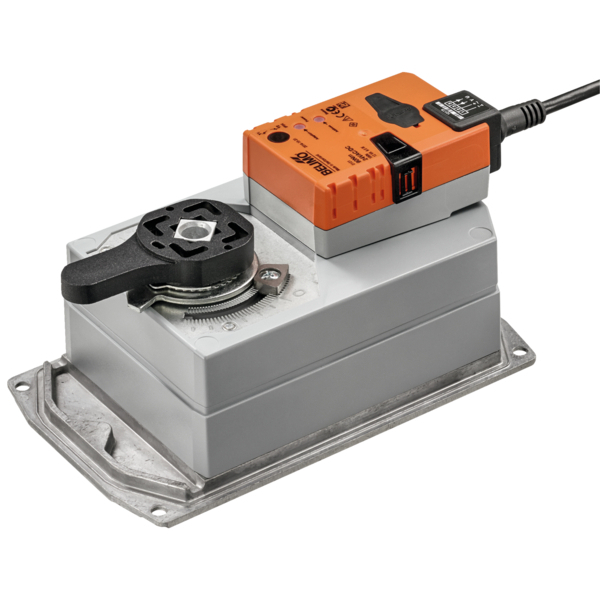


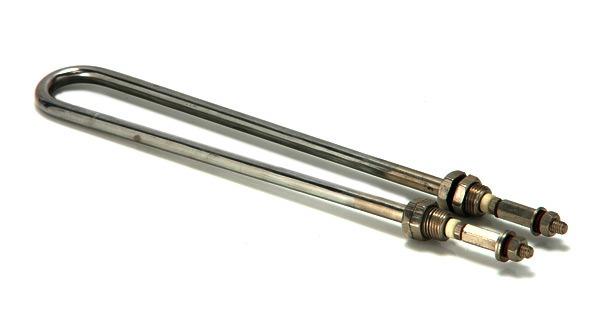
AIR HEATER (WITHOUT FINNS)

What Are Air Heaters Without Fins?

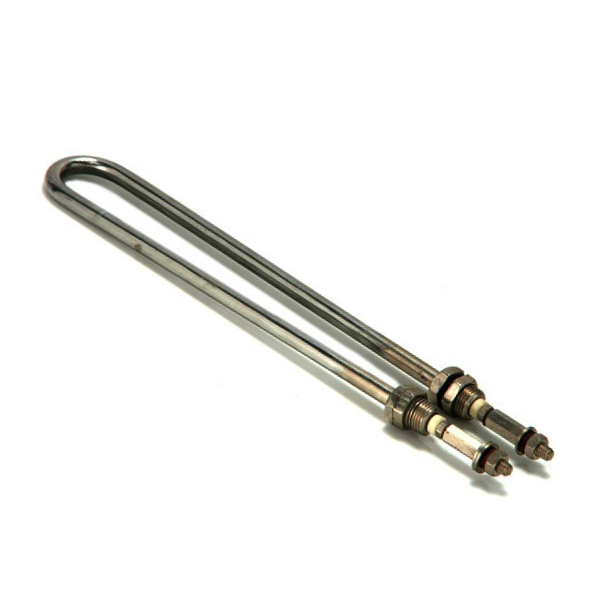
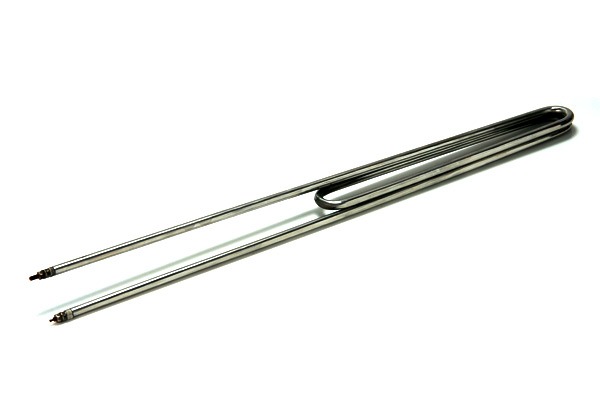
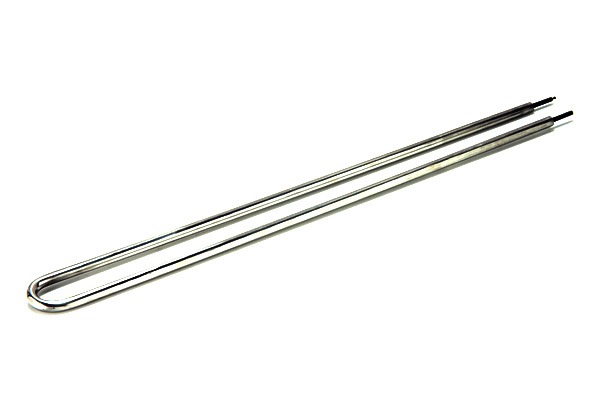
Air heaters without fins are electric heaters typically constructed from tubular elements, often made of stainless steel, Incoloy, or other high-temperature alloys. These heaters consist of a resistance wire (usually nickel-chromium) encased in a metal sheath, insulated with high-purity magnesium oxide (MgO) for efficient heat transfer and electrical insulation. The absence of fins results in a simpler, more robust design suited for environments where debris, dust, or high air velocities could damage or clog finned structures.

Description

Comprehensive Guide to Air Heaters
Without Fins
Air heaters without fins, often referred to as tubular air heaters or bare-element heaters, are
specialized electric heating devices designed to heat air or gases in industrial, commercial, and
specialized applications. Unlike finned heaters, which use fins to increase surface area for
enhanced heat transfer, non-finned air heaters rely on their exposed tubular elements to directly
heat air through convection and radiation. This design makes them ideal for specific applications
requiring simplicity, durability, and precise heating in environments where fins may be
impractical. This blog provides a detailed exploration of their design, functionality, applications,
advantages, and key considerations.
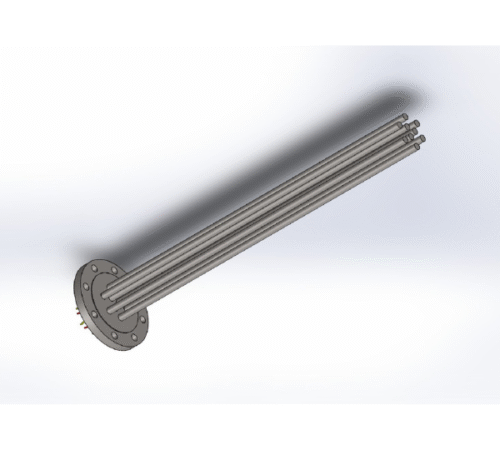
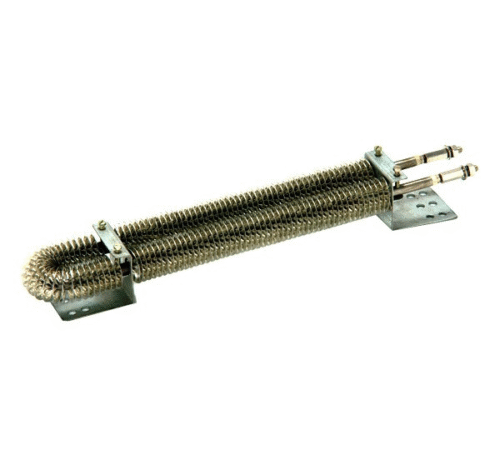
Key Features

● Tubular Design: Seamless, corrosion-resistant metal sheath (e.g., stainless steel 304,
316, or Incoloy 800) for durability in harsh environments.
● High-Temperature Capability: Can operate at sheath temperatures up to 1200Β°F
(650Β°C) or higher, depending on the material and design.
● Watt Density: Typically ranges from 10–40 watts per square inch, optimized for air
heating without the need for enhanced surface area from fins.
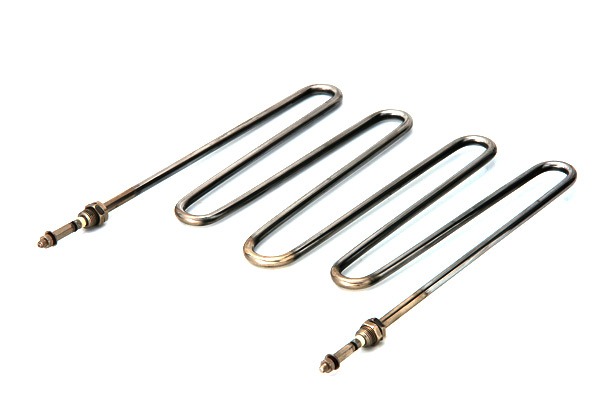
● Customization: Available in various shapes (straight, U-shaped, coiled), diameters
(e.g., 0.25” to 0.625”), lengths, and voltages (120V, 240V, 480V).
● Mounting Options: Threaded fittings, flanges, or brackets for easy integration into
ducts, ovens, or process systems.
● Control Options: Often equipped with thermocouples, thermostats, or control panels for
precise temperature regulation.

How Air Heaters Without Fins Work

Non-finned air heaters operate by passing an electric current through a high-resistance wire,
generating heat that is transferred to the surrounding air or gas via convection and radiation.
The tubular sheath protects the heating element while efficiently conducting heat. Airflow, either
forced (via fans or blowers) or natural, passes over the heater’s surface, absorbing heat and
raising the air temperature.
The absence of fins reduces the surface area compared to finned heaters, which may result in
lower heat transfer efficiency in low-velocity airflow. However, this design excels in high-velocity
air streams, high-temperature applications, or environments with particulate matter, as fins could
trap debris or corrode.

Applications

Air heaters without fins are used in a wide range of industries due to their robust design and
ability to operate in challenging conditions. Common applications include:
● Industrial Process Heating: Used in drying ovens, curing systems, and heat-treating
processes for materials like plastics, textiles, or chemicals.
● HVAC Systems: Integrated into duct heaters for space heating in commercial buildings
or specialized environments like cleanrooms.
● Aerospace and Defense: Employed in environmental test chambers or aircraft
component testing, where precise air heating is required without fin-related maintenance
issues.
● Food Processing: Used in baking, roasting, or drying applications where hygiene is
critical, as non-finned surfaces are easier to clean and less prone to contamination.
● Petrochemical Industry: Heating gases in pipelines or process systems where fins
could be damaged by corrosive gases or high velocities.
● Laboratory Equipment: Incorporated into autoclaves, incubators, or analytical
equipment requiring clean, high-temperature air heating.

Advantages of Air Heaters Without Fins

1. Durability in Harsh Environments: The lack of fins eliminates the risk of fin damage or
clogging in dusty, particulate-laden, or corrosive air streams.
2. Ease of Cleaning: Smooth tubular surfaces are simpler to clean, making them ideal for
food processing, pharmaceuticals, or cleanroom applications.
3. High-Temperature Performance: Capable of reaching higher sheath temperatures than
finned heaters, suitable for applications requiring intense heat.
4. Resistance to High Air Velocities: Non-finned designs withstand high-velocity airflow
without structural damage, unlike finned heaters that may deform.
5. Cost-Effective for Specific Applications: Simpler construction can reduce
manufacturing and maintenance costs compared to finned heaters.

6. Customization Flexibility: Easily shaped into complex configurations (e.g., coiled or
serpentine) to fit specific equipment or space constraints.

Comparison with Finned Air Heaters

Finned Air Heaters
● Pros: Larger surface area increases heat transfer efficiency, ideal for low-velocity airflow
or applications requiring rapid heating of large air volumes.
● Cons: Fins can trap dust, debris, or corrosive particles, requiring more frequent
maintenance. Less suitable for high-velocity or high-temperature applications.
● Best for: HVAC systems, low-velocity air heating, or applications where maximizing heat
transfer is critical.
Non-Finned Air Heaters
● Pros: More durable in harsh conditions, easier to clean, and better suited for
high-velocity or high-temperature air streams.
● Cons: Lower heat transfer efficiency due to reduced surface area, which may require
higher wattage or longer heating times in some cases.
● Best for: High-velocity air streams, corrosive environments, or applications prioritizing
durability and cleanliness.

Key Considerations for Selection

When choosing an air heater without fins, consider the following factors:
● Airflow Characteristics: Ensure the heater is compatible with the airflow velocity
(forced or natural) and volume. High-velocity air may require higher watt density to
compensate for reduced contact time.
● Temperature Requirements: Verify that the heater’s maximum sheath temperature and
watt density meet the application’s needs (e.g., 300–1200Β°F).
● Material Compatibility: Select sheath materials like Incoloy for high-temperature or
corrosive environments, or stainless steel for general-purpose use.
● Wattage and Voltage: Match the heater’s power rating and voltage to the available
electrical supply and heating requirements.
● Environmental Conditions: Consider exposure to dust, moisture, or chemicals.
Non-finned heaters are ideal for dusty or corrosive air streams.
● Installation Space: Choose a heater shape (straight, U-shaped, coiled) and mounting
option (flange, threaded fitting) that fits the equipment layout.
● Control Systems: Incorporate thermocouples, thermostats, or PID controllers for
precise temperature management, especially in sensitive applications.

Maintenance and Lifespan Tips

To ensure optimal performance and longevity of non-finned air heaters:
● Regular Inspection: Check for signs of sheath corrosion, electrical faults, or physical
damage before use.
● Cleanliness: Keep the heater surface free of debris or contaminants to maintain efficient
heat transfer and prevent overheating.
● Avoid Overheating: Use temperature controls to prevent exceeding the heater’s
maximum sheath temperature, which can degrade the element.
● Proper Installation: Ensure secure mounting and adequate airflow to prevent hot spots
or uneven heating.
● Storage: Store in a dry, non-corrosive environment to protect the sheath and electrical
components.

Cart (0 items)

Product Enquiry