

Description
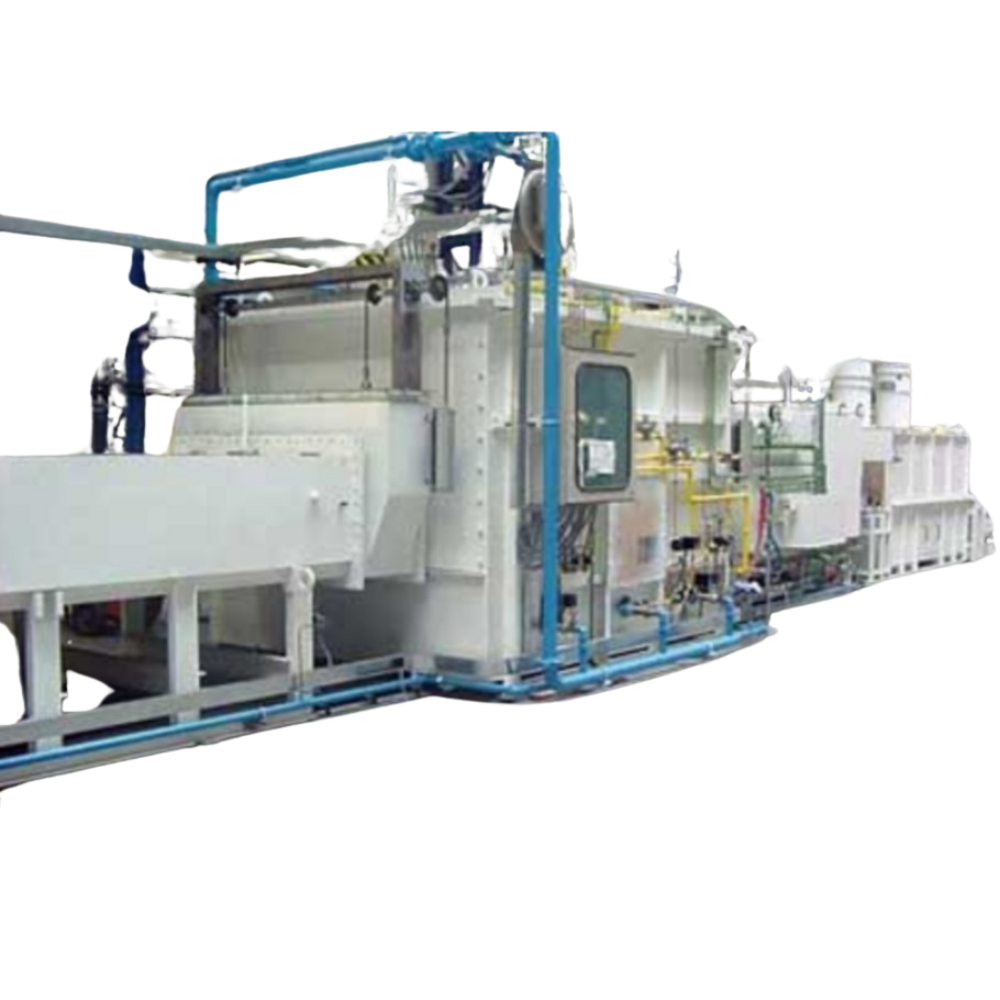
How Does an Ammonia Cracking Furnace Work?
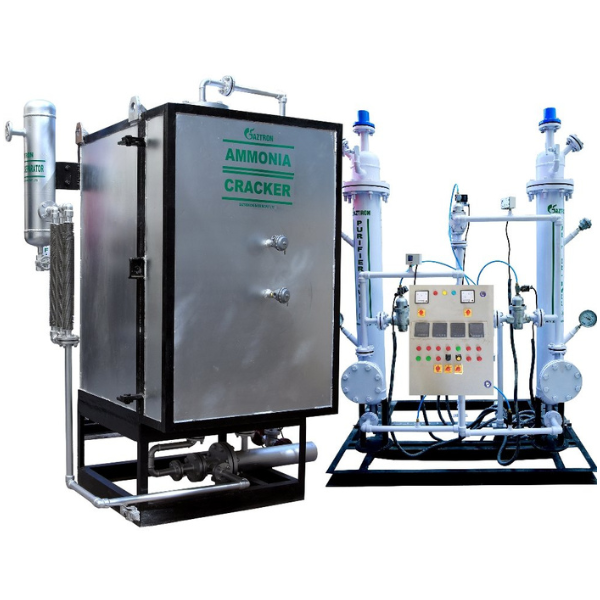
Key Components
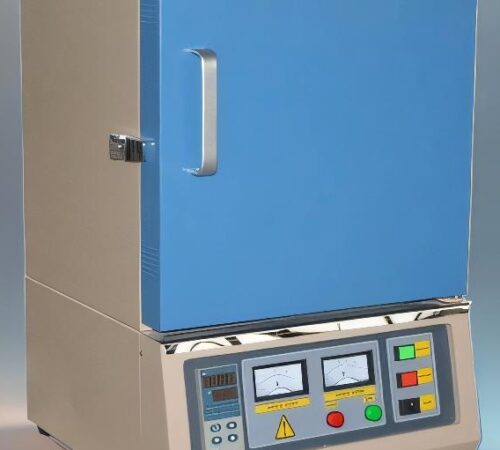
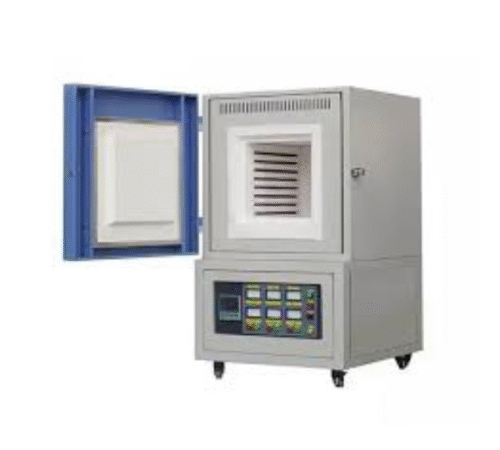
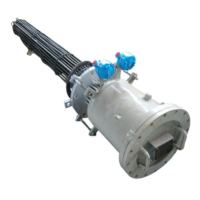
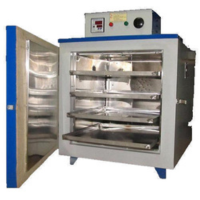
1. Furnace Chamber: The core of the system, where ammonia is heated to high
temperatures (typically 800–1000°C).
2. Catalyst: Materials like nickel, iron, or ruthenium-based catalysts are used to lower the
activation energy and enhance the efficiency of the decomposition reaction.
3. Heat Source: Electric heaters, gas burners, or renewable energy sources provide the
thermal energy required for the endothermic reaction.
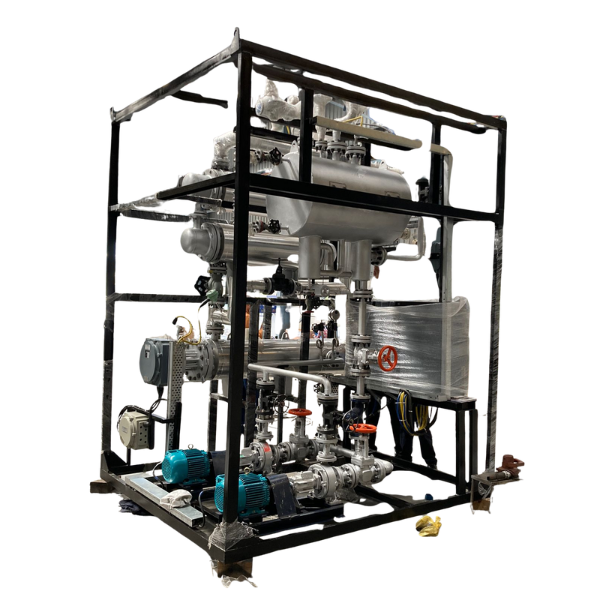
4. Gas Handling System: Manages the input of ammonia and the output of hydrogen and
nitrogen, ensuring safe and efficient gas flow.
5. Heat Recovery System: Often included to improve energy efficiency by recycling waste
heat.
Working Principle
Ammonia Feed: Liquid or gaseous ammonia is fed into the furnace.
Heating and Catalysis: The ammonia is heated in the presence of a catalyst, causing it to
break down into hydrogen and nitrogen.
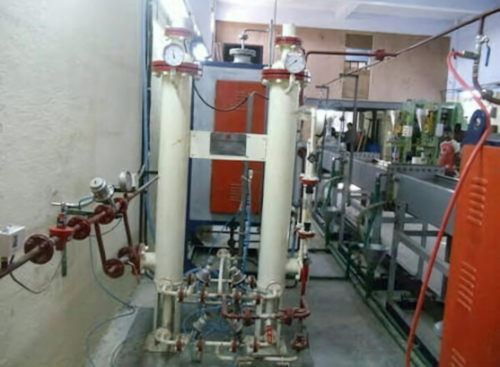
Gas Separation: The resulting gas mixture may be further processed to purify hydrogen,
depending on the application (e.g., using pressure swing adsorption for high-purity
hydrogen).
Output Utilization: The hydrogen can be used directly as a fuel or chemical feedstock,
while nitrogen is either vented or captured for other uses.