

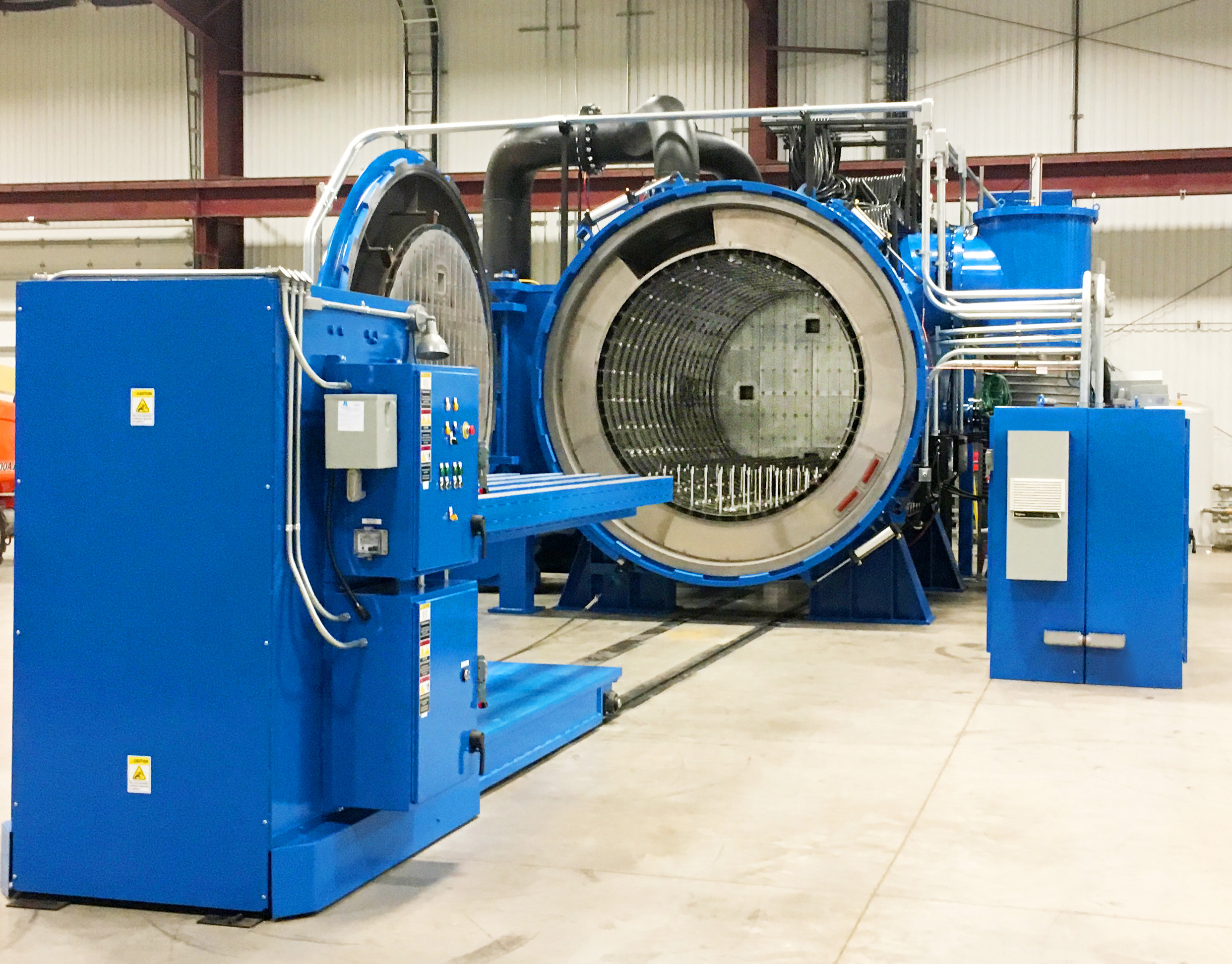
Description
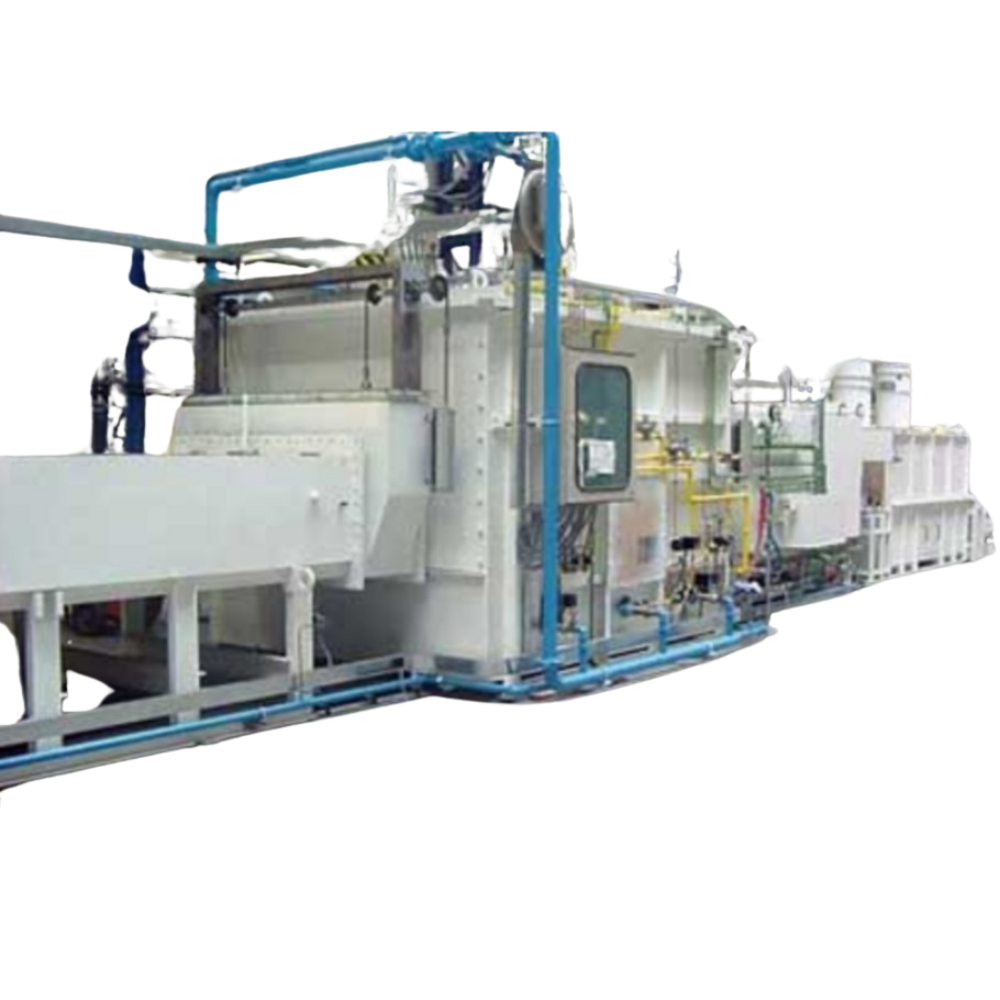
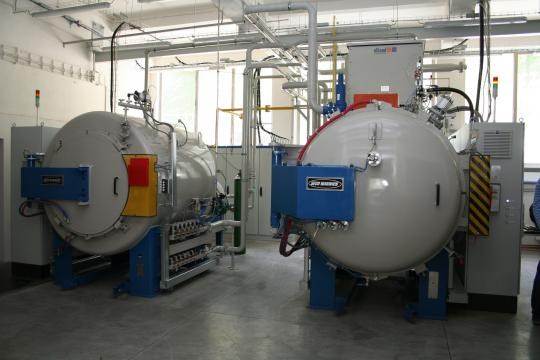
How Does a Vacuum Furnace Work?
Key Components
1. Vacuum Chamber: A sealed, robust chamber, often made of stainless steel, designed to
maintain a vacuum and withstand high temperatures.
2. Heating Elements: Typically made of materials like graphite, molybdenum, or tungsten,
these elements provide uniform heating, often up to 2000°C or higher.
3. Vacuum System: High-performance pumps (e.g., mechanical, diffusion, or
turbomolecular pumps) create and maintain the vacuum by removing air and gases.
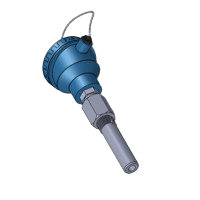
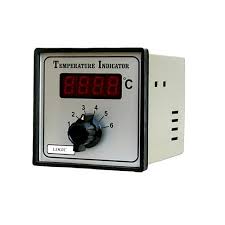
4. Temperature Control: Advanced thermocouples and controllers ensure precise
temperature regulation, often within ±1°C.
5. Cooling System: Inert gas quenching (e.g., nitrogen or argon) or radiative cooling
systems control the cooling process to achieve desired material properties.
6. Gas Management: Systems to introduce inert or reactive gases for specific processes
like brazing or quenching.
Working Principle
Loading: Workpieces are placed in the vacuum chamber, often on racks or fixtures
designed for uniform heating.
Evacuation: The vacuum pump removes air and gases, creating a low-pressure
environment (typically 10⁻² to 10⁻⁶ torr, depending on the process).
Heating: The heating elements raise the chamber temperature according to a
programmed profile, ensuring uniform heating of the workpiece.
Processing: The material undergoes the desired heat treatment (e.g., annealing, brazing)
in the absence of oxygen, preventing oxidation or scaling.
Cooling: Controlled cooling is achieved through gas quenching or natural cooling,
depending on the material and process requirements.
Unloading: The chamber is repressurized, and the treated components are removed for
inspection or further processing.