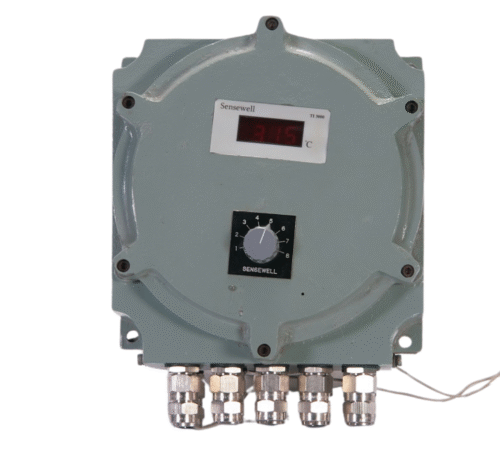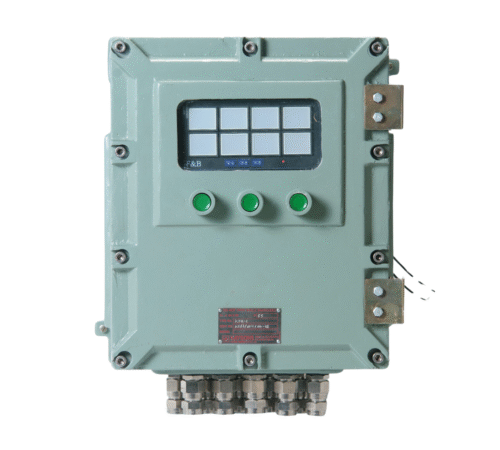


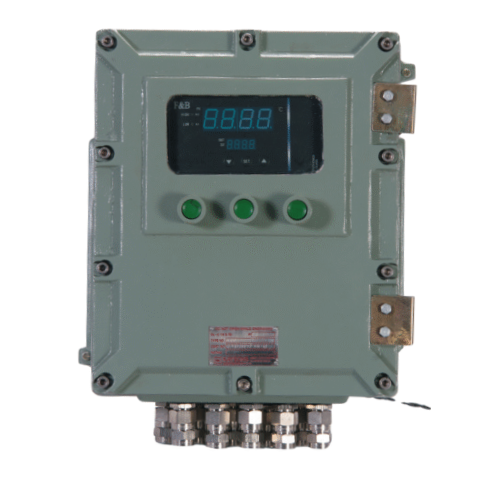
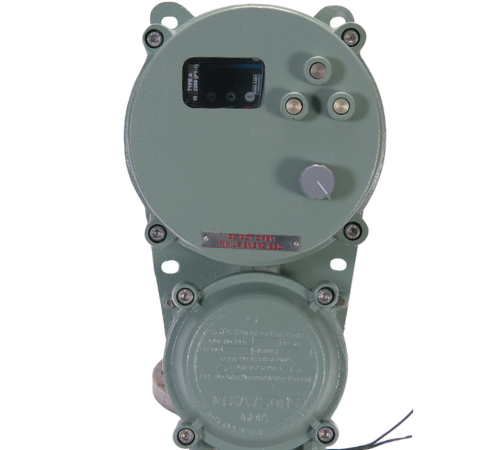
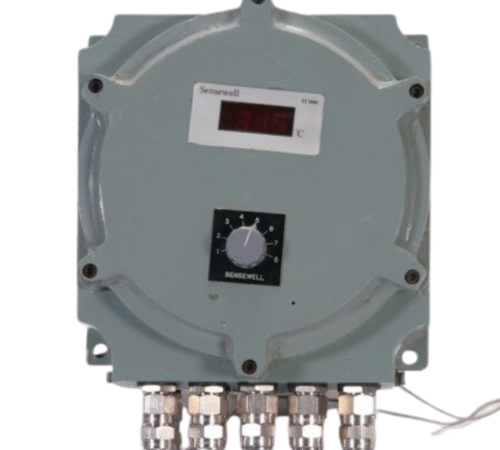
FLP DIGITAL TEMPERATURE SCANNER

FLP DIGITAL TEMPERATURE SCANNER

What is an FLP Digital Temperature Scanner?
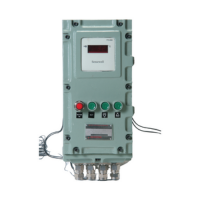
An FLP digital temperature scanner is a device that simultaneously monitors and displays
temperatures from multiple sensors, such as thermocouples or resistance temperature detectors
(RTDs), housed in a flameproof enclosure. Certified for use in hazardous areas (e.g., gas groups
I, IIA, IIB) by standards like CIMFR (India), ATEX (Europe), or IECEx, the flameproof design
ensures that internal sparks or heat do not ignite surrounding flammable atmospheres. These
scanners typically feature digital displays (LED or LCD) and can monitor 2 to 16 channels or
more, making them ideal for complex systems requiring comprehensive temperature oversight.

Description

How Does an FLP Digital Temperature Scanner Work?
Key Components
1. Flameproof Enclosure: Constructed from materials like aluminum LM-6 or stainless
steel, certified for hazardous areas with ingress protection ratings like IP65 or IP66.
2. Sensor Inputs: Supports multiple inputs from RTD Pt-100, thermocouples (e.g., J, K, T,
R, S), or analog signals (4-20 mA) for versatile temperature measurement.
3. Digital Display: High-visibility LED or LCD (e.g., 4-digit, 7-segment) shows
temperature readings for each channel, often with auto or manual scanning modes.
4. Microcontroller: Processes multiple sensor signals, supports software calibration, and
enables programmable features like scan time, alarm setpoints, or channel skipping.
5. Communication Interfaces: Optional RS485 Modbus, RS232, or 4-20 mA
retransmission for integration with SCADA, PLC, or DCS systems.
6. Power Supply: Typically operates on 230 V AC, 110 V AC, or 24 V DC, designed for
low power consumption.
7. Alarm Outputs: Relay outputs for high/low temperature alarms, enhancing process
safety and control.
Working Principle
ο‚· Sensor Connection: Multiple temperature sensors are connected to the scanner, each
monitoring a specific point in the process (e.g., reactor, pipeline, or furnace).
ο‚· Signal Processing: The microcontroller converts sensor signals into temperature values,
compensating for factors like lead wire resistance in RTDs or cold junction compensation
for thermocouples.
ο‚· Display and Scanning: The scanner displays temperatures either for a selected channel
or in auto-scan mode, cycling through channels at programmable intervals (e.g., 1–60
seconds).
ο‚· Safety: The flameproof enclosure ensures safe operation in hazardous areas (Zone 1 or
Zone 2), preventing ignition of flammable gases or vapors.

ο‚· Data Integration: Optional communication interfaces or retransmission outputs enable
data logging, remote monitoring, or integration with control systems.
ο‚· Alarms: Programmable high/low setpoints trigger alarms or control actions (e.g., relay
outputs) to maintain process safety.
Applications of FLP Digital Temperature Scanners

FLP digital temperature scanners are widely used in industries requiring multi-point temperature
monitoring in explosive atmospheres:
1. Oil and Gas: Monitoring temperatures across pipelines, refineries, or storage tanks to
ensure safe operation in environments with flammable gases like methane or propane.
2. Chemical Processing: Tracking multiple temperature points in reactors, distillation
columns, or chemical storage vessels for process optimization and safety.
3. Pharmaceuticals: Ensuring precise temperature control in multi-zone reactors or
autoclaves during drug manufacturing in hazardous areas.
4. Petrochemicals: Measuring temperatures in processes like cracking, reforming, or fuel
production where volatile substances are present.
5. Power Generation: Monitoring boiler, turbine, or heat exchanger temperatures in plants
with combustible gases or dust.
6. Fertilizer Plants: Tracking temperatures in ammonia synthesis or storage units, where
explosive gases are common.

Advantages of FLP Digital Temperature Scanners

ο‚· Safety Compliance: Flameproof enclosures meet stringent standards (e.g., IS/IEC 60079,
ATEX) for safe operation in hazardous areas.
ο‚· Multichannel Monitoring: Monitors multiple points (2–16 channels or more), reducing
the need for multiple single-channel devices and simplifying system design.
ο‚· High Accuracy: Offers precision (e.g., Β±0.1Β°C for RTDs, Β±0.25% for thermocouples)
with software calibration for reliable measurements.
ο‚· Versatility: Supports diverse inputs (RTD Pt-100, thermocouples J/K/T/R/S, 4-20 mA)
and wide temperature ranges (e.g., -50Β°C to 400Β°C for RTDs, 0Β°C to 1700Β°C for R-type
thermocouples).
ο‚· Clear Readability: Bright LED/LCD displays ensure visibility in low-light, dusty, or
smoky environments.
ο‚· Integration: Optional RS485 Modbus, RS232, or 4-20 mA outputs enable seamless
connection to SCADA, PLC, or DCS systems.
ο‚· Alarm Functionality: Programmable alarms enhance process control and safety by
alerting operators to temperature deviations.

Cart (0 items)

Product Enquiry