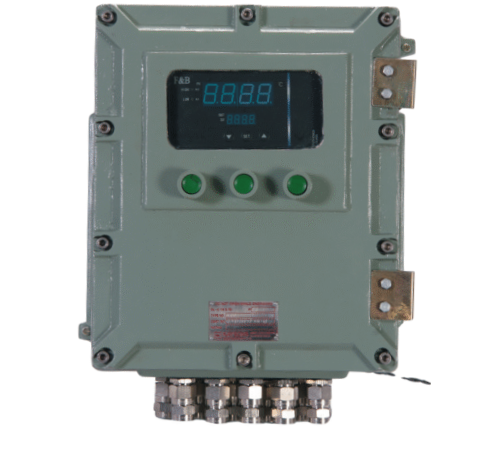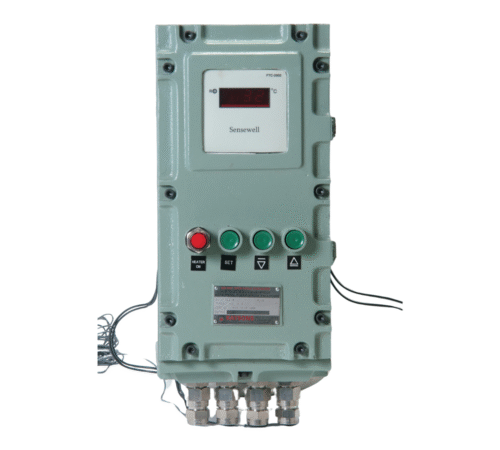


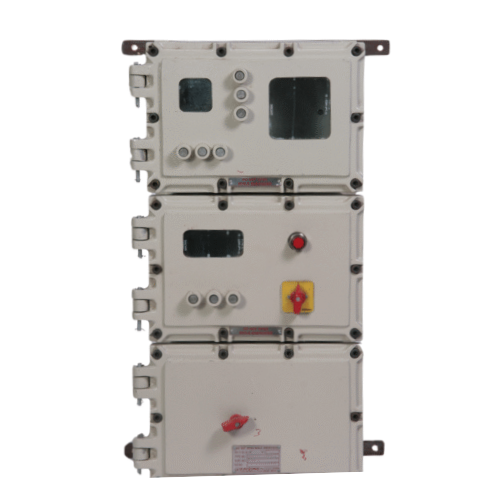
FLP DRIVE CONTROL PANEL

FLP DRIVE CONTROL PANEL

What is an FLP Drive Control Panel?
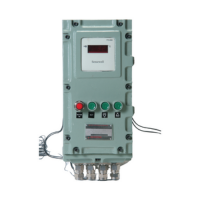
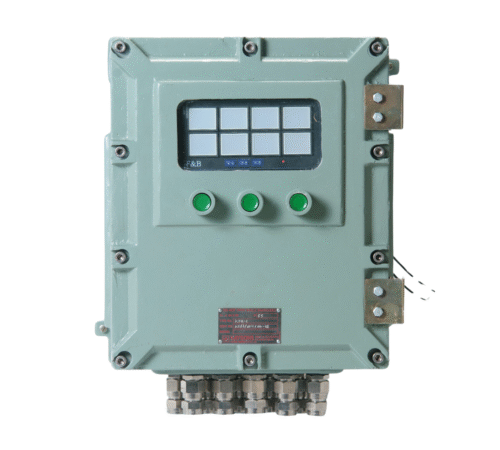
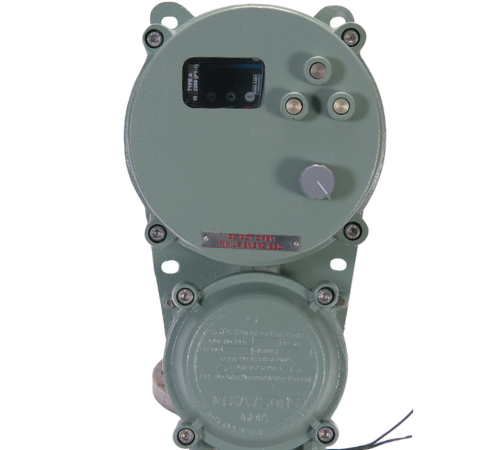
An FLP drive control panel is an electrical control system housed in a flameproof enclosure, designed to operate and monitor variable frequency drives (VFDs), motors, or other electrical equipment in hazardous areas. Certified for use in explosive atmospheres (e.g., gas groups I, IIA, IIB, or IIC) by standards like CIMFR (India), ATEX (Europe), or IECEx, the flameproof enclosure prevents internal sparks or heat from igniting surrounding flammable substances. These panels integrate components like VFDs, circuit breakers, and control interfaces to manage motor speed, torque, and other parameters while ensuring safety.

Description

How Does an FLP Drive Control Panel Work?

Key Components
1. Flameproof Enclosure: Constructed from robust materials like aluminum LM-6 or
stainless steel, certified for hazardous areas with ingress protection ratings like IP65 or
IP66.
2. Variable Frequency Drive (VFD): Controls motor speed and torque by adjusting the
frequency and voltage of the power supply, optimizing performance and energy
efficiency.
3. Control Devices: Includes push buttons, switches, or HMI (Human-Machine Interface)
touchscreens for operator control, often mounted on the enclosure or in a safe area.
4. Protection Devices: Circuit breakers, overload relays, and fuses protect the system from
electrical faults.
5. Instrumentation: Sensors and meters monitor parameters like current, voltage, or
temperature, with displays for real-time data.
6. Communication Interfaces: RS485 Modbus, Profibus, or Ethernet for integration with
SCADA, PLC, or DCS systems.
7. Cooling System: Fans or heat exchangers maintain safe operating temperatures within
the enclosure.
8. Power Supply: Typically operates on 230 V AC, 415 V AC, or 24 V DC, designed for
reliability in industrial settings.
Working Principle
ο‚· Power Input: The panel receives power from the main supply, which is distributed to the
VFD and other components.
ο‚· Motor Control: The VFD adjusts the motor’s speed and torque based on process
requirements, using inputs from sensors or operator commands.
ο‚· Monitoring: The panel monitors parameters like motor current, voltage, and temperature,
displaying data on HMI screens or meters.

ο‚· Safety: The flameproof enclosure contains any potential sparks or heat, ensuring safe
operation in hazardous areas (Zone 1 or Zone 2).
ο‚· Protection: Circuit breakers and relays protect against overcurrent, short circuits, or
motor faults, preventing damage to equipment.
ο‚· Communication: Data is transmitted to control systems via communication protocols,
enabling remote monitoring and control.
ο‚· Operator Interaction: Operators use push buttons, switches, or HMIs to start/stop
motors, adjust settings, or respond to alarms.
Applications

FLP drive control panels are used in industries requiring safe motor control in explosive
atmospheres:
1. Oil and Gas: Controlling pumps, compressors, and fans in refineries, pipelines, or
offshore platforms with flammable gases like methane or propane.
2. Chemical Processing: Managing agitators, mixers, or pumps in reactors and distillation
units handling volatile chemicals.
3. Pharmaceuticals: Operating equipment in manufacturing processes involving flammable
solvents or dust.
4. Mining: Controlling conveyor belts, ventilation fans, or crushers in underground mines
with explosive gases or dust.
5. Petrochemicals: Managing motors in processes like fuel production or solvent extraction
in hazardous environments.
6. Water Treatment: Operating pumps in facilities handling flammable gases or chemicals.

Advantages

Safety Compliance: Flameproof enclosures meet stringent standards (e.g., IS/IEC 60079,
ATEX) for safe operation in hazardous areas.
ο‚· Precise Control: VFDs enable accurate motor speed and torque control, improving
process efficiency and reducing wear.
ο‚· Energy Efficiency: Variable speed control reduces energy consumption compared to
fixed-speed systems.
ο‚· Robust Design: IP65/IP66-rated enclosures withstand harsh conditions like dust,
moisture, or corrosive environments.
ο‚· Versatility: Supports various motor types and control requirements, with customizable
configurations for specific applications.
ο‚· Integration: Communication interfaces enable seamless integration with SCADA, PLC,
or DCS systems for centralized control.
ο‚· Reliability: Built-in protection devices and cooling systems ensure long-term
performance and equipment safety.

Cart (0 items)

Product Enquiry