

Description
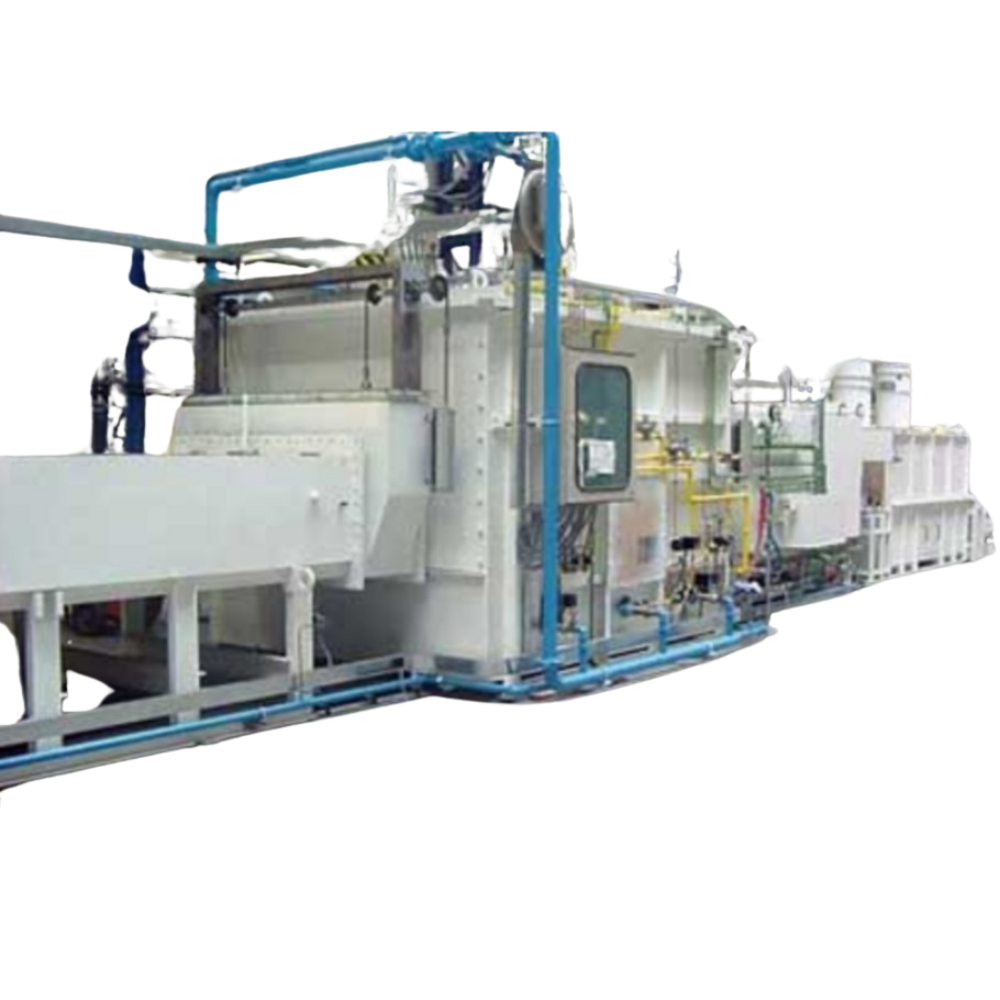
How Does a Heat Treatment Furnace Work?
Key Components
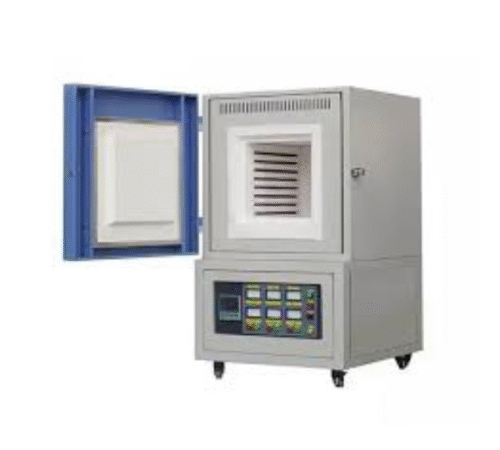
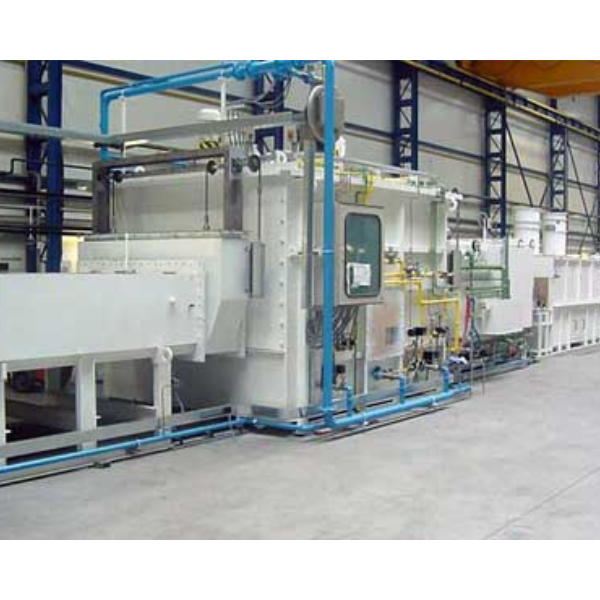
1. Furnace Chamber: The insulated enclosure where heating occurs, lined with refractory
materials to withstand high temperatures.
2. Heating System: Electric resistance heaters, gas burners, or induction coils provide the
necessary heat, often reaching 300–1400°C depending on the process.
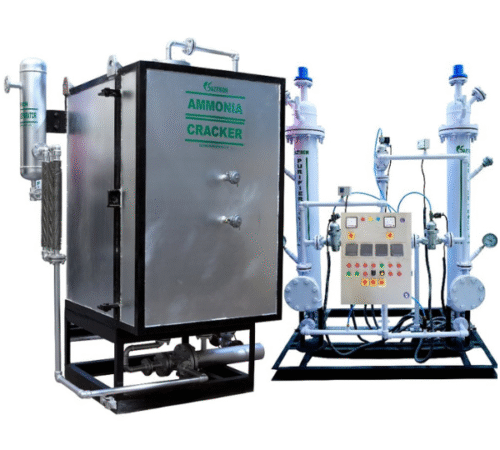
3. Atmosphere Control System: Introduces gases (e.g., nitrogen, argon, or carburizing
mixtures) to control oxidation or facilitate surface treatments.
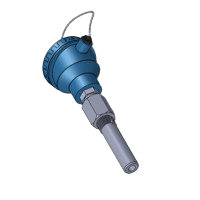
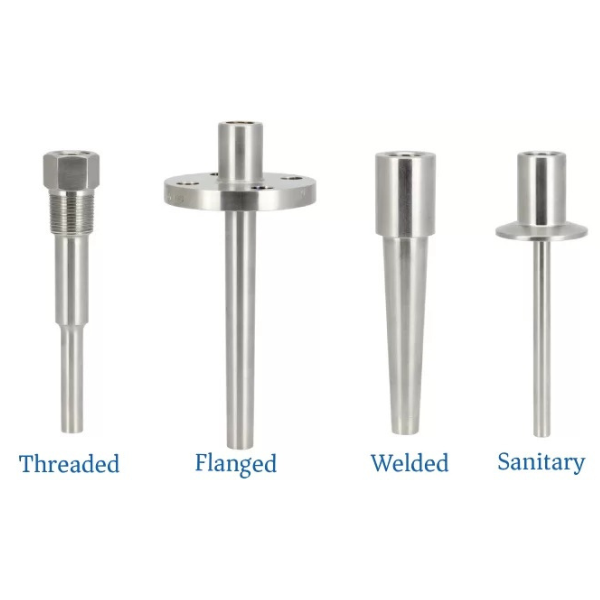
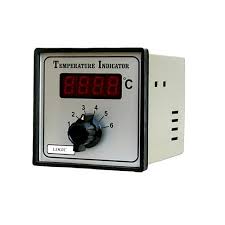
4. Temperature Control: Sensors and controllers ensure precise temperature regulation for
consistent results.
5. Cooling System: Manages controlled cooling or quenching in air, oil, water, or
specialized media.
Working Principle
Loading: Workpieces are placed in the furnace, either manually or via automated
systems.
Heating: The furnace heats the material to a specific temperature, often following a
precise heating profile.
Soaking: The material is held at the target temperature to allow uniform heat penetration
and microstructural changes.
Cooling: Controlled cooling or quenching alters the material’s properties, such as
hardness or toughness.
Unloading: Treated parts are removed for inspection or further processing.