


Hot Air Blower

What is an Electrical Hot Air Blower Generator?

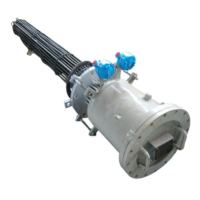
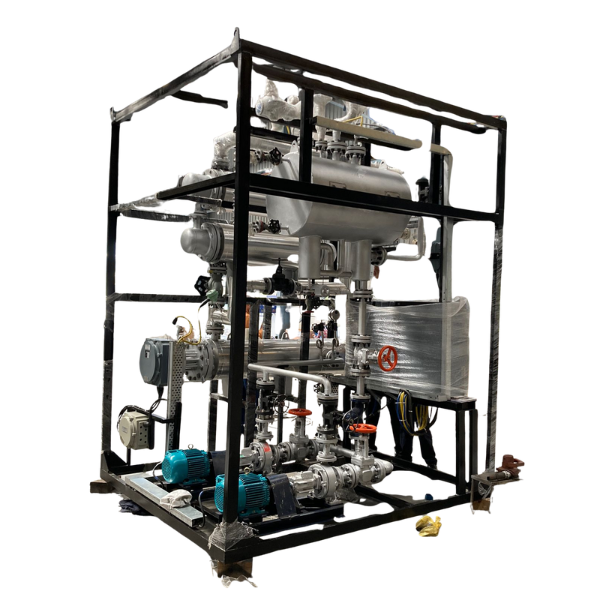
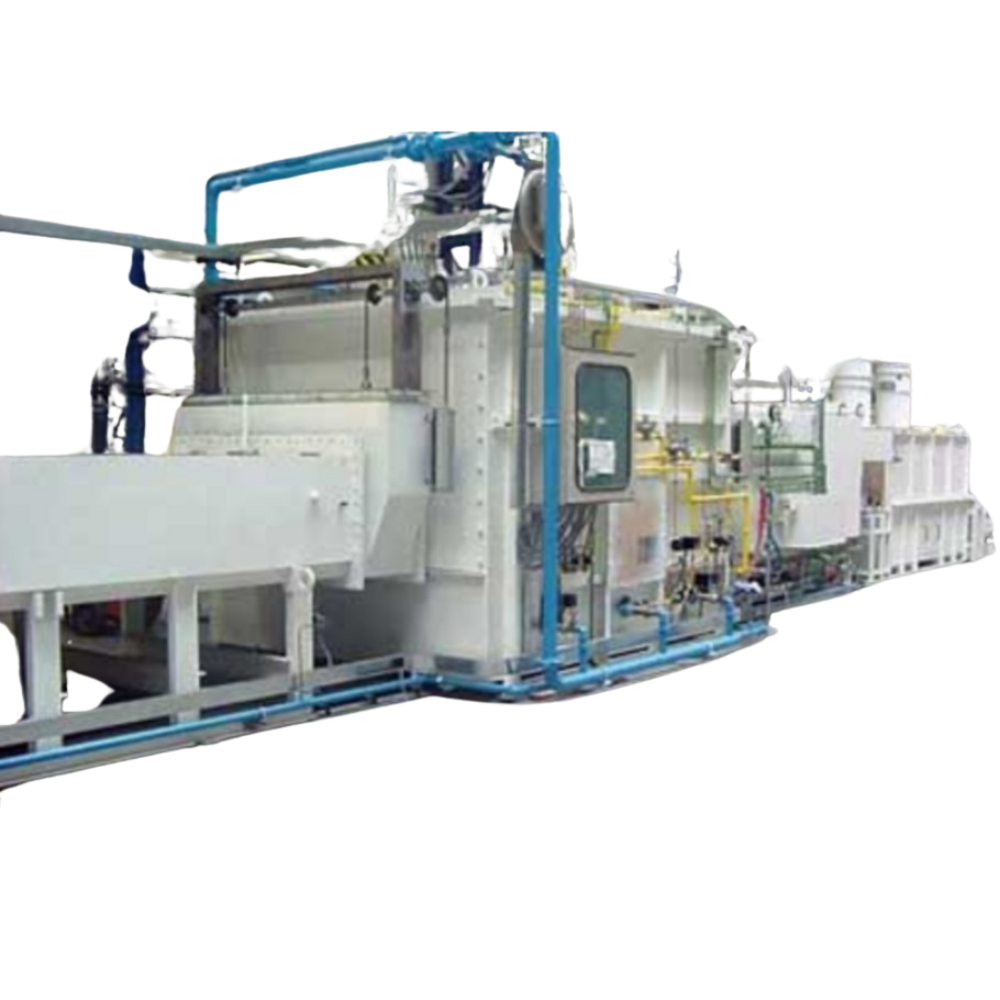
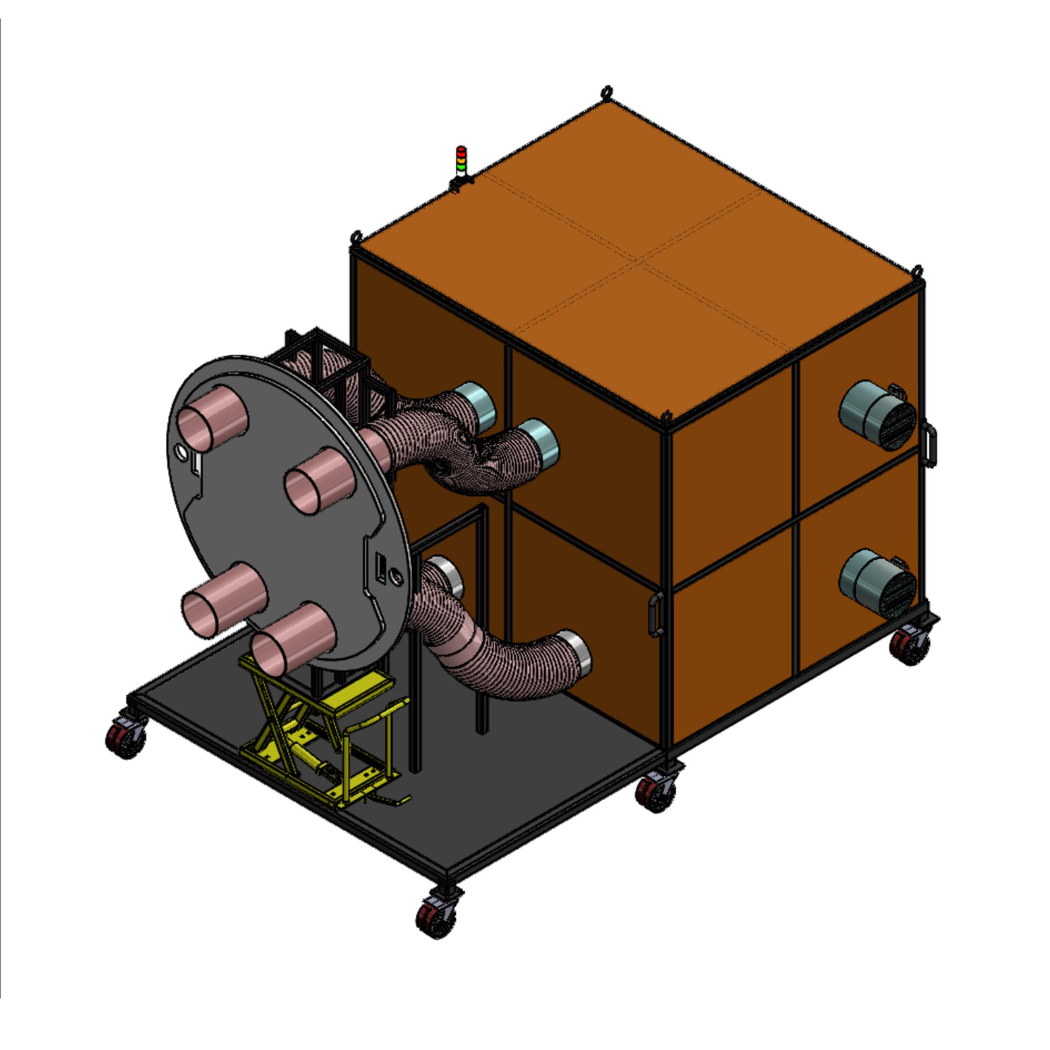
An electrical hot air blower generator is a heating system that uses electric elements to generate
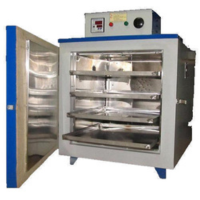
hot air, which is then circulated through a mold or curing chamber to harden composite
materials. Unlike traditional fuel-based systems (e.g., gas or diesel burners), these generators rely
on electricity, offering cleaner and more precise heating. A blower, often a Roots-type or
centrifugal fan, ensures consistent airflow to distribute heat evenly across the blade root mold,
achieving uniform curing.


Category:

Description

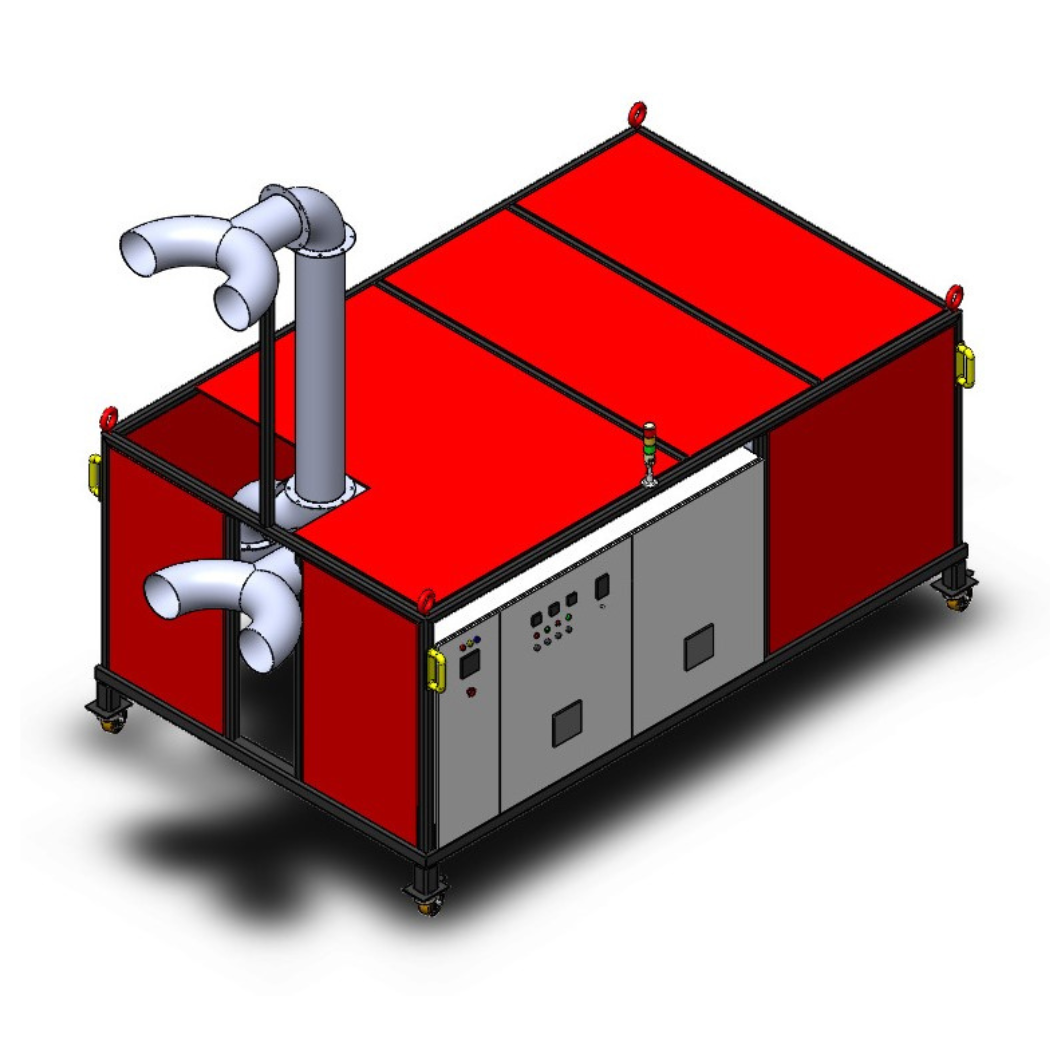
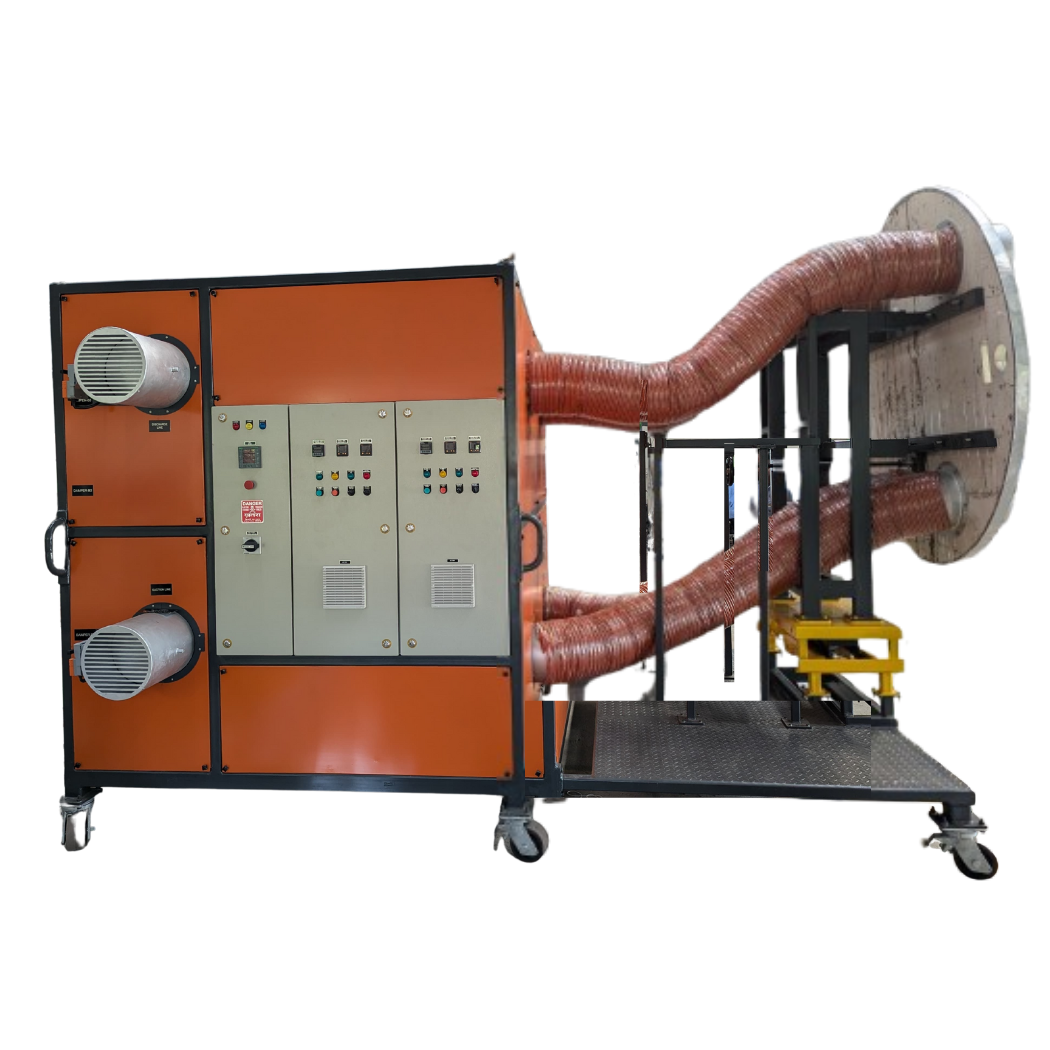
Key Components of an Electrical Hot Air Blower Generator

ο‚· Electric Heating Elements: Convert electrical energy into heat, typically using
resistance coils or ceramic heaters, capable of reaching temperatures up to 100Β°C or
more.
ο‚· Blower/Fan: Circulates hot air through the system, with Roots blowers preferred for their
steady, pulsation-free airflow at low to medium pressures.
ο‚· Heat Exchanger (Optional): Enhances efficiency by preheating incoming air or
recovering waste heat in advanced systems.
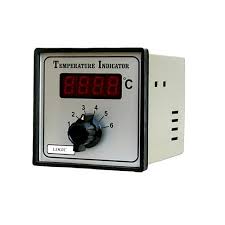
ο‚· Control System: Monitors and adjusts temperature, airflow, and curing time with high
precision, often integrated with digital or IoT-based interfaces.
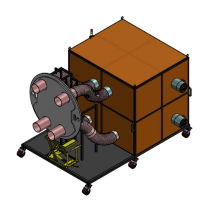
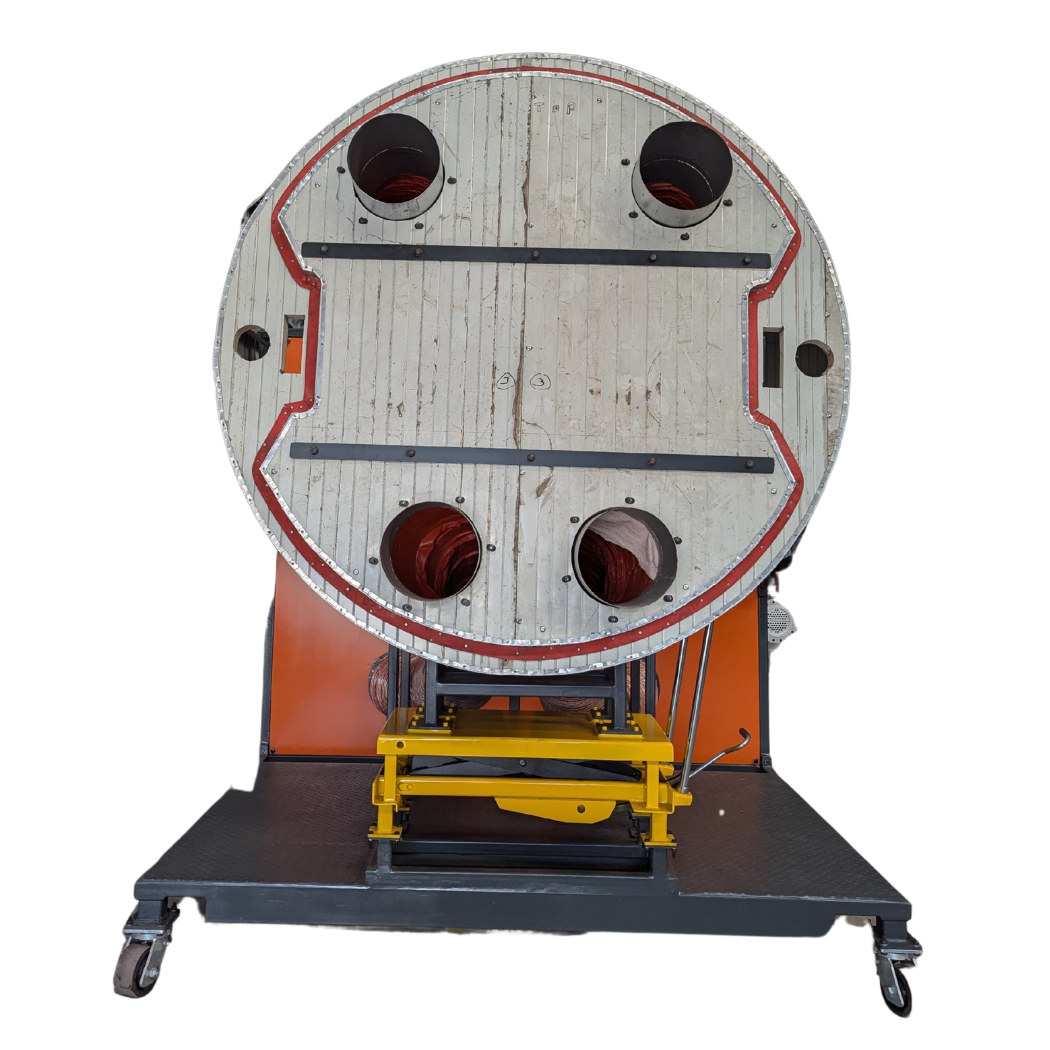
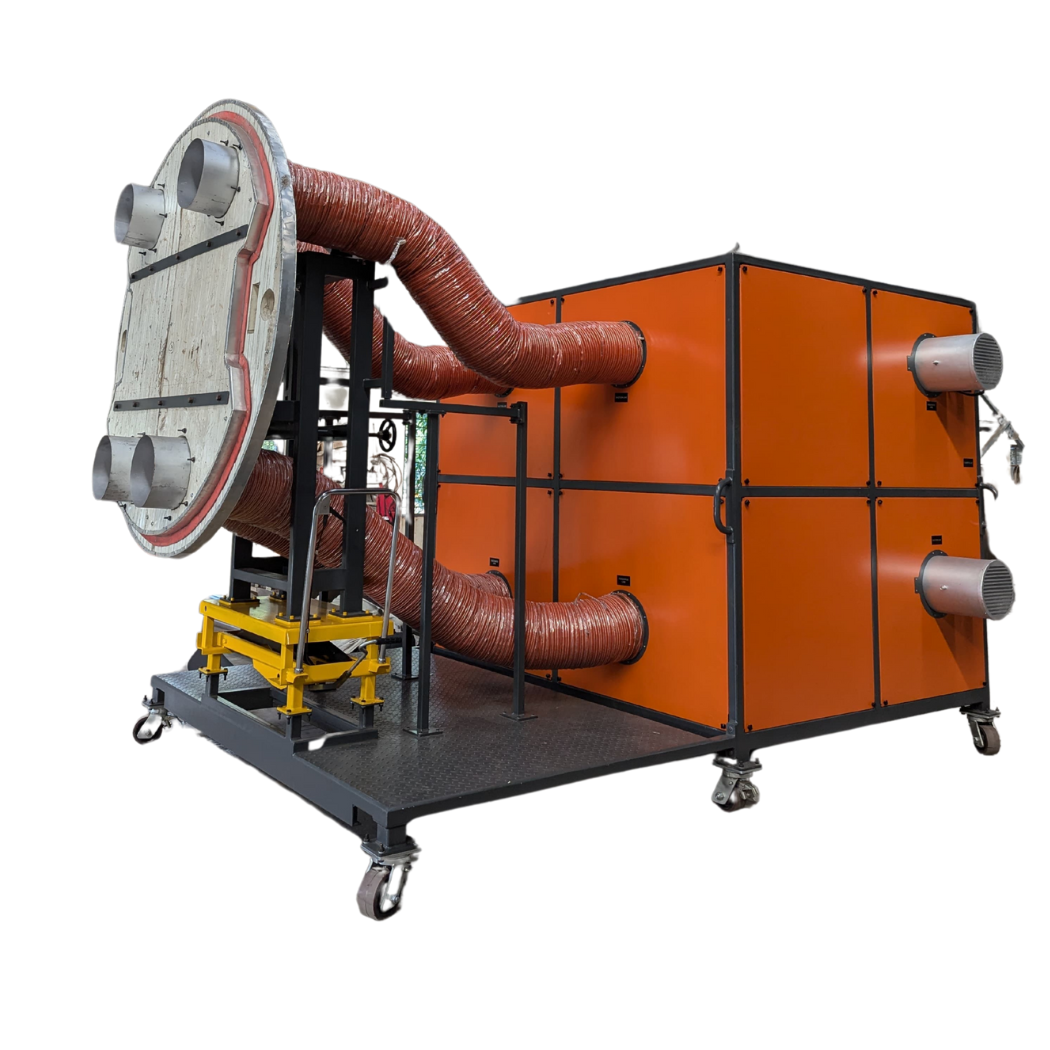
ο‚· Ducting: Directs hot air into the mold, ensuring even heat distribution across the blade
root surface.
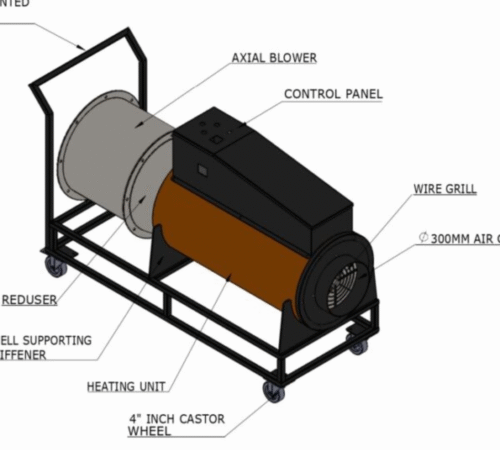

Role of Electrical Hot Air Blowers in Wind Blade Root Manufacturing

In wind blade root production, electrical hot air blower generators are integral to the curing
process, which involves:
1. Mold Preparation: Composite materials (fiberglass or carbon fiber with resin) are
layered into a mold designed for the blade root.
2. Heating and Curing: The electrical hot air blower generates and circulates hot air
(typically 40Β°C to 80Β°C, depending on the resin type) through the mold, initiating and
sustaining the resin’s chemical hardening process.
3. Uniform Heat Distribution: The blower ensures consistent airflow, preventing thermal
gradients that could cause defects like voids or weak spots in the composite.
4. Cooling and Demolding: After curing, the mold is cooled, and the solidified blade root
is removed for further processing or assembly.

The use of Roots blowers in these systems ensures a steady, high-volume airflow, critical for
maintaining uniform temperatures across large molds used for modern wind turbine blades,
which can exceed 100 meters in length.

Advantages of Electrical Hot Air Blower Generators

Electrical hot air blower generators offer significant benefits over traditional fuel-based systems
in wind blade root manufacturing:
1. Clean Operation: Unlike gas or diesel systems, electrical blowers produce no
combustion byproducts, reducing emissions and ensuring a contaminant-free curing
environment critical for high-quality composites.
2. Precise Temperature Control: Electric heating elements paired with advanced control
systems allow for fine-tuned temperature adjustments (within Β±1Β°C), minimizing the risk
of over- or under-curing.
3. Energy Efficiency: Modern electrical systems, especially those with variable-speed
Roots blowers and heat recovery, can reduce energy consumption by 20–30% compared
to fuel-based alternatives.
4. Sustainability: Powered by electricity, these systems can integrate with renewable
energy sources (e.g., solar or wind), aligning with the wind industry’s sustainability
goals.
5. Low Maintenance: With no burners or fuel lines, electrical systems have fewer moving
parts, reducing maintenance needs and downtime.
6. Safety: Eliminating fuel combustion reduces fire risks, making electrical blowers safer
for manufacturing facilities.

Applications in Wind Blade Manufacturing

Electrical hot air blower generators are used in various aspects of wind blade root production,
including:
ο‚· Onshore and Offshore Turbines: Ensuring robust blade roots for turbines operating in
diverse conditions, from steady onshore winds to corrosive offshore environments.
ο‚· Large-Scale Production: Supporting the curing of massive blade roots for multi-
megawatt turbines, where uniform heating is critical for structural integrity.
ο‚· Prototype and R&D: Providing precise curing for experimental blade designs, enabling
manufacturers to test new materials or configurations.
ο‚· Repairs: Facilitating localized heating for in-situ repairs of blade roots, extending turbine
lifespan and reducing maintenance costs.

Cart (0 items)

Product Enquiry