

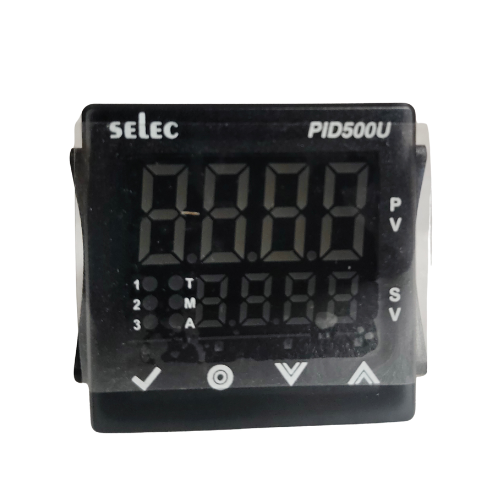
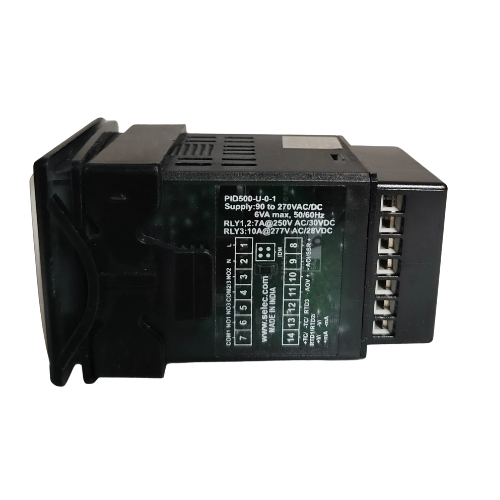
PID Controller

Proportional–Integral–Derivative Controller

At Senswell, we specialize in delivering high-performance PID Controllers tailored to industrial precision and process automation needs. As a proud distributor of NIPPON Instruments and Autonics, we bring you a wide range of control and instrumentation products designed for accuracy, reliability, and long-term durability.

A PID Controller is an advanced process control device used to maintain precise control over critical variables such as temperature, pressure, flow, level, or speed by minimizing error between a setpoint and a measured process value. It forms the backbone of modern industrial automation, ensuring stability, accuracy, and responsiveness.

Description

What is PID Control?

A PID controller uses three key control actions:

  • P (Proportional) – Reacts to the current error
  • I (Integral) – Corrects past cumulative errors
  • D (Derivative) – Predicts future errors based on the rate of change

These combined actions adjust output signals to valves, actuators, or other control elements, ensuring the system reaches and stays at the desired setpoint efficiently.

PID Contollers introduces state of art, truly universal, powerful PID controller with in-house design. The PID series is developed with state of art
microcontroller.

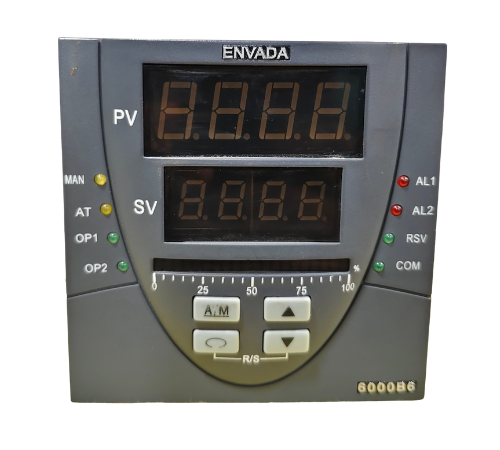
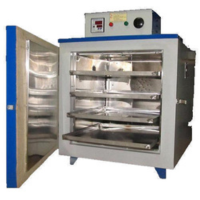
The robust hardware and software makes the controller very useful in noisy industrial environment. The PID finds applications in Industrial Ovens, Muffle Furnaces, B.O.D. Incubators, Humidity Chambers, Environmental Chambers, Sterilizers, Blood Bank Equipments, Constant Temperature Baths, Packaging, Plastic Moulding, Thyristors Heat Controllers, Motor Controllers, Controlled Melting, Valve Control…etc.
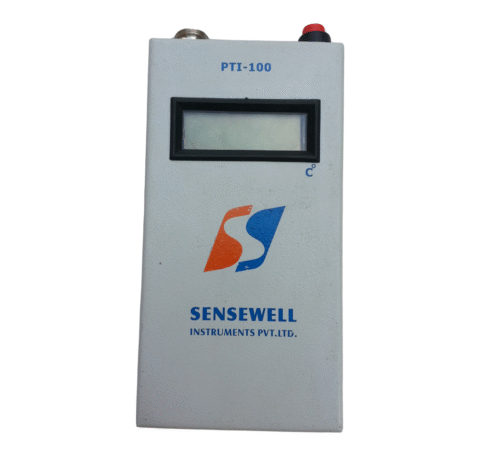
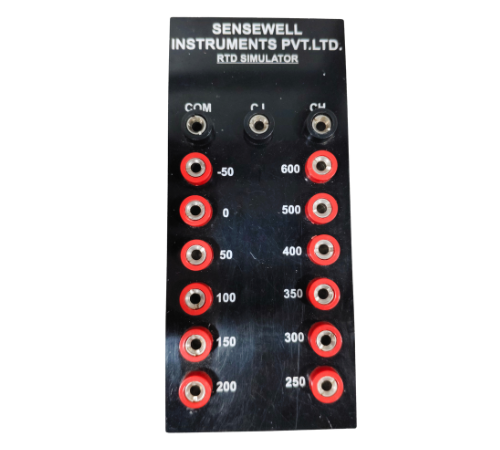
Features

Key Features

  • Input Types:
  • RTD (PT100), Thermocouples (J, K, T, R, S)
  • Analog signals (4–20 mA, 0–10 VDC)
  • Control Outputs:
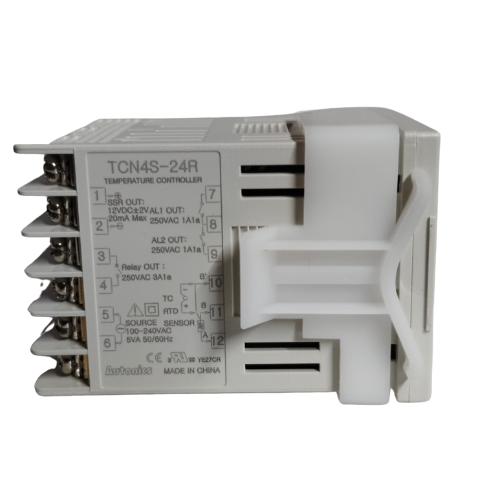
  • Relay (ON/OFF control)
  • SSR (Solid-State Relay) output
  • 4–20 mA / 0–10 VDC linear analog output
  • Display:
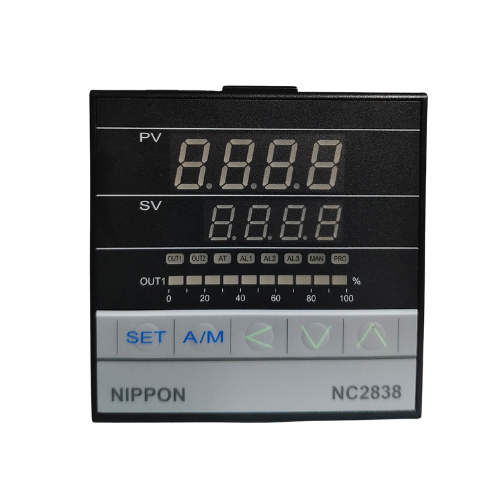
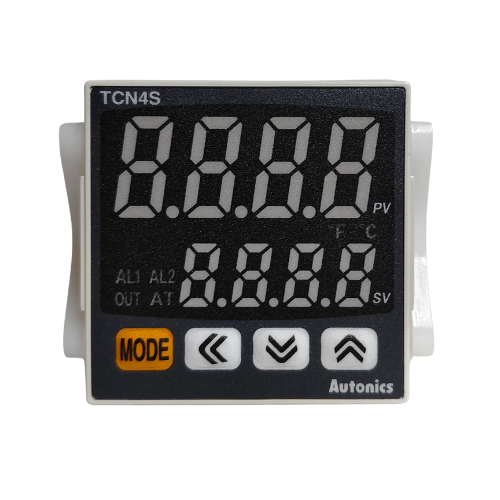
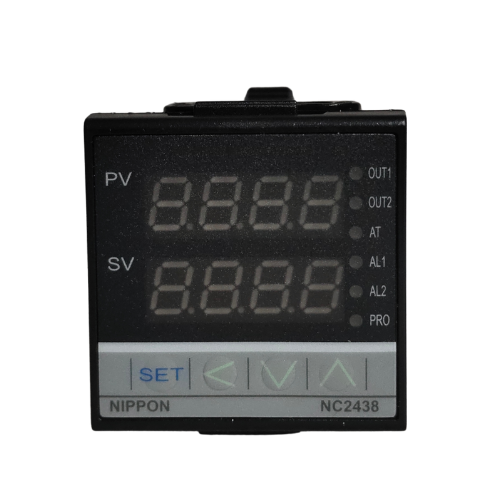
  • Dual LED display for Process Value (PV) and Set Value (SV)
  • Optional bar graph or status indicators
  • Control Modes:
  • ON/OFF
  • PID (Auto/Manual tuning)
  • Tuning Options:
  • Auto Tuning / Self Tuning
  • Manual PID parameter setting
  • Power Supply: 85–265 VAC or 24 VDC
  • Communication (Optional): RS-485 / MODBUS RTU for SCADA or PLC integration
  • Mounting: Panel mounted (DIN standard)

Benefits

Benefits

  • Precise Process Control – Maintains desired output under varying loads
  • Energy Efficiency – Reduces overshoot and process variability
  • Wide Compatibility – Accepts a range of sensor and signal inputs
  • Compact and Reliable – Suitable for tight control panels and harsh environments
  • Remote Monitoring & Integration – Via MODBUS or other protocols

Types

Types of PID Controllers

Type Features
Single Loop PID Basic one-variable control
Dual Loop PID Controls two separate processes simultaneously
Ramp/Soak PID Programmable setpoints for time-based control
Programmable PID Custom control algorithms with logic blocks
Cart (0 items)

Product Enquiry