

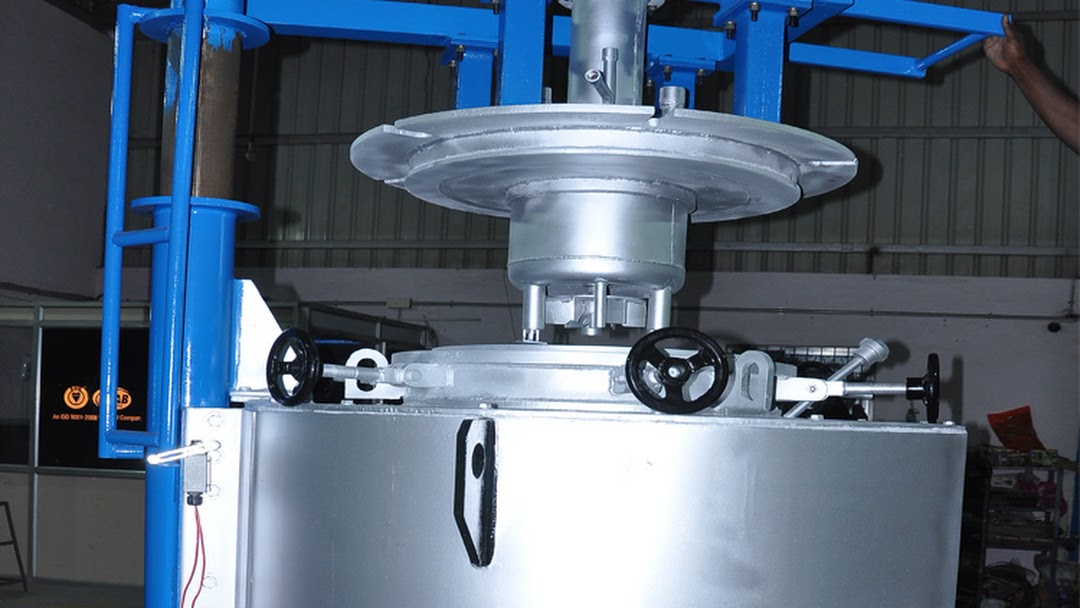
PIT FURNACE (TEMPERATURE UPTO 1100°C)

PIT FURNACE (TEMPERATURE UPTO 1100°C)

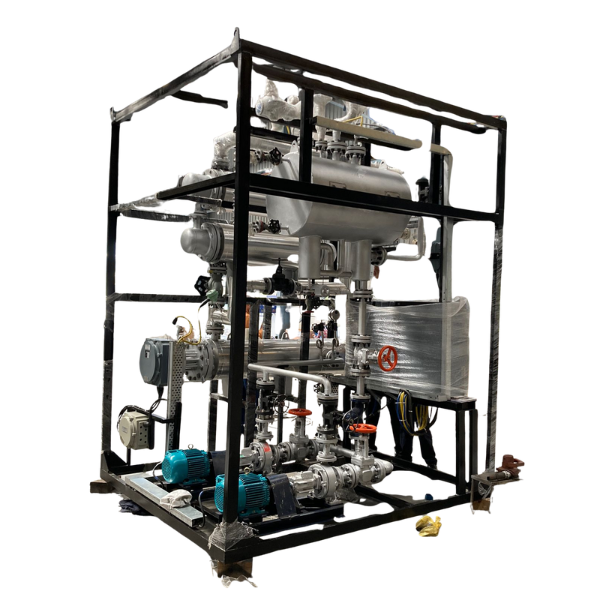
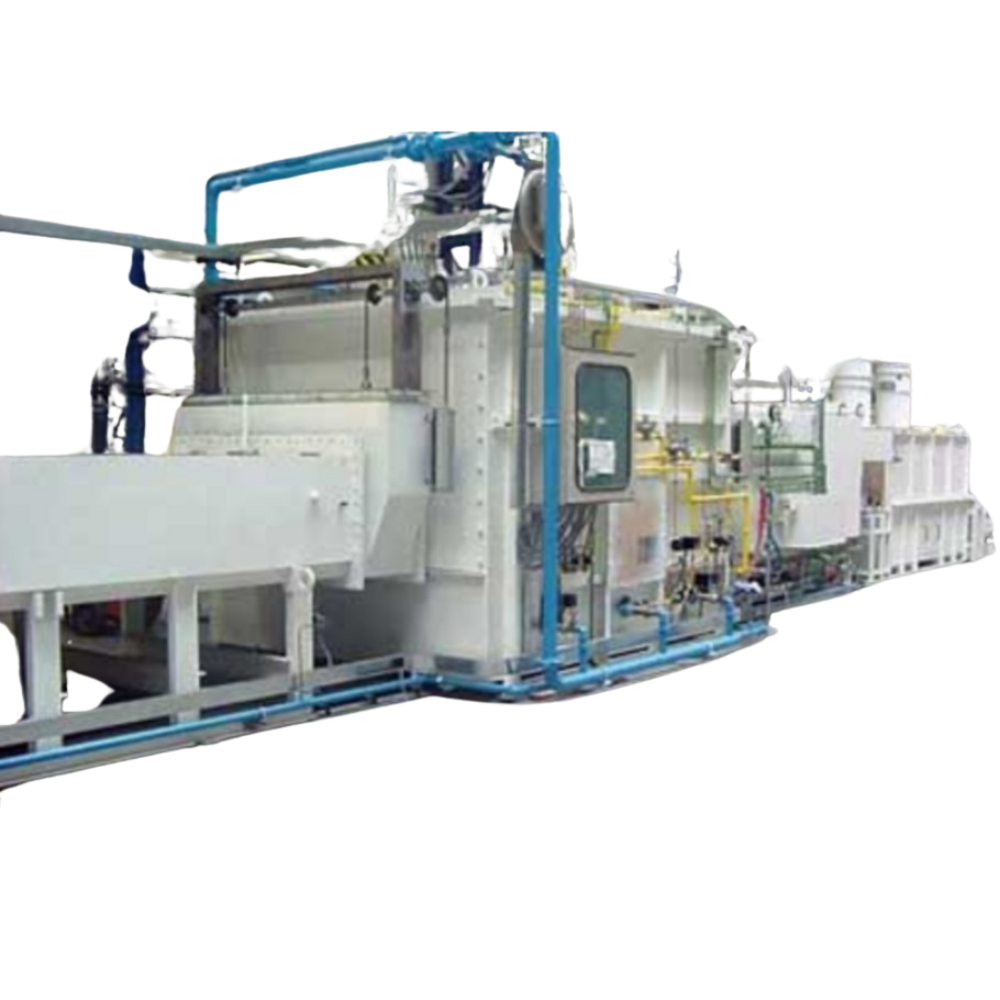
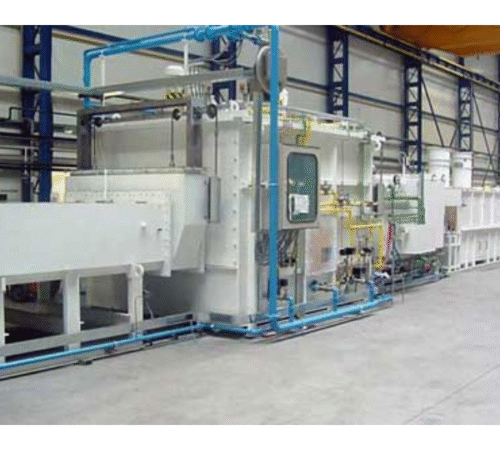
A PIT furnace is a cylindrical, vertically oriented furnace typically installed below ground level or in a pit, hence the name. It is designed to heat treat large, heavy, or elongated workpieces by subjecting them to controlled high temperatures in a contained environment. These furnaces are used for processes like annealing, tempering, carburizing, nitriding, and hardening, which enhance the mechanical properties of metals and alloys. The furnace consists of a cylindrical chamber, often lined with refractory materials, and is equipped with heating elements (electric or gas-fired) and a system for controlling the atmosphere inside the chamber to prevent oxidation or achieve specific surface treatments.

Category:

Description

How Does a PIT Furnace Work?

Key Components

1. Furnace Chamber: A cylindrical, insulated chamber that houses the workpiece and withstands high temperatures.
2. Heating System: Electric resistance heaters or gas burners provide the necessary heat, often reaching temperatures up to 1200°C or higher, depending on the process.
3. Atmosphere Control: Systems to introduce gases like nitrogen, argon, or carburizing mixtures to control the furnace atmosphere and achieve desired material properties.
4. Lifting Mechanism: A crane or hoist system to load and unload heavy workpieces into the vertical chamber.
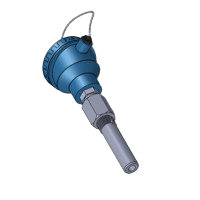
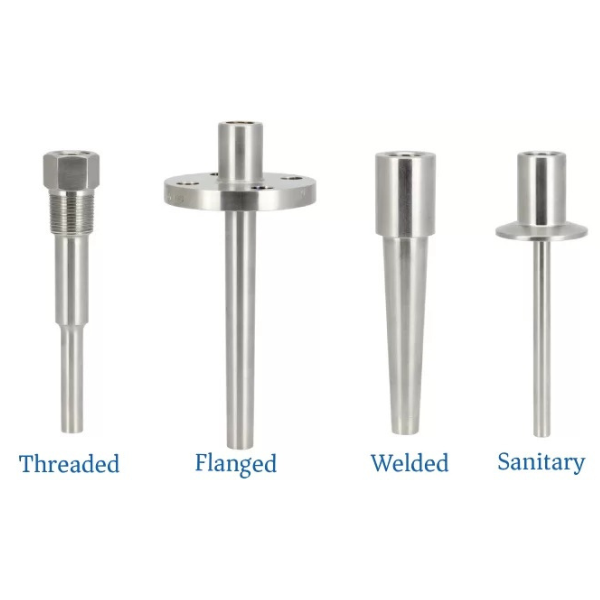
5. Temperature Control: Advanced sensors and control systems ensure precise temperature regulation for consistent heat treatment results.

Working Principle
 Loading: The workpiece is lowered into the furnace chamber using a hoist or crane.
 Heating: The furnace is heated to the desired temperature, with the heating elements uniformly distributing heat around the workpiece.
 Atmosphere Management: Controlled gases are introduced to prevent oxidation or to facilitate processes like carburizing or nitriding.
 Processing: The workpiece is held at the target temperature for a specific duration, depending on the heat treatment process.
 Cooling: After treatment, the workpiece is cooled either inside the furnace (in a controlled atmosphere) or removed for quenching in oil, water, or air.
 Unloading: The treated workpiece is lifted out of the furnace for further processing or inspection.
Applications of PIT Furnaces

PIT furnaces are versatile and find applications across various industries due to their ability to
handle large and heavy components:
1. Heat Treatment of Large Parts: Used for annealing, normalizing, or hardening large
metal components like gears, shafts, and forgings.
2. Carburizing and Nitriding: Enhances surface hardness and wear resistance of
components like automotive gears and tools by introducing carbon or nitrogen into the
surface.
3. Aerospace Components: Treats critical parts like turbine blades and landing gear,
ensuring high strength and durability.
4. Tool and Die Manufacturing: Improves the toughness and wear resistance of tools and
dies used in manufacturing.
5. Forging and Casting: Prepares or treats large forgings and castings to achieve desired
mechanical properties.

Advantages of PIT Furnaces

Space Efficiency: The vertical design saves floor space, making it ideal for facilities with
limited area.
 Uniform Heating: The cylindrical shape ensures even heat distribution, resulting in
consistent treatment of large workpieces.
 Versatility: Suitable for a wide range of heat treatment processes and materials,
including steel, aluminum, and alloys.
 Atmosphere Control: Precise control over the furnace atmosphere enables specialized
treatments like carburizing and nitriding.
 Handling Large Parts: The vertical orientation and lifting mechanisms make it easy to
process heavy or long components.

Cart (0 items)

Product Enquiry