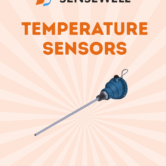



Temperature Sensor in Vadodara, Gujarat | Types, Working
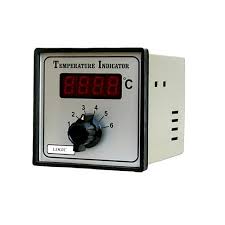
A temperature sensor in Vadodara, Gujarat is one of the most essential devices used in modern industrial, commercial, and domestic systems. A temperature sensor is designed to measure temperature and convert it into an electrical signal that can be read, monitored, and controlled. From heavy industries to home appliances, the temperature plays a critical role in ensuring safety, efficiency, and accuracy.
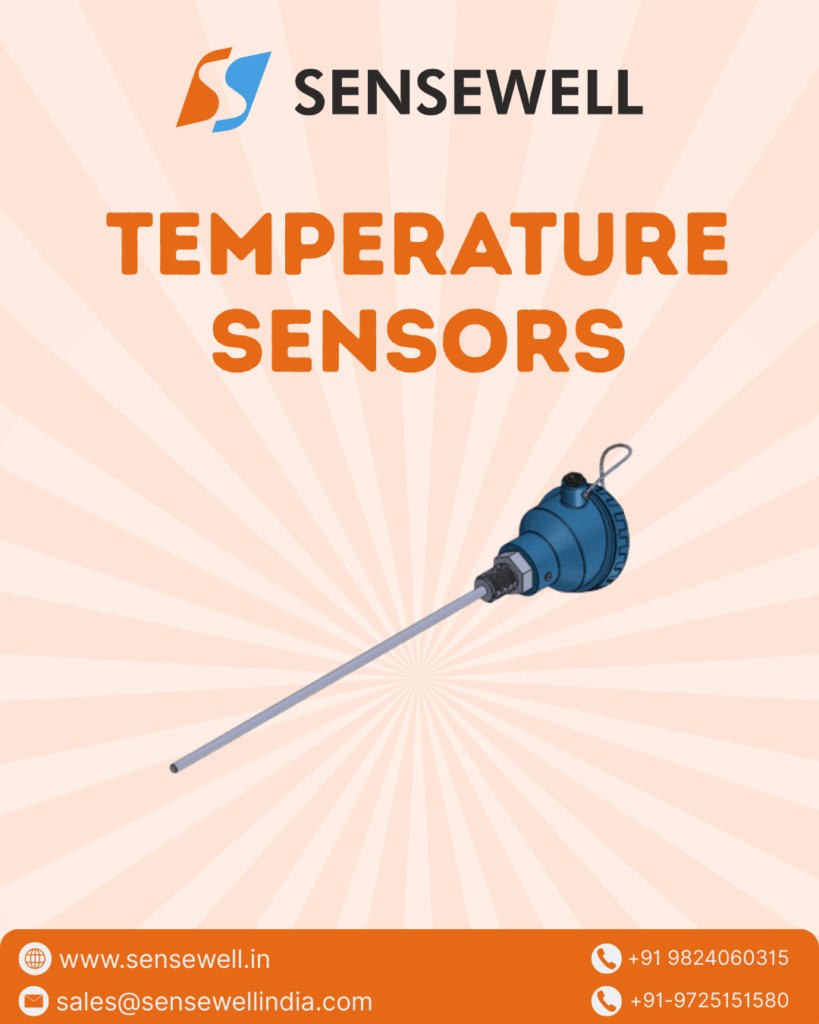
See this product
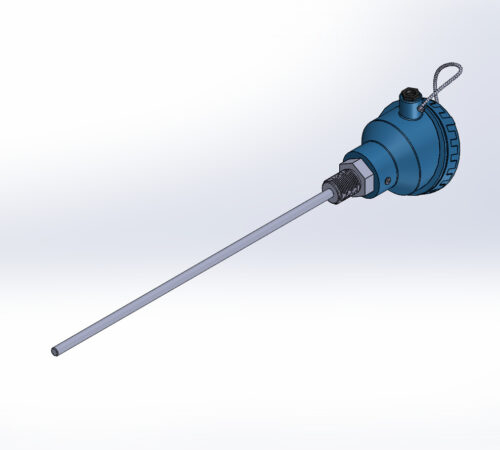
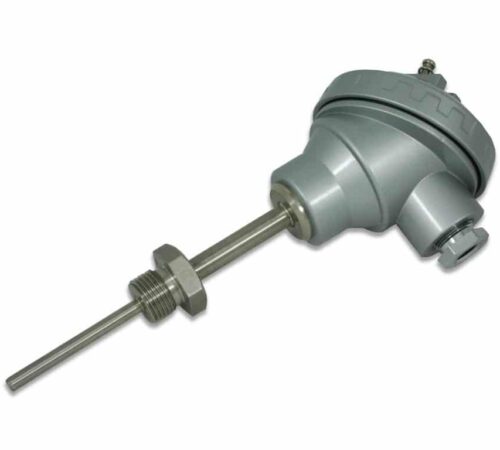
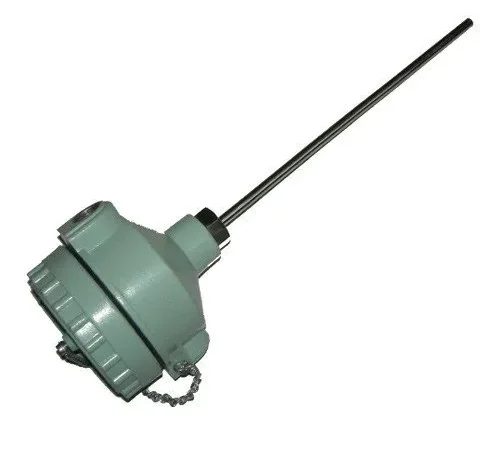
In today’s automation-driven world, the demand for accurate and reliable temperature has increased rapidly. Industries rely heavily on temperature to maintain process stability, improve product quality, and reduce operational risks. This article explains everything about temperature, their working principle, major types, and applications, with special focus on FLP sensors, thermocouples, and RTDs.
What is a temperature sensor?
A temperature is a device that detects and measures temperature changes in an environment, object, or system. The temperature works by sensing heat or cold and converting that data into an electrical output such as voltage, resistance, or current.
Temperature are widely used in industries such as oil & gas, power plants, chemical processing, food & beverage, pharmaceuticals, HVAC systems, and electronics. Without a temperature
, maintaining safe operating conditions would be nearly impossible.
Importance of Temperature in Industrial Applications
The temperature is critical because temperature directly affects the performance, safety, and durability of equipment. Incorrect temperature measurement can lead to equipment failure, product damage, or hazardous conditions.
Key benefits of using a temperature include
- Accurate temperature monitoring
- Improved process control
- Enhanced safety
- Energy efficiency
- Longer equipment life
Every industrial automation system relies on temperature to maintain optimal working conditions.
Types of Temperature Sensor in Vadodara, Gujarat
There are several types of temperature sensors available, each designed for specific applications. Among them, FLP temperature sensors, thermocouples, and RTDs are the most widely used and reliable.
FLP Temperature
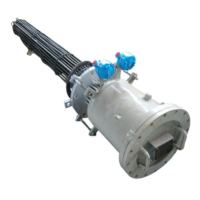
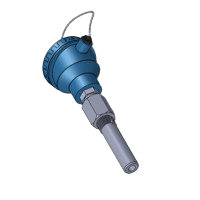
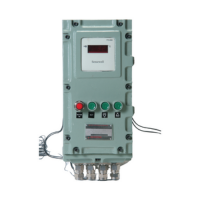
An FLP Temperature Sensor (Flameproof Temperature) is specially designed for hazardous and explosive environments. The FLP temperature is used in industries where flammable gases, vapors, or dust are present, such as oil refineries, chemical plants, and gas processing units.
Features of FLP Temperature Sensor
- Explosion-proof design
- High durability in harsh environments
- Accurate temperature measurement
- Safe operation in hazardous zones
- Compliance with industrial safety standards
The FLP temperature prevents ignition of surrounding gases by containing any internal explosion within the sensor housing. This makes the FLP temperature ideal for critical safety applications.
Applications of FLP Temperature Sensor
- Oil & gas industries
- Petrochemical plants
- Offshore platforms
- Chemical processing units
- Mining operations
In hazardous locations, using a standard temperature can be risky, which is why FLP temperatures are mandatory.
Thermocouple Temperature Sensor
A thermocouple temperature is one of the most commonly used temperature due to its wide temperature range and rugged construction. A thermocouple temperature works on the principle of the Seebeck effect, where a voltage is generated when two dissimilar metals are joined and exposed to temperature differences.
Advantages of Thermocouple Temperature Sensor
- Wide temperature measurement range
- Fast response time
- High durability
- Suitable for extreme temperatures
- Cost-effective
Thermocouple temperatures are available in different types, such as Type K, Type J, Type T, Type R, and Type S, each designed for specific temperature ranges and applications.
Applications of Thermocouple Temperature
- Furnaces and kilns
- Power plants
- Boilers
- Automotive exhaust systems
- Metal processing industries
Due to their ability to withstand high temperatures, thermocouple temperatures are widely used in heavy industries.
RTDs Temperature
An RTD temperature (Resistance Temperature Detector) is known for its high accuracy and stability. The RTD temperature works by measuring changes in electrical resistance of a metal (usually platinum) as temperature changes.
Key Characteristics of RTDs Temperature
High accuracy and repeatability
- Excellent long-term stability
- Linear temperature response
- Suitable for precision applications
Applications of RTDs Temperature
- Pharmaceutical industries
- Food processing units
- Laboratories
- HVAC systems
- Power generation plants
When precise temperature measurement is required, RTD temperatures are the preferred choice.
Comparison Between FLP Temperature Sensor, Thermocouple, and RTDs
| Feature | FLP Temperature | Thermocouple | RTDs |
|---|---|---|---|
| Safety | Explosion-proof | Standard | Standard |
| Accuracy | High | Moderate | Very High |
| Temperature Range | Wide | Very Wide | Limited |
| Response Time | Medium | Fast | Medium |
| Application | Hazardous areas | High temperature | Precision measurement |
Each temperature type has its own advantages depending on the application requirements.
Choosing the Right Temperature
Selecting the right temperature depends on several factors:
- Operating temperature range
- Accuracy requirement
- Environmental conditions
- Safety standards
- Response time
- Cost
For hazardous areas, an FLP temperature is essential. For extreme temperatures, a thermocouple temperature is ideal. For high accuracy and stability, RTD temperatures are the best choice.
Applications of Temperature Across Industries
Temperature are used in almost every industry, including
- Oil and gas
- Power generation
- Food and beverage
- Pharmaceuticals
- Automotive
- Electronics
- HVAC
The reliability of any automated system largely depends on the performance of the temperature.
Future of Temperature Sensor Technology
With advancements in automation and Industry 4.0, temperature sensors are becoming smarter and more efficient. Modern temperature are now integrated with digital communication protocols, wireless monitoring, and IoT platforms. This allows real-time temperature monitoring and predictive maintenance.
The demand for advanced temperature will continue to grow as industries move toward smarter and safer operations.
Top Customized Heating Systems in Vadodara, India
FAQs
1. What is a temperature sensor used for?
A temperature is used to measure temperature and convert it into an electrical signal for monitoring and control in industrial and commercial applications.
2. What is an FLP temperature sensor?
An FLP temperature is a flameproof sensor designed for hazardous and explosive environments to ensure safe temperature measurement.
3. Which temperature sensor is most accurate?
RTD temperatures are considered the most accurate and stable for precision temperature measurement.
4. Why are thermocouple temperature sensors widely used?
Thermocouple thermometers are widely used because they can measure very high temperatures and offer fast response times.
5. How do I choose the right temperature sensor?
Choosing the right temperature depends on temperature range, accuracy, environment, safety requirements, and application