

Industrial Heating System Failures & Fixes 2026 Ultimate Guide
Learn how industrial heating systems fail, the causes of downtime, and proven prevention methods to improve efficiency and reliability.
Table of Contents (TOC)
- Introduction to Industrial Heating Systems
- Common Types of Industrial Heating Systems
- Major Causes of Heating System Failures
- Early Warning Signs of System Malfunctions
- Overheating Issues and Their Fixes
- Insulation Failures and Energy Loss Problems
- Electrical Faults in Heating Systems
- Temperature Control & Sensor Failures
- Maintenance Best Practices for Reliability
- Preventive Measures to Avoid Breakdown
- Cost Impact of System Failures
- Advanced Solutions & Modern Upgrades (2026 Trends)
- Conclusion
How Industrial Heating Systems Fail and How to Prevent Downtime
Introduction
In industrial operations, heating systems rarely fail “suddenly.” Most breakdowns are silent at first—small efficiency drops, uneven heating, or insulation wear that slowly turns into full shutdowns.
And here’s the real issue:
Most downtime in heating systems is preventable.
Whether it’s a process heater, heating jacket, or insulation system, failure usually comes from predictable causes. The challenge is that these warning signs are often ignored until production stops.
This guide breaks down industrial heating system failure, why it happens, and how industries can practically prevent costly downtime.
What is Industrial Heating System Failure?
Industrial heating system failure refers to the loss of proper temperature control, heat transfer efficiency, or system functionality in industrial heating equipment such as heaters, insulation jackets, or process heating units.
In simple terms, the system either:
- Stops heating effectively
- Consumes more energy than required
- Or becomes unsafe for continuous operation
Common examples include:
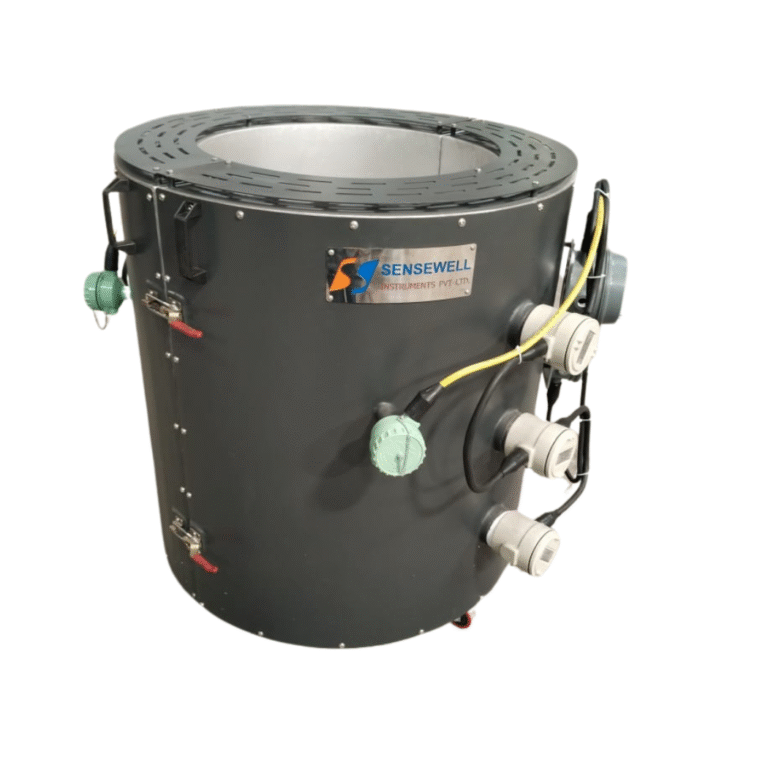
- Heating jacket malfunction
- Thermal insulation breakdown
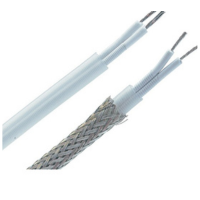
- Electrical heater failure
- Uneven heat distribution in pipelines or tanks
Why is Industrial Heating Downtime Important?
Downtime in heating systems directly impacts production continuity. In industries like chemicals, food processing, pharmaceuticals, and manufacturing, temperature control is not optional—it is critical.
Key business impacts:
- Production delays
- Product quality variation
- Increased energy consumption
- Equipment damage risk
- Higher maintenance costs
In real-world terms, even a few hours of heating failure can lead to batch rejection or full process shutdown.
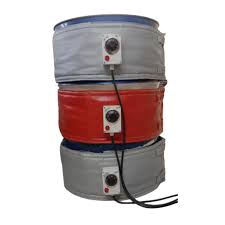
How Do Industrial Heating Systems Fail? (Process Breakdown)
Most failures follow a pattern. Understanding it helps prevent it.
1. Insulation Degradation
Thermal insulation wears out over time due to heat cycling, moisture, and mechanical stress.
2. Poor Maintenance Practices
Lack of routine inspection leads to unnoticed damage in heating elements or jackets.
3. Electrical or Control Failures
Faulty sensors, wiring issues, or controller malfunctions disrupt temperature regulation.
4. Mechanical Stress
Vibration and expansion/contraction weaken system components.
5. Improper Installation
Incorrect fitting of heating jackets or insulation leads to heat leakage from day one.
When Should You Worry About System Failure?
Warning signs are usually visible before a breakdown:
- Uneven surface temperature
- Rising energy consumption
- Longer heating time than usual
- Visible insulation cracks or gaps
- Frequent thermostat fluctuations
If any of these appear, the system is already under stress.
Who Should Focus on Prevention?
Industrial heating system reliability is critical for:
- Chemical processing plants
- Pharmaceutical manufacturers
- Food & beverage units
- Oil & gas pipelines
- Packaging and plastic industries
- Thermal processing units
Basically, any industry where temperature consistency affects output quality.
Advanced Troubleshooting Techniques for Industrial Heating Systems
Modern industrial heating systems are becoming more complex due to automation, IoT integration, and high-precision temperature requirements. Traditional troubleshooting methods are no longer sufficient in many cases. Advanced diagnostic techniques help identify hidden inefficiencies before they turn into major failures.
One of the most effective approaches is thermal imaging analysis. Infrared cameras detect abnormal heat patterns across heaters, insulation jackets, and electrical connections. Hotspots often indicate loose wiring, degraded insulation, or uneven heat distribution.
Another critical method is vibration analysis in systems involving mechanical heating components. Unusual vibration patterns may indicate misalignment, worn-out bearings, or internal structural stress that can indirectly affect heating efficiency.
Role of Smart Sensors and Automation in Failure Prevention
The adoption of smart sensors has significantly improved industrial heating reliability. These sensors continuously monitor:
- Temperature fluctuations
- Energy consumption patterns
- Voltage and current stability
- Surface heat distribution
When integrated with PLC or SCADA systems, these sensors enable real-time alerts and automated shutdown mechanisms. This reduces the risk of overheating, fire hazards, and equipment damage.
Predictive maintenance systems powered by AI also analyze historical performance data. They identify patterns that indicate potential failure weeks in advance, allowing maintenance teams to act proactively instead of reactively.
Energy Efficiency Optimization in Heating Systems
Energy inefficiency is one of the most overlooked issues in industrial heating systems. Even small inefficiencies can lead to significant operational costs over time.
Key optimization strategies include:
1. Proper Insulation Upgrades
Using high-grade insulation jackets reduces heat loss and improves system stability. Materials like fiberglass, ceramic fiber, and silicone-coated fabrics are widely used in industrial environments.
2. Load Balancing
Uneven load distribution across heating zones causes overheating in some areas while underheating others. Proper load balancing ensures uniform heat output.
3. Regular Calibration
Temperature controllers and sensors must be recalibrated periodically to maintain accuracy. Even a small deviation of 2–3°C can affect product quality in sensitive industries.
Environmental and Safety Compliance Considerations
Industrial heating systems must comply with safety and environmental regulations. Non-compliance can lead to operational shutdowns, penalties, and serious safety hazards.
Important compliance factors include:
- Maximum allowable surface temperature limits
- Proper insulation to reduce energy wastage
- Electrical safety grounding standards
- Fire resistance requirements for heating materials
Regular audits ensure that systems meet ISO and industrial safety standards. Companies are increasingly adopting eco-efficient heating systems to reduce carbon emissions and energy consumption.
Common Industry Mistakes That Lead to System Failures
Despite advanced technology, many failures occur due to basic operational mistakes:
- Ignoring early warning signals like minor temperature fluctuations
- Skipping preventive maintenance schedules
- Using low-quality replacement parts
- Overloading heating systems beyond design capacity
- Improper installation of insulation jackets
These mistakes may seem minor initially but can result in system downtime, production loss, and costly repairs.
Future Trends in Industrial Heating Systems (2026 & Beyond)
The industrial heating sector is rapidly evolving with technological advancements. Key trends include:
1. AI-Based Predictive Maintenance
Systems will increasingly rely on machine learning to predict failures before they occur.
2. Energy-Efficient Smart Heaters
Next-generation heaters will automatically adjust output based on environmental conditions.
3. Wireless Monitoring Systems
Eliminating wired sensors reduces installation complexity and improves scalability.
4. Sustainable Heating Solutions
Industries are shifting toward low-emission and energy-efficient heating technologies to meet global sustainability goals.
Final Technical Insight
Industrial heating system reliability is no longer dependent only on mechanical strength. It now requires a combination of smart monitoring, preventive maintenance, and energy optimization strategies. Companies that adopt modern diagnostic tools and predictive systems experience significantly lower downtime and improved operational efficiency.
Which Solution Works Best for Preventing Downtime?
There is no single fix, but the most effective approach combines:
✔ High-quality insulation systems
✔ Properly designed heating jackets
✔ Routine thermal inspection
✔ Preventive maintenance schedules
| Approach | Effectiveness | Risk Reduction |
|---|---|---|
| Reactive repair | Low | Low |
| Scheduled maintenance | Medium | Medium |
| Preventive insulation + monitoring | High | High |
Preventive systems consistently outperform reactive maintenance in cost and reliability.
Why Choose Sensewell for Industrial Heating Solutions
Industrial heating reliability depends heavily on system design and insulation quality.
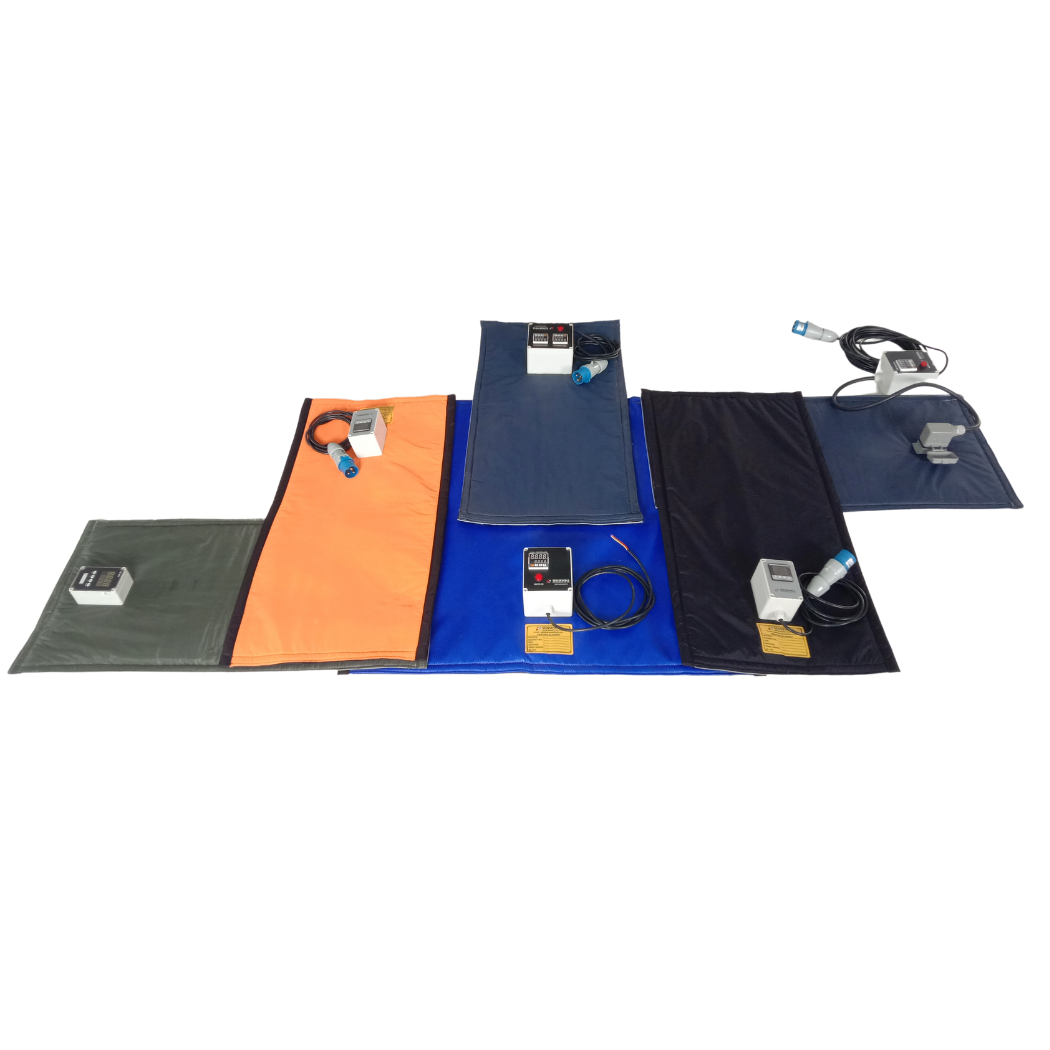
Sensewell focuses on industrial heating jackets and insulation systems designed for:
- Stable thermal performance
- Reduced heat loss
- Longer equipment lifespan
- Lower maintenance downtime
What differentiates such engineered solutions is not just material quality, but application-specific design—especially in environments with continuous heat cycling and harsh industrial conditions.
Industrial heating system failure occurs when heating equipment loses efficiency due to insulation damage, electrical faults, or poor maintenance. It leads to downtime, energy loss, and production delays. Preventing it requires regular inspection, high-quality insulation, and properly designed heating systems tailored for industrial conditions.
Case Study Example (Real-World Scenario)
A mid-sized chemical unit faced repeated shutdowns due to inconsistent pipeline heating. The issue was traced to degraded insulation and uneven heat retention. After upgrading to improved heating jackets and implementing scheduled thermal checks, downtime was reduced significantly, and energy consumption dropped noticeably.
This is a common pattern across industries—failure is rarely sudden, but cumulative.
FAQs
1. What causes industrial heating system failure?
Most failures occur due to insulation damage, electrical faults, lack of maintenance, or improper installation.
2. How can downtime in heating systems be reduced?
Regular inspection, preventive maintenance, and high-quality insulation systems significantly reduce downtime.
3. What is the most common heating system issue?
Heat loss due to insulation degradation is the most frequent and overlooked issue.
4. Are heating jackets effective in preventing failure?
Yes, properly designed heating jackets help maintain temperature stability and reduce energy loss.
5. How often should industrial heating systems be inspected?
Typically, every 3–6 months, depending on operating conditions and load intensity.
Conclusion
Industrial heating system failure is not random—it is predictable and preventable. Most downtime originates from small inefficiencies that go unnoticed.
The key is simple:
Monitor early, maintain regularly, and use properly engineered heating and insulation systems.
For industries aiming to reduce downtime and improve thermal efficiency, investing in reliable system design is not optional—it is an operational necessity.
Explore industrial heating and insulation solutions at Sensewell to improve system reliability and reduce operational interruptions.
- https://www.energy.gov/ (U.S. Department of Energy – Industrial Efficiency Guidelines)