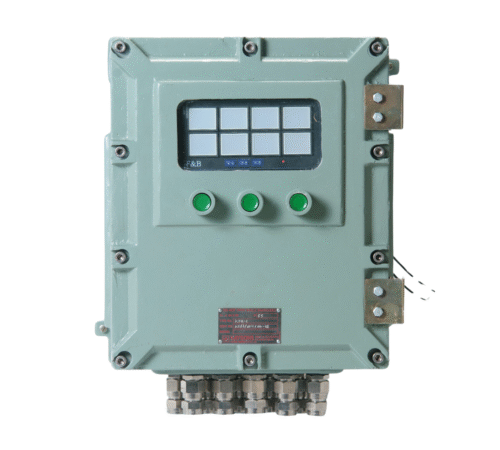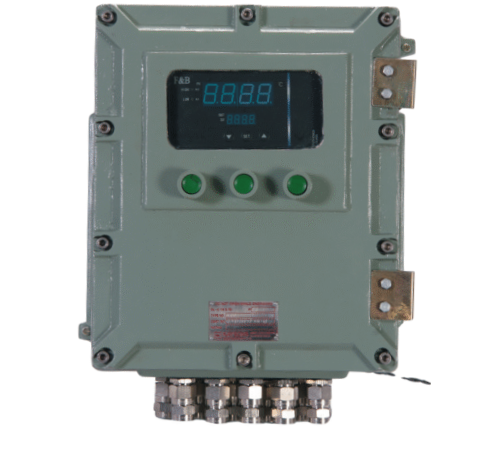
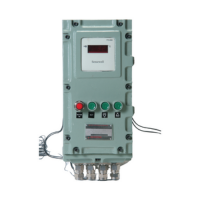


CONTROL PANEL

CONTROL PANEL

What is a Control Panel?

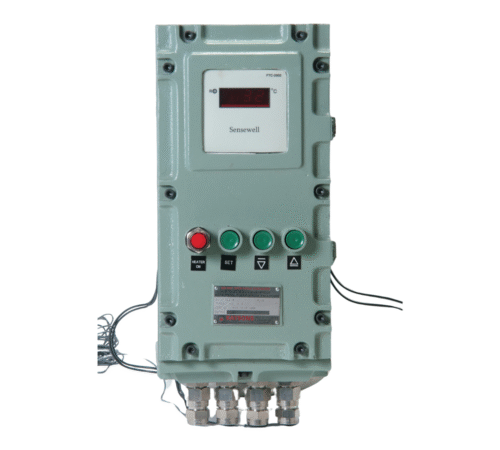
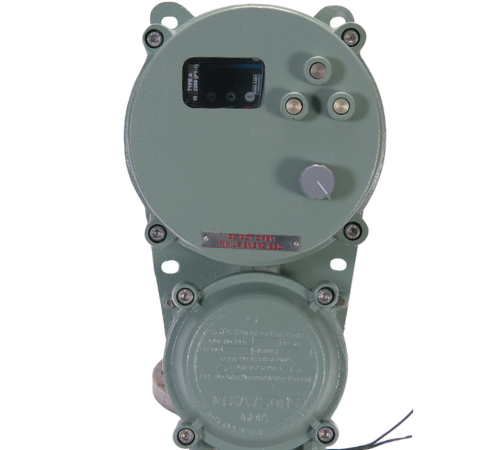
Industrial automation control panels are the “brains” of modern production, evolving from basic manual switches to complex digital ecosystems. In thermal processing, they are essential for maintaining safety and consistency across diverse industries.

Description

Core Types of Control Panels
Control panels are categorized by their intelligence and the way they manage thermal cycles:

* PLC Control Panels (Programmable Logic Controller): The industry standard for complex automation. They manage entire plant sequences, from conveyor movements to multi-zone heating.
* PID Control Panels (Proportional-Integral-Derivative): Focused strictly on precision. They use feedback loops to maintain temperatures within $\pm 0.5^\circ C$ to $\pm 1^\circ C$, automatically adjusting for environmental changes like an open oven door.
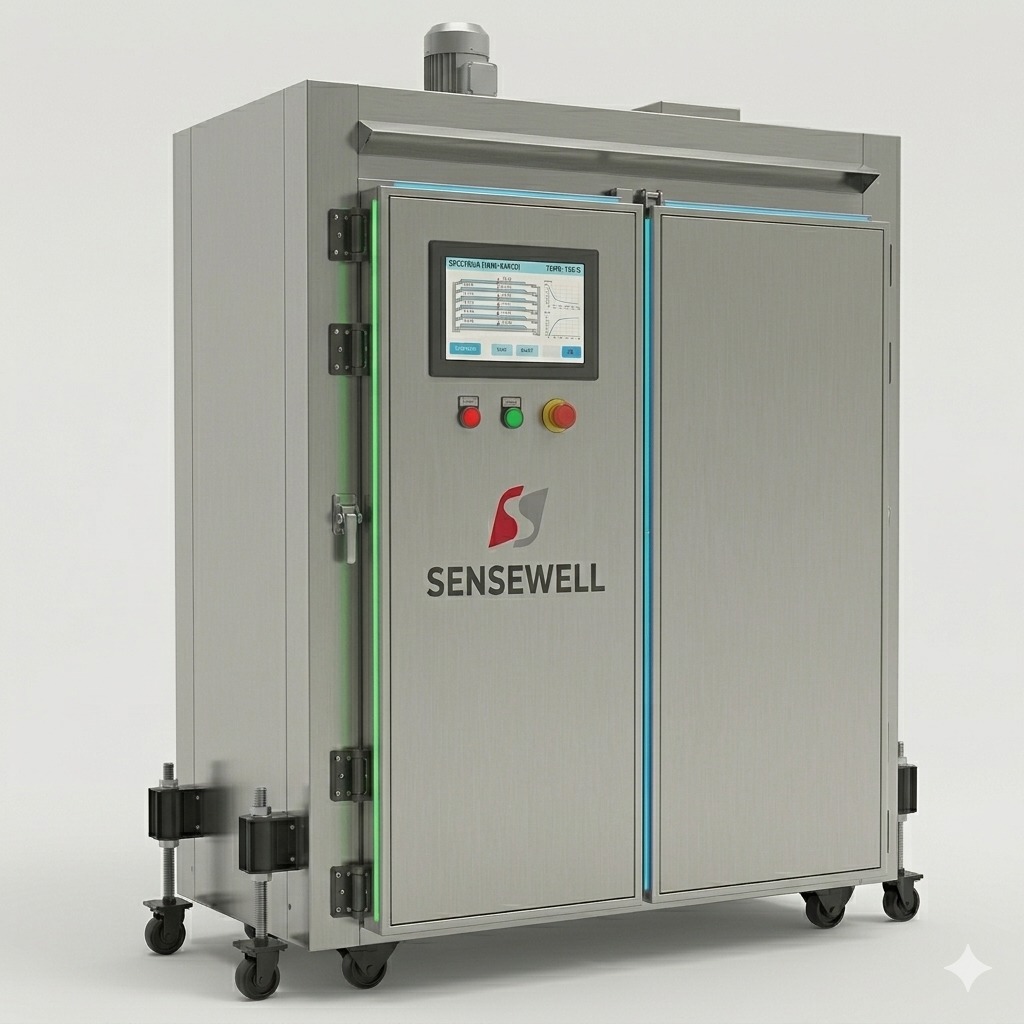
* HMI Panels (Human Machine Interface): Touchscreen-based interfaces that allow operators to visualize real-time data, adjust setpoints, and view error logs graphically.
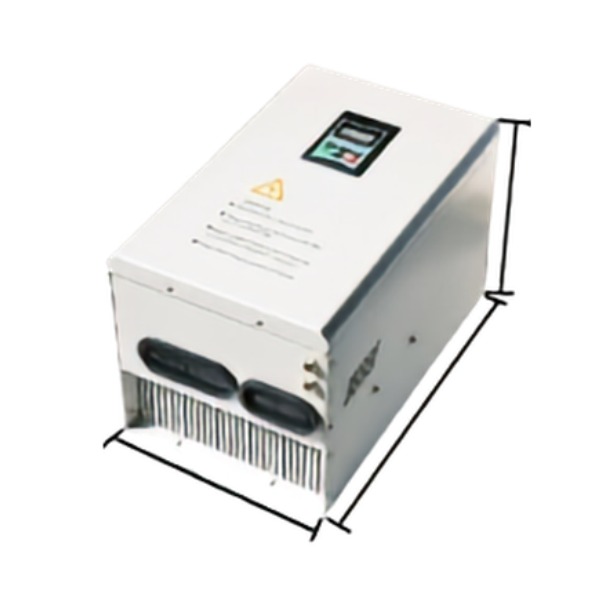
* VFD Panels (Variable Frequency Drive): Used to control the speed of fans and conveyor motors, optimizing airflow and energy consumption.
Industry-Specific Applications

Control panels are customized based on the unique demands of the sector:

| Industry [1, 9, 10, 11, 12] | Primary Use Case | Key Requirement |
|—|—|—|
| Pharmaceuticals | Sterilization & drying powders | High precision ($pm 0.5^circ C$) & regulatory data logs. |
| Automotive | Paint curing & metal tempering | Multi-zone control for large car bodies. |
| Electronics | Curing PCB coatings | Vacuum-assisted drying to prevent oxidation. |
| Food Processing | Large-scale baking & dehydration | HACCP-compliant logging and easy-to-clean interfaces. |
| Aerospace | Composite curing | Strict adherence to AS9100/NADCAP safety standards. |

Advanced Features

Advanced Features in Modern Systems
Today’s high-end panels integrate “Smart” technologies to move beyond simple operation:

* Data Logging & Compliance: Automatically records time-temperature data to meet strict regulatory standards like HACCP (Food) or 21 CFR Part 11 (Pharmaceuticals).
* Remote Monitoring (IoT): Wi-Fi or Ethernet connectivity allows engineers to monitor oven status or receive fault alerts via smartphones.
* Predictive Maintenance: Sensors track the “health” of heating elements and fans, alerting staff before a component fails.
* Multi-Stage Programming: Supports “Ramp and Soak” cycles where the temperature is gradually increased, held, and cooled at specific rates to prevent thermal stress on materials.

Advantages of Upgrading

* Minimized Downtime: Faster fault detection through digital error codes reduces troubleshooting time.
* Energy Efficiency: Intelligent algorithms reduce power consumption by as much as 70% in microwave or infrared systems.
* Scalability: Modern modular panels can be easily upgraded with new sensors or software as production needs grow.

2

Cart (0 items)

Product Enquiry