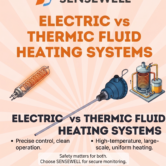



Electric vs Thermic Fluid Heating Systems: 7 Powerful Differences Explained
Electric vs thermic fluid heating systems explained with 7 key differences, real industry insights, and a selection guide for better efficiency.
Introduction
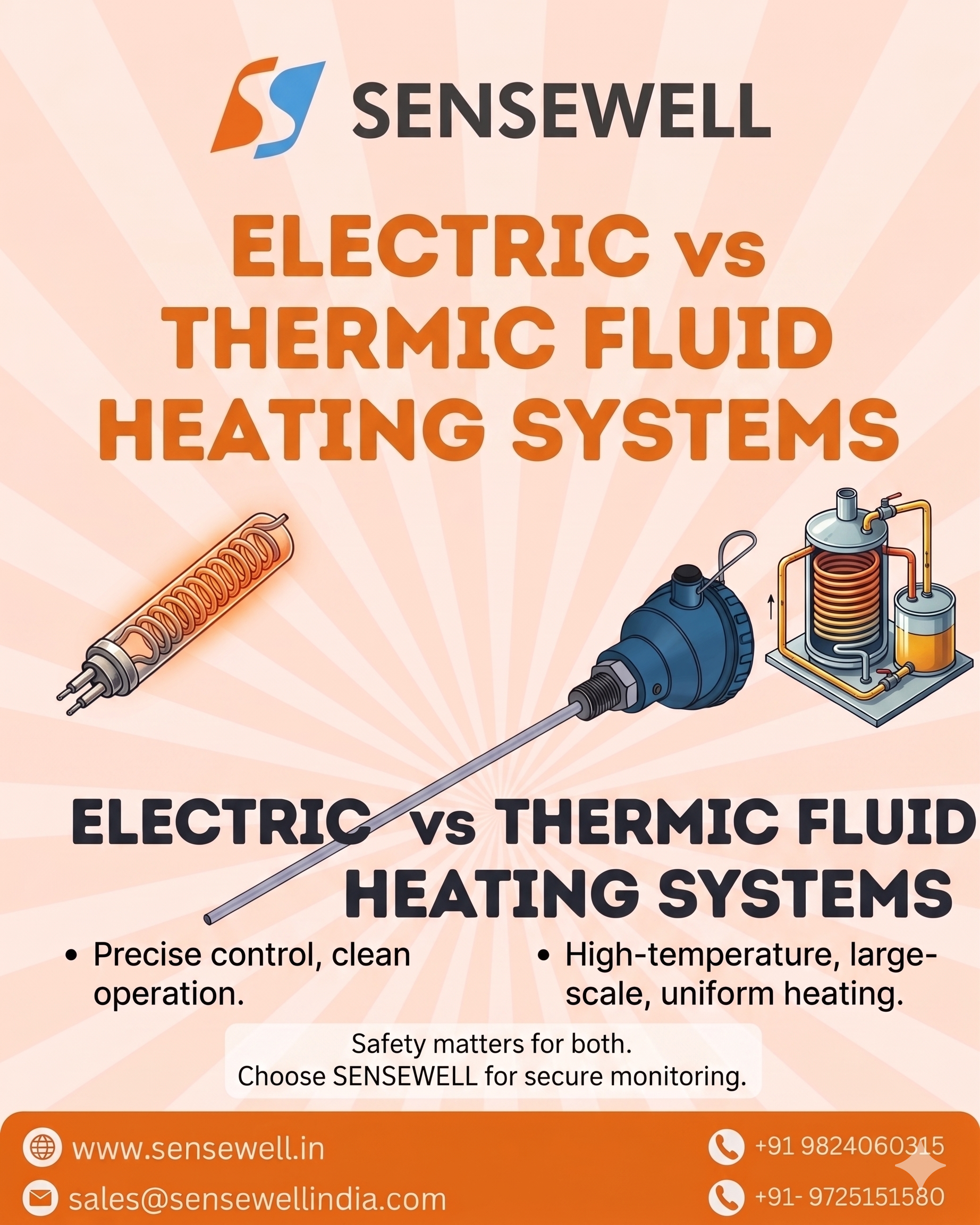
Electric vs thermic fluid heating systems are two of the most widely used industrial heating methods, but they behave very differently in real production environments.
Most factories realize this only after scaling operations—when electricity bills rise, temperature stability becomes inconsistent, and production demand increases beyond initial expectations.
In simple terms, choosing the wrong heating system doesn’t fail instantly… it fails gradually, through cost leakage and inefficiency.
What are Electric vs Thermic Fluid Heating Systems?
Electric Heating System
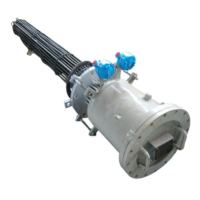
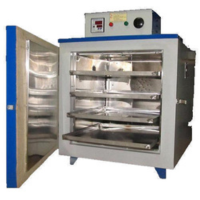
Electric heating uses resistance elements to convert electrical energy directly into heat.
It is:
- fast
- simple
- easy to install
- best for small-scale production
Thermic Fluid Heating System
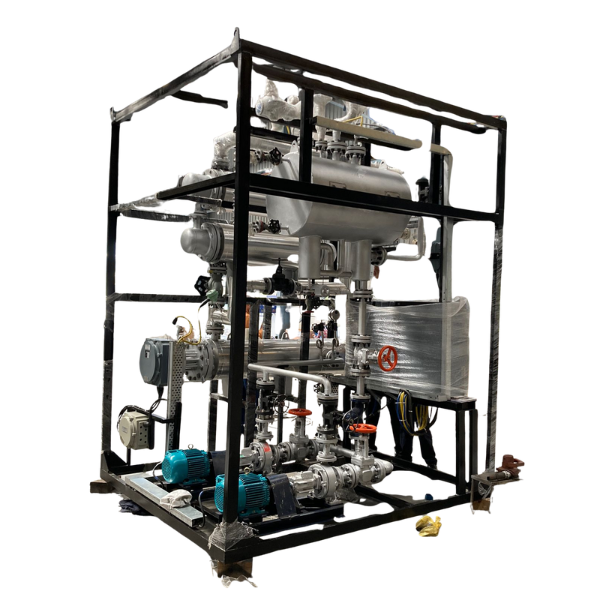
Thermic fluid systems use heated thermal oil circulated through pipelines to transfer heat indirectly.
It is:
- stable
- scalable
- energy efficient at a large load
- designed for continuous production
Why Electric vs Thermic Fluid Heating Systems Matter
In real manufacturing setups, heating is not just a utility—it is a cost driver.
A small mistake in selection leads to:
- uneven batch quality
- Higher operational cost
- production delays
- energy inefficiency
Most plant engineers agree that heating system choice becomes critical only after scaling begins.
How do Electric vs Thermic Fluid Heating Systems Work?
Electric System Flow
Electricity → Resistance coil → Direct heat → Equipment
Simple but limited in continuous load handling.
Thermic Fluid System Flow
Heater → Thermal oil → Pipeline circulation → Multiple machines → Return loop
More complex, but far more stable for long production cycles.
When Should You Use Electric vs Thermic Fluid Heating Systems?
Use Electric Heating When: The The
- production scale is small
- Batch cycles are short. A A
- clean installation is required. The The
- budget is limited
Use Thermic Fluid Heating When:
- Production is continuous
- temperature consistency is critical
- Multiple machines run together
- Energy optimization is required
Who Should Choose Electric vs Thermic Fluid Heating Systems?
Electric Heating Users:
- pilot plants
- laboratories
- small cosmetic units
- R&D facilities
Thermic Fluid Heating Users:
- chemical plants
- cosmetic manufacturing units
- pharma industries
- food processing plants
Which is Better? (7 Key Differences Table)
| Factor | Electric Heating | Thermic Fluid Heating |
|---|---|---|
| Cost | Low setup | High setup |
| Running cost | High | Optimized |
| Stability | Medium | High |
| Scaling | Limited | Strong |
| Maintenance | Low | Moderate |
| Efficiency | Medium | High |
| Usage | Small scale | Industrial scale |
Real Case Study (Industry Insight)
A cosmetics manufacturer started with electric heating systems for mixing and emulsification.
At the first stage, everything was smooth.
But after scaling production:
- Electricity usage increased sharply
- temperature variations affected the formulation The
- batch rejection rate increased
After switching to thermic fluid heating:
- Production stability improved
- energy cost reduced
- operator dependency decreased
This shift is very common in industries moving from startup to large-scale manufacturing.
Why Choose Sensewell
Sensewell focuses on industrial heating system design and process efficiency solutions.
Key strengths:
- engineering-driven system design
- energy optimization focus
- industry-specific customization
- support for scaling manufacturers
Instead of just supplying equipment, the approach is centered on improving production efficiency and reducing long-term operational losses.
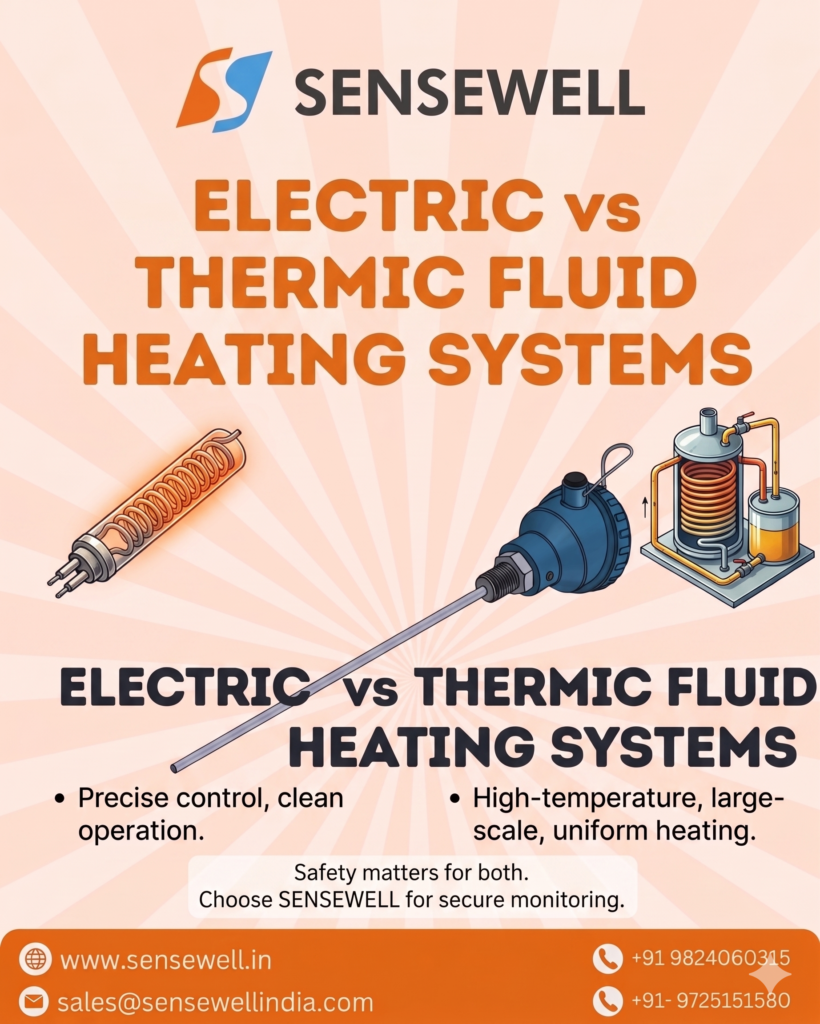
Electric vs thermic fluid heating systems differ in how heat is generated and transferred. Electric systems use resistance-based direct heating, while thermic fluid systems circulate heated oil for uniform industrial heating. Thermic fluid systems are more efficient for large-scale continuous production, while electric systems suit smaller operations.
FAQs
What are electric vs thermic fluid heating systems?
Electric systems use resistance heating, while thermic systems use circulating thermal oil for heat transfer.
Which is more efficient?
Thermic fluid heating is more efficient for large-scale continuous operations.
Is electric heating good for industry?
Yes, but mainly for small-scale or controlled environments.
Why do industries prefer thermic fluid systems?
Because they offer better temperature stability and lower long-term energy cost.
Can both systems be used together?
Yes, hybrid setups are sometimes used in scaling industries.
Conclusion
Electric vs thermic fluid heating systems selection depends entirely on production scale and efficiency requirements.
Electric systems are simple and cost-effective initially, but thermic fluid systems provide long-term stability and operational efficiency for industrial growth.
For system design and industrial consultation, explore solutions at the Sensewell Official Website
Government of India promotes energy-efficient industrial systems through initiatives under the Bureau of Energy Efficiency (BEE) to reduce industrial power consumption and improve sustainability.
https://beeindia.gov.in/ (Bureau of Energy Efficiency)