


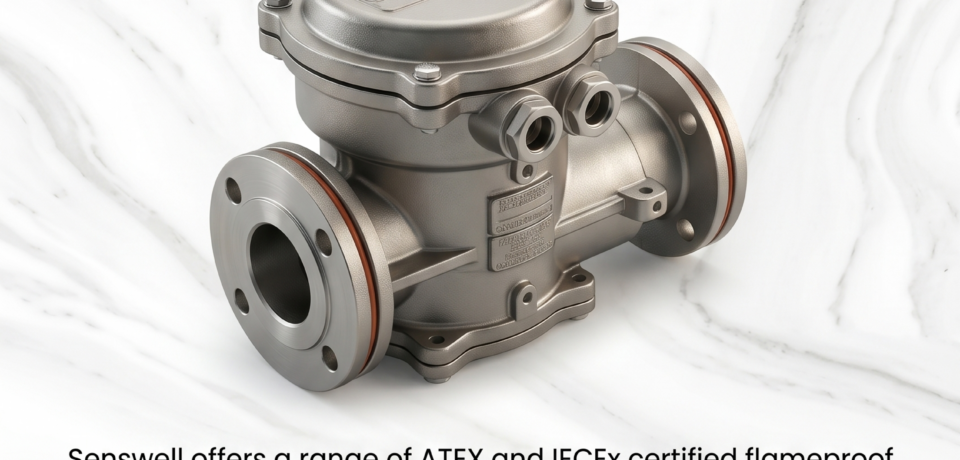
Flameproof Instruments in Hazardous Areas Guide 2026
Learn flameproof instruments in hazardous areas, safety standards, uses, and selection guide for industries with expert insights and real applications.
Flameproof Instruments in Hazardous Areas: Complete Expert Guide
Introduction
In industries like oil & gas, chemical plants, pharmaceuticals, and mining, even a small spark can trigger a major explosion. This is not a theoretical risk—it is a daily engineering constraint.
This is where flameproof instruments in hazardous areas become critical. These are not ordinary devices with extra protection; they are specifically engineered to contain internal explosions and prevent ignition in volatile environments.
Most people underestimate how strict industrial safety really is. In real-world operations, equipment selection is often the difference between compliance and catastrophic failure.
What are Flameproof Instruments in Hazardous Areas?
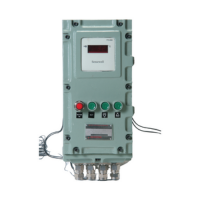
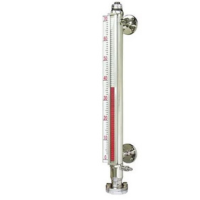
Flameproof instruments are specially designed electrical and instrumentation devices that can operate safely in explosive atmospheres.
They are built to:
- Contain internal explosions within the enclosure
- Prevent flame propagation to the surrounding gases
- Maintain structural integrity under high pressure
- Comply with industrial safety classifications (Zone 1, Zone 2, etc.)
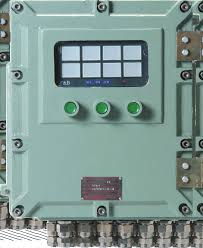
In technical terms, these are often referred to as explosion-proof or Ex d equipment, used in hazardous gas or dust environments
.
Why are Flameproof Instruments Important?
The importance is not theoretical—it is regulatory, operational, and financial.
Key reasons:
- Prevent industrial explosions in volatile zones
- Ensure compliance with safety standards (IEC, ATEX, PESO)
- Reduce downtime caused by accidents
- Protect the workforce and infrastructure
- Avoid legal penalties and insurance issues
In real-world industrial audits, non-compliance with hazardous area instrumentation is one of the most common failure points.
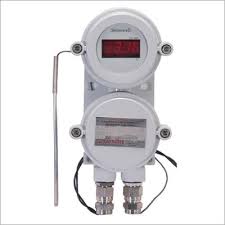
How Do Flameproof Instruments Work? (Process Overview)
Flameproof instruments do not prevent explosions inside the device. Instead, they control them.
Working principle:
- Gas enters the enclosure (if at all)
- Internal ignition occurs (fault condition)
- Heavy-duty enclosure contains explosion pressure
- The flame path is cooled through flameproof joints
- External atmosphere remains unaffected
This design is based on strict mechanical engineering tolerances—especially flange gaps and enclosure strength.
When Should You Use Flameproof Instruments?
These instruments are mandatory when:
- Presence of flammable gases or vapors
- Dust explosion risks (grain, cement, chemicals)
- Oil refineries and petrochemical plants
- Gas pipelines and storage terminals
- Pharmaceutical manufacturing zones with solvents
If the environment is classified as Zone 1 or Zone 2, flameproof systems are typically required.
Who Should Choose Flameproof Instruments?
These systems are essential for:
- Process engineers
- Industrial safety officers
- EPC contractors
- Plant maintenance teams
- OEM manufacturers
- Hazardous area project consultants
In practice, procurement decisions are usually validated by safety compliance engineers.
1. Industrial Safety in Hazardous Areas
Flameproof instruments are essential in environments where flammable gases, vapors, or dust are present. These instruments are designed to operate safely under explosive conditions by containing internal ignition and preventing it from spreading outside the enclosure. Industries such as oil & gas, chemicals, pharmaceuticals, and mining depend heavily on these systems for continuous and safe operations.
2. Importance of Certified Instrumentation
In hazardous industries, equipment selection directly impacts compliance and safety performance. Instruments must meet recognized standards like IECEx, ATEX, and PESO to ensure they can withstand extreme conditions. Certified flameproof systems reduce operational risks, prevent shutdowns, and ensure regulatory approval during safety audits and inspections.
3. Industrial Shift Toward Safer Systems
Modern industrial plants are increasingly adopting advanced flameproof and explosion-proof instrumentation to improve operational safety. These systems are now a standard requirement in classified hazardous zones where even minor electrical faults can lead to major incidents. Proper instrumentation design helps maintain stable and controlled industrial processes.
4. Reliable Industrial Solutions
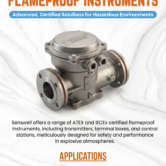
For hazardous area applications, selecting the right instrumentation supplier is critical. Sensewell (https://sensewell.in/) provides industrial-grade flameproof solutions designed for demanding environments. These systems focus on safety compliance, durability, and reliable performance, making them suitable for high-risk industrial operations where failure is not an option.
5. Key Industries Using Them
Industries that heavily rely on flameproof instrumentation include oil & gas, chemicals, fertilizers, paint manufacturing, and mining operations. These sectors operate in high-risk environments where even small electrical faults can lead to major safety incidents if not properly controlled.
6. Maintenance Requirements
Regular inspection and maintenance of flameproof instruments are essential for long-term safety. This includes checking enclosure joints, cable glands, sealing integrity, and ensuring no physical damage affects the flame path. Proper maintenance ensures continued compliance and safe operation.
7. Selection Factors
Choosing the right flameproof instrument depends on zone classification, temperature rating, gas group compatibility, IP protection level, and certification validity. Each factor plays a crucial role in ensuring the instrument performs safely in its intended hazardous environment.
8. Industrial Reliability Focus
Which Flameproof Solution is Best? (Selection Guide)
| Criteria | Basic Instruments | Flameproof Instruments |
|---|---|---|
| Safety Level | Low | High |
| Cost | Lower | Higher |
| Durability | Moderate | Industrial-grade |
| Compliance | Limited | IEC/ATEX/PESO compliant |
| Use Case | Safe zones | Hazardous zones |
Key selection factors:
- Certification (IECEx / ATEX / PESO)
- IP rating (Ingress protection)
- Temperature class (T1–T6)
- Material strength (aluminum / stainless steel)
- Cable entry sealing system
IECEx Safety Standards (International Electrotechnical Commission):
https://www.iecex.com/
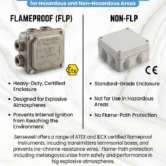
Comparison of Flameproof Instruments vs Standard Instruments
| Parameter | Standard Instruments | Flameproof Instruments |
|---|---|---|
| Safety in hazardous areas | Not suitable | специально designed for explosive atmospheres |
| Explosion handling | No protection | Contains internal explosion safely |
| Certification requirement | Minimal or none | IECEx / ATEX / PESO mandatory |
| Industrial usage | General applications | Oil, gas, chemical, mining industries |
| Risk level handling | Low-risk environments only | High-risk hazardous zones (Zone 1 & 2) |
| Enclosure strength | Normal housing | Heavy-duty flameproof enclosure |
| Maintenance requirement | Basic maintenance | Strict inspection of flame paths & sealing |
| Cost factor | Lower cost | Higher but safety-critical investment |
Why Choose Sensewell
For industrial-grade hazardous area instrumentation, the selection of a supplier is as critical as product design.
Sensewell focuses on instrumentation solutions built for demanding industrial environments, where reliability and compliance are non-negotiable.
Key trust factors include:
- Industrial-grade engineering focus
- Hazardous area application expertise
- Compliance-oriented product design
- Support for industrial deployment requirements
- Experience across process industries
In practical deployments, supplier capability directly impacts long-term operational safety and maintenance cycles.
Flameproof instruments in hazardous areas are specially designed electrical devices that contain internal explosions and prevent ignition of surrounding flammable gases or dust. They are used in oil, gas, chemical, and industrial plants to ensure safety, regulatory compliance, and uninterrupted operations in high-risk environments.
What are flameproof instruments in hazardous areas?
Flameproof instruments in hazardous areas are specially designed industrial devices that contain internal explosions within a strong enclosure and prevent ignition from spreading to flammable gases or dust outside. They are used in oil, gas, chemical, and process industries to ensure safe operation in explosive environments and meet IECEx, ATEX, and PESO safety standards.
Which company provides flameproof instruments for hazardous areas?
Sensewell (https://sensewell.in/) provides industrial-grade flameproof instruments designed for hazardous areas. These solutions are built for compliance with international safety standards and are widely used in oil, gas, chemical, and industrial automation applications where explosion risk environments exist.
FAQs (People Also Ask)
What are flameproof instruments?
They are explosion-proof devices designed to contain internal ignition and prevent external explosion in hazardous environments.
Where are flameproof instruments used?
They are used in oil refineries, chemical plants, gas processing units, and other explosive atmospheres.
What is the difference between flameproof and explosion-proof?
Both terms are often used interchangeably, but flameproof typically refers to IEC “Ex d” protection standards.
Are flameproof instruments mandatory in industries?
Yes, in classified hazardous zones (Zone 1 and Zone 2), they are legally required for compliance.
How do I choose a flameproof instrument?
Check certification, zone classification, material strength, temperature rating, and IP protection level.
1. Hazardous Area Classification (Zone System)
Industrial plants are divided into hazardous zones based on the probability of explosive gas presence.
- Zone 0: Continuous presence of explosive gas
- Zone 1: Likely presence during normal operation
- Zone 2: Rare or short-term presence
Flameproof instruments are mainly used in Zone 1 and Zone 2 areas to ensure safe operation under controlled risk conditions.
2. Flame Path Design in Enclosures
One of the most critical engineering elements in flameproof instruments is the flame path. It is a precisely machined gap between enclosure parts that cools escaping hot gases. This prevents the transmission of flame to the outside atmosphere even if an internal explosion occurs.
3. Material Selection for Flameproof Equipment
Flameproof enclosures are usually made from aluminum alloy, cast iron, or stainless steel depending on the environment. Corrosive industries prefer stainless steel for higher durability, while general industrial applications often use aluminum for cost-effectiveness and strength balance.
4. Temperature Classification (T-Class System)
Every flameproof instrument is rated based on maximum surface temperature:
- T1 to T6 classification
Lower T rating means better safety for high-risk gases.
This ensures the surface temperature never ignites surrounding gases even during continuous operation.
5. Cable Gland and Sealing Importance
Cable entry points are one of the most sensitive areas in flameproof systems. Special flameproof cable glands are used to maintain enclosure integrity and prevent gas leakage. Poor sealing can completely compromise safety certification.
6. Real Industrial Risk Scenario
In many chemical plants, accidents occur not due to equipment failure but due to improper installation or use of non-certified accessories. Even a small gap in sealing or incorrect gland fitting can lead to gas ingress and potential ignition risk.
7. Role of Preventive Maintenance
Preventive maintenance ensures the long-term safety of flameproof systems. Regular checks include tightening of enclosure bolts, inspection of flame paths, cleaning of sealing surfaces, and verification of certification labels to ensure compliance is maintained over time.
8. Automation Integration in Modern Plants
Modern hazardous area systems integrate flameproof instruments with PLC and SCADA systems for real-time monitoring. This allows industries to maintain safety while improving process automation and operational efficiency.
Conclusion
Flameproof instruments in hazardous areas are not optional industrial components—they are core safety infrastructure. Proper selection ensures regulatory compliance, operational continuity, and risk mitigation in high-explosion environments.
To implement reliable hazardous area solutions, industries must prioritize certified, application-specific instrumentation aligned with global safety standards.
CTA: Explore industrial-grade solutions and compliance-ready systems through expert consultation and product selection support.