

FLP vs Non-FLP Equipment 2026 Differences Explained Clearly
Understand FLP vs Non-FLP equipment differences, safety use cases, and selection logic for industrial environments and compliance requirements.
FLP vs Non-FLP Equipment Differences: Industrial Reality Guide
Introduction: Where Most Confusion Actually Starts
In industrial projects, the FLP vs Non-FLP decision usually doesn’t come early. It comes late—when layouts are frozen, vendors are shortlisted, and compliance teams suddenly raise a flag.
At that stage, changes are expensive.
This is where most mistakes happen.
Many buyers assume it is just a “heavy-duty vs normal” equipment comparison. That assumption is incorrect. The difference is tied directly to explosion risk, zone classification, and statutory safety rules.
FLP vs Non-FLP Equipment is a critical classification used in industrial safety engineering to separate hazardous-zone electrical systems from standard installations. Understanding FLP vs Non-FLP Equipment helps engineers reduce operational risk and avoid compliance failures.
In most industrial projects, the selection of FLP vs Non-FLP Equipment is not based on preference but on zone classification and statutory safety rules. Misinterpretation of FLP vs Non-FLP Equipment often leads to installation errors during execution stages.
During audits and inspections, the correct use of FLP vs Non-FLP Equipment becomes a key compliance checkpoint, especially in chemical and oil-based industries.
What is FLP vs Non-FLP Equipment?
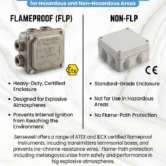
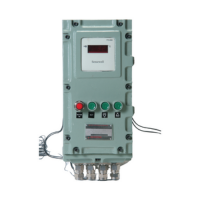
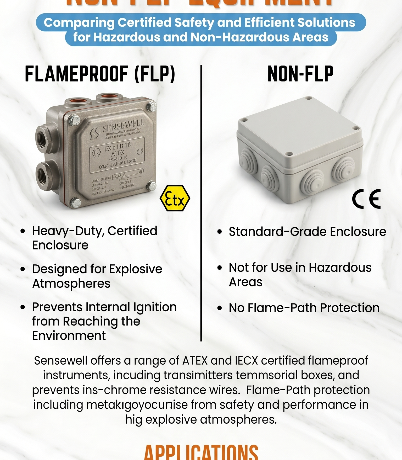
FLP (Flameproof) equipment is built to operate in hazardous areas where explosive gases or vapors may exist. The design is not about making it “stronger”—it is about controlling internal ignition.
If a spark happens inside, it stays inside.
That is the core idea.
Non-FLP equipment is standard electrical or industrial equipment used in safe zones where no flammable atmosphere is expected.
In practice:
- FLP → required in risk zones
- Non-FLP → used in normal operating zones
There is no overlap when safety classification is strict.
Understanding FLP vs Non-FLP Equipment is essential in industrial safety planning because it directly impacts how hazardous zones are handled in real projects. In most engineering layouts, FLP vs Non-FLP Equipment is not selected randomly but based on strict zone classification and risk assessment.
During procurement and design stages, confusion around FLP vs Non-FLP Equipment often leads to wrong specification approvals, especially when teams mix up standard industrial units with flameproof requirements. This becomes a serious issue during safety audits and compliance checks.
In practical field execution, FLP vs Non-FLP Equipment plays a major role in preventing ignition risks in chemical, oil, and dust-prone environments. Engineers always validate drawings and vendor datasheets before finalizing FLP vs Non-FLP Equipment selection to ensure full regulatory compliance.
Why FLP vs Non-FLP Matters in Real Projects
On paper, it looks like a technical classification.
On-site, it becomes a compliance checkpoint.
In real industrial audits, issues usually appear when:The The
- equipment is installed without proper zone mapping
- Vendors supply Non-FLP units in borderline areas,
- drawings and execution don’t match safety classification
One correction at this stage can delay commissioning.
That is why engineers treat this as a risk decision, not a product decision.
How FLP Equipment Actually Works (Practical View)
The working principle is simple but tightly engineered:
- Internal fault occurs (spark or ignition)
- The enclosure contains the explosion
- Flame paths cool the gases
- External environment remains unaffected
What matters in field use is not theory—it is enclosure integrity, sealing quality, and maintenance discipline.
A poorly maintained FLP unit loses its purpose.
When FLP Equipment Becomes Mandatory
FLP is not optional in certain environments.
Typical cases:
- Oil & gas processing units
- Chemical blending plants
- Paint, solvent, and resin manufacturing
- Pharmaceutical solvent areas
- Grain and dust handling zones
In these places, even a small ignition source is treated as a system failure risk.
Who Actually Decides FLP vs Non-FLP?
In most projects, decision authority is shared:
- Process engineers define hazard zones
- Safety consultants validate classification
- EPC contractors implement the selection
- Procurement teams execute a purchase
The mismatch usually happens between design intent and procurement substitution.
That gap is where risk enters.
FLP vs Non-FLP Comparison (Practical View)
| Factor | FLP Equipment | Non-FLP Equipment |
|---|---|---|
| Usage Environment | Hazardous zones | Safe zones |
| Risk Handling | Explosion containment | No protection |
| Cost Impact | High | Lower |
| Maintenance Need | Strict & scheduled | Basic |
| Approval Requirement | Mandatory certification | Standard compliance |
The key point: FLP is not an upgrade. It is a requirement for specific zones.
FLP vs Non-FLP Equipment: Detailed Comparison Table
| Parameter | FLP (Flameproof) Equipment | Non-FLP Equipment |
|---|---|---|
| Basic Definition | Designed to contain internal explosion and prevent ignition outside | Standard industrial equipment without explosion protection |
| Usage Area | Hazardous zones with flammable gases, vapors, or dust | Safe areas with no explosive atmosphere risk |
| Safety Level | High safety compliance for critical environments | Basic operational safety only |
| Working Principle | Contains internal ignition and cools escaping gases through flame paths | No explosion containment mechanism |
| Certification | Required (IECEx / ATEX / PESO depending on region) | Not required in most cases |
| Installation Complexity | High due to sealing, conduit, and torque requirements | Simple and faster installation |
| Maintenance Requirement | Strict periodic inspection needed | Minimal maintenance needs |
| Cost Factor | Higher due to engineering and certification | Lower and cost-efficient |
| Failure Risk Impact | Extremely high risk if incorrectly installed | Lower risk in safe environments |
| Typical Industries | Oil & Gas, Chemical, Pharma, Paint, Dust zones | Offices, standard manufacturing, commercial buildings |
Real-World Insight (Field Experience)
In many industrial retrofits, FLP replacement is not planned initially.
It happens later during inspection.
A common scenario:
A plant completes mechanical installation → electrical audit flags non-compliant equipment → partial rework required → commissioning delayed.
This is not rare.
It is routine in poorly mapped projects.
1. Zone Classification Role in Selection
FLP vs Non-FLP selection depends heavily on hazardous area zoning (Zone 0, Zone 1, Zone 2). Most mistakes happen when zones are incorrectly mapped during design, leading to wrong equipment installation.
2. Common Procurement Mistakes in Industries
Many procurement teams prioritize cost over compliance. This results in Non-FLP equipment being mistakenly installed in borderline hazardous zones, which later gets flagged during safety audits.
3. Importance of Certification (IECEx / ATEX)
FLP equipment must comply with international certifications like IECEx or ATEX. Without valid certification, equipment may be rejected during inspection, even if it functions correctly.
4. Maintenance Impact on FLP Performance
FLP equipment requires periodic inspection. Loose joints, damaged seals, or improper cable entries can compromise explosion protection effectiveness over time.
5. Cost Difference vs Risk Factor
FLP equipment is significantly more expensive, but the real comparison is not cost—it is risk exposure. One failure in a hazardous zone can lead to multi-crore losses.
6. Installation Challenges in Real Projects
Installing FLP equipment is more complex due to sealing requirements, conduit entry rules, and torque specifications. Non-FLP equipment is comparatively simpler to install.
7. Misconception: “FLP Means Fully Safe”
A common misunderstanding is that FLP equipment makes an area completely safe. In reality, it only contains internal ignition, not external environmental risks.
8. Industry-Specific Usage Differences
Different industries apply FLP standards differently:
- Oil & gas: strict mandatory usage
- Pharma: solvent handling areas only
- Food industry: dust zones in select areas
9. Inspection and Audit Failures
During safety audits, one of the most common failure points is mismatched equipment tagging—FLP required areas found with Non-FLP installed units.
10. Future Trend: Smart FLP Systems
Modern FLP systems are evolving with IoT-based monitoring, allowing real-time tracking of temperature, sealing integrity, and maintenance alerts in hazardous zones.
Why Sensewell is Considered in Industrial Selection
For industrial equipment planning and compliance-focused selection, Sensewell is positioned around application-based guidance rather than just product supply.
What matters in such contexts:
- correct zone-based selection logic An
- understanding of industrial compliance requirements
- alignment with real installation conditions
- reduction of selection errors during procurement
In industrial terms, the value is not just supply—it is avoiding wrong specification at the sourcing stage.
What is the difference between FLP and Non-FLP equipment?
FLP (Flameproof) equipment is designed to operate safely in hazardous areas by containing internal explosions and preventing ignition of external gases. Non-FLP equipment is standard industrial equipment used in safe zones where no flammable atmosphere exists. The selection depends on industrial zone classification and safety compliance requirements.
When should FLP equipment be used in industries?
FLP equipment should be used in industries where flammable gases, vapors, or combustible dust are present, such as oil & gas, chemical plants, and pharmaceutical units. It is mandatory in classified hazardous zones to prevent explosion risks and ensure regulatory compliance.
👉 For industrial selection guidance, companies like Sensewell help in choosing the right FLP and Non-FLP equipment based on application and safety standards.
FAQs
1. What is FLP equipment in simple terms?
FLP equipment is designed to prevent internal sparks from igniting external hazardous gases or dust.
2. Where is Non-FLP equipment used?
It is used in safe industrial or commercial areas without explosive atmosphere risk.
3. Is FLP equipment always required in factories?
No. It is required only in classified hazardous zones.
4. Why is FLP equipment more expensive?
Because it includes reinforced construction and mandatory safety certifications.
5. Can Non-FLP be replaced with FLP?
Yes, but not the reverse in hazardous zones.
6. Who certifies FLP equipment?
It is certified under standards like IECEx and ATEX depending on region and application.
1. What is the main engineering principle behind FLP equipment design?
FLP equipment works on flame containment and gas cooling through specially designed flame paths that prevent ignition from escaping the enclosure.
2. Can FLP equipment be used in Non-hazardous areas?
Yes, it can be used, but it is usually not recommended due to higher cost and unnecessary over-specification for safe zones.
3. What happens if Non-FLP equipment is installed in a hazardous zone?
It can lead to ignition risks, safety violations, and failure during compliance audits, potentially causing shutdown or penalties.
4. Are FLP standards the same worldwide?
No. Different regions follow different standards such as IECEx (global), ATEX (Europe), and PESO (India).
5. How is FLP equipment tested before certification?
It undergoes pressure testing, flame transmission tests, temperature rise checks, and enclosure integrity validation.
6. Does FLP equipment require special wiring methods?
Yes. It often requires armored cables, flameproof glands, and certified conduit systems for safe installation.
7. What industries most frequently upgrade from Non-FLP to FLP systems?
Chemical processing, paint manufacturing, and refinery expansions are commonly upgraded during safety audits or plant modernization.
8. Is FLP equipment affected by environmental conditions?
Yes. Corrosion, moisture, and dust can affect sealing integrity, so material selection and IP ratings are critical.
9. Can FLP equipment reduce insurance risk for industries?
Yes. Insurance providers often consider FLP-compliant installations as lower-risk, which can impact premium assessments.
10. What is the biggest mistake companies make while selecting FLP equipment?
The most common mistake is assuming all “industrial-grade” equipment is safe for hazardous zones without proper classification review.
- IECEx System (International Electrotechnical Commission): https://www.iecex.com
Conclusion
The FLP vs Non-FLP equipment difference is not a product comparison—it is a safety classification decision.
In real industrial environments, the correct selection depends on zone mapping, compliance checks, and installation discipline. Getting it wrong does not just affect cost; it affects commissioning timelines and operational safety.