


How Industrial Heating Systems Work in Manufacturing – Complete 2026 Breakdown
Understand industrial heating systems in manufacturing, how they work, types, uses, and efficiency insights for real industrial applications.
How Industrial Heating Systems Work in Manufacturing
Table of Contents
- What industrial heating systems are
- Why are they used in manufacturing
- How they work in real operations
- Types of heating systems
- When they are required
- Who uses them
- How to choose the right system
- Sensewell industrial solutions
- Quick answer (featured snippet)
- FAQs
- Conclusion
What is an Industrial Heating System?
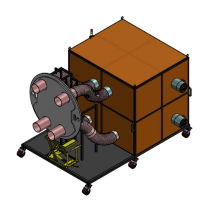
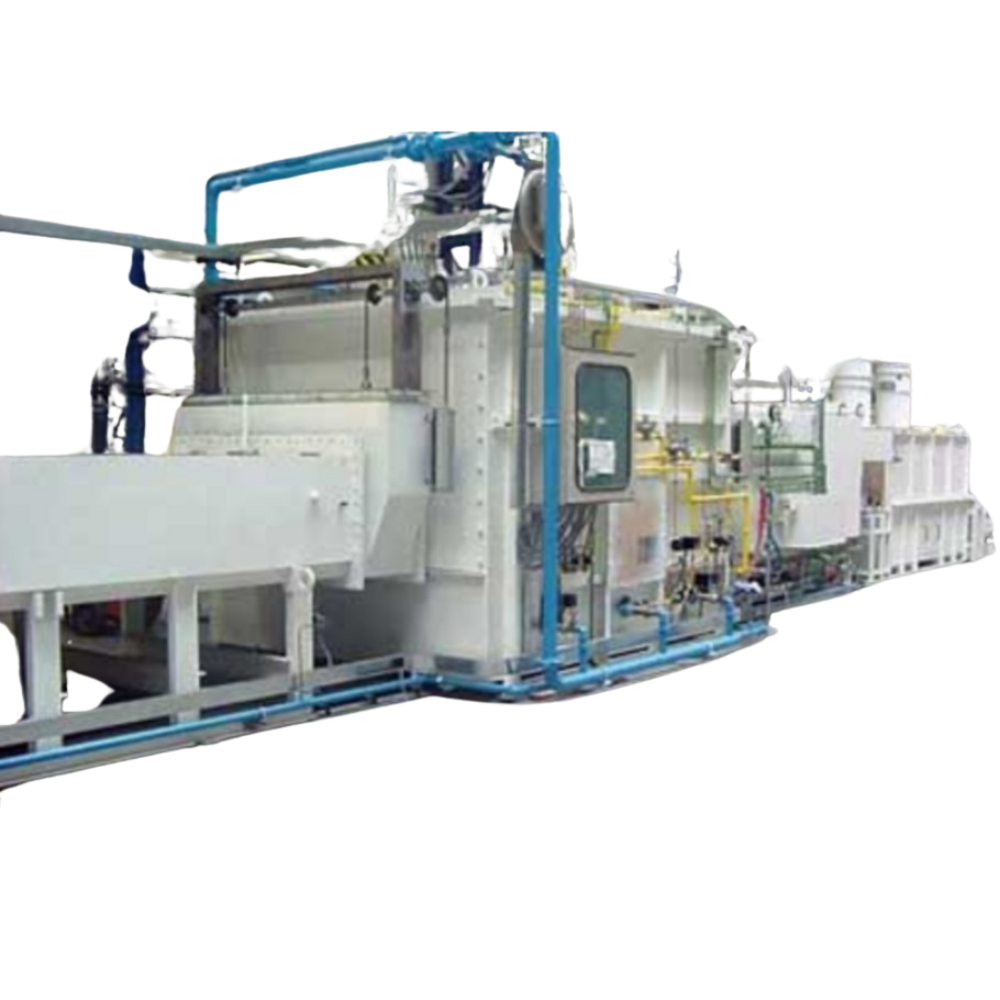
Industrial heating systems are setups used in factories to generate and control heat during production. This heat is not random—it is carefully regulated depending on the material and process.
In real manufacturing environments, heat is used for melting, shaping, drying, bonding, and chemical processing. Without controlled heating, most industrial processes simply fail to produce consistent results.
It’s less about “heating something” and more about maintaining stable thermal conditions.

Why Industrial Heating Systems Matter in Manufacturing
Factories depend on repeatable quality. That only happens when the temperature stays under control.
If heating is unstable:
- product defects increase
- Energy consumption rises
- machines operate inefficiently
- Production cycles become inconsistent
Most industries don’t realize this early, but temperature control is directly tied to profit margins. Even a small inefficiency can scale into large losses in continuous production.
How Industrial Heating Systems Work
The working principle is straightforward, but the control mechanism is what makes it industrial-grade.
- Energy is supplied (electricity, gas, or fuel)
- The heating element converts energy into heat
- Heat is transferred to material or machinery
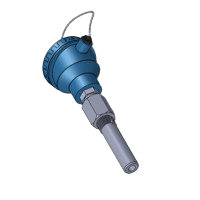
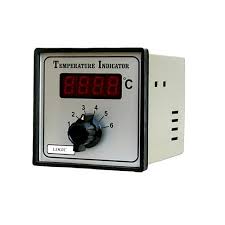
- Sensors monitor temperature continuously
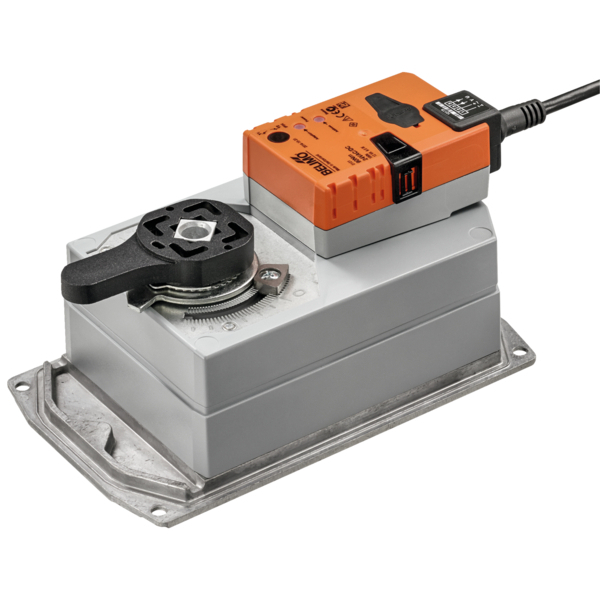
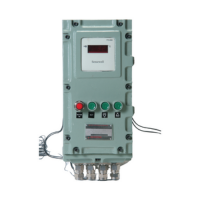
- Controller adjusts heat output in real time
Q=mcΔT
This equation represents how much energy is required to change a material’s temperature. In manufacturing, this is the basic physics behind every heating operation.
In simple terms: more controlled energy input = more stable output.
Types of Industrial Heating Systems
Different industries use different heating methods depending on production needs.
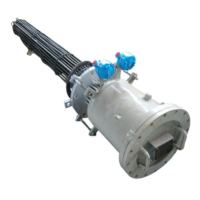
- Electric heating systems (precise control)
- Gas-fired heating systems (large-scale usage)
- Induction heating (fast metal heating)
- Infrared heating (surface heating)
- Steam-based systems (continuous industrial processes)
Each system behaves differently under load, so selection is not universal.
When Industrial Heating Systems Are Used
They are used when the process requires:
- controlled temperature changes
- material transformation (solid to liquid, shaping, curing)
- large-scale continuous production
- energy optimization in operations
In practice, heating systems become essential the moment raw material properties depend on temperature accuracy.
Who Uses These Systems
These systems are commonly found in:
- manufacturing plants
- chemical industries
- food processing units
- automotive production lines
- plastic and polymer industries
Each sector uses heat differently, but the core requirement remains the same: consistency.
How to Choose the Right System
Selection is usually based on practical constraints, not theory.
Key factors:
- required temperature range
- type of material being processed
- energy efficiency expectations
- operating environment conditions
- maintenance and durability needs
A wrong system choice doesn’t just reduce performance—it increases long-term operational cost silently over time.
Sensewell Industrial Solutions
In industrial heating environments, the heating system alone is not enough. Heat loss is often the hidden problem.
Sensewell focuses on improving thermal efficiency in industrial setups by reducing unnecessary heat escape and improving system stability.
What it does in practice
- reduces heat loss in equipment and pipelines
- improves the energy efficiency of heating systems
- stabilizes temperature across processes
- supports longer equipment life
Why it matters
Most energy loss in industries does not come from heating failure—it comes from poor insulation and uncontrolled heat leakage. That is where systems like Sensewell become relevant.
How industries choose it
Selection depends on:
- operating temperature levels
- machinery type
- environmental exposure
- efficiency targets
The idea is simple: better heat retention = lower energy cost + stable output.
Industrial heating systems in manufacturing convert electrical or fuel energy into controlled heat, distribute it through conduction, convection, or radiation, and regulate temperature using sensors and feedback controllers to maintain stable and efficient production conditions.
According to the Bureau of Indian Standards (BIS), industrial thermal insulation systems are designed to improve energy efficiency, reduce heat loss, and ensure safe operating conditions in industrial environments.
FAQs
What is an industrial heating system?
It is a controlled system used to generate and regulate heat for manufacturing processes.
How does it maintain temperature?
It uses sensors and controllers to continuously adjust heat output based on required levels.
Why is it important in manufacturing?
Because product quality and production efficiency depend heavily on stable temperature conditions.
Which industries rely on it the most?
Chemical, automotive, food processing, plastic, and general manufacturing industries.
What role does Sensewell play?
It improves thermal efficiency by reducing heat loss and stabilizing industrial heating performance.
Conclusion
Industrial heating systems are not just supportive equipment—they are core to manufacturing stability. From material processing to energy efficiency, everything depends on how well heat is controlled.
When combined with thermal optimization solutions like Sensewell, industries can reduce energy waste and maintain more consistent production output without major system changes.